

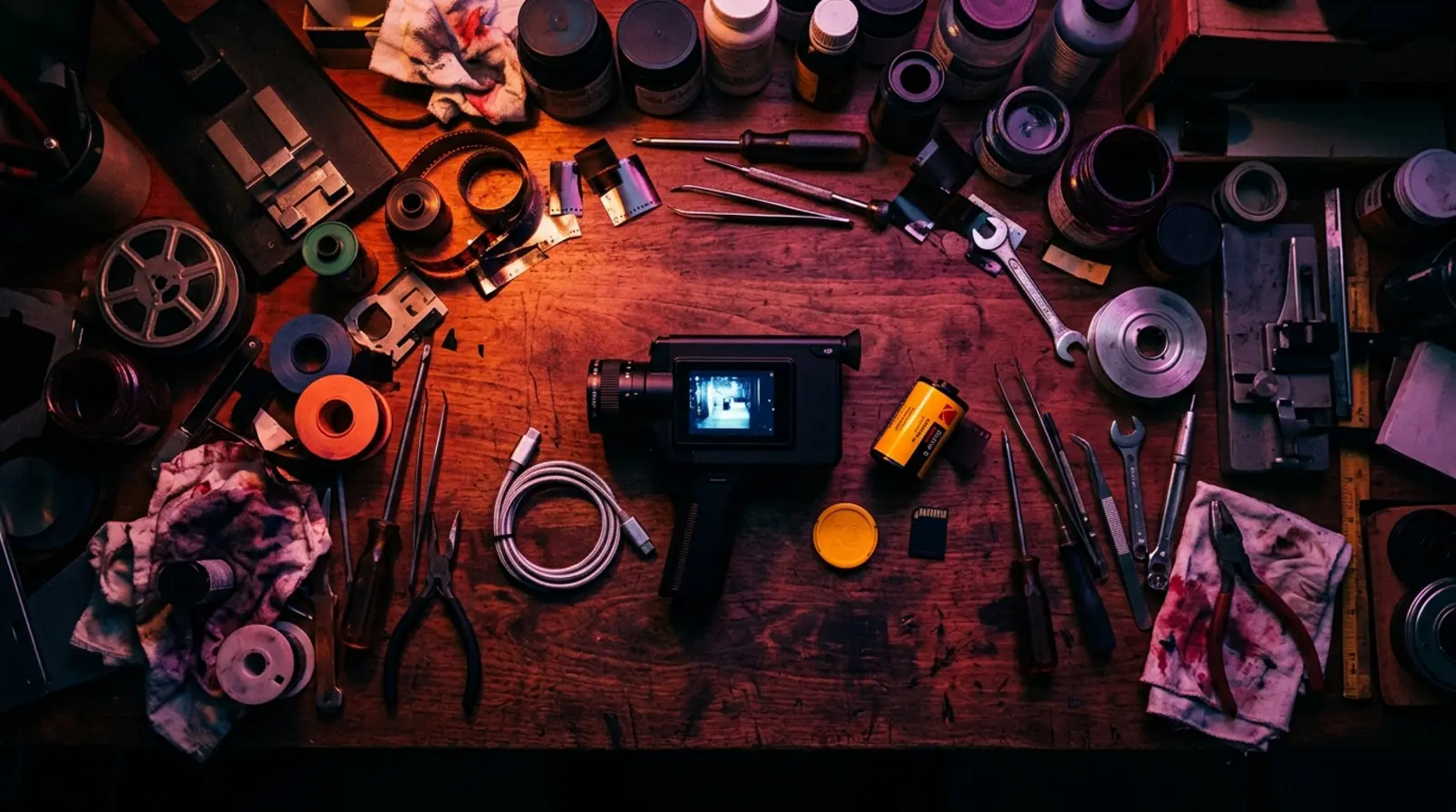

Kodak’s revived Super 8 camera reached the market in late 2023 at $5,495, nearly eight years after appearing as a much cheaper CES concept. The price jump is the obvious story. The stranger one is what survived the redesign. The image is still exposed on film, while framing, metering, audio recording and much of the camera interface are electronic. The resulting machine does not recreate the old Super 8 workflow. It isolates film exposure as the analog core and modernizes around it.
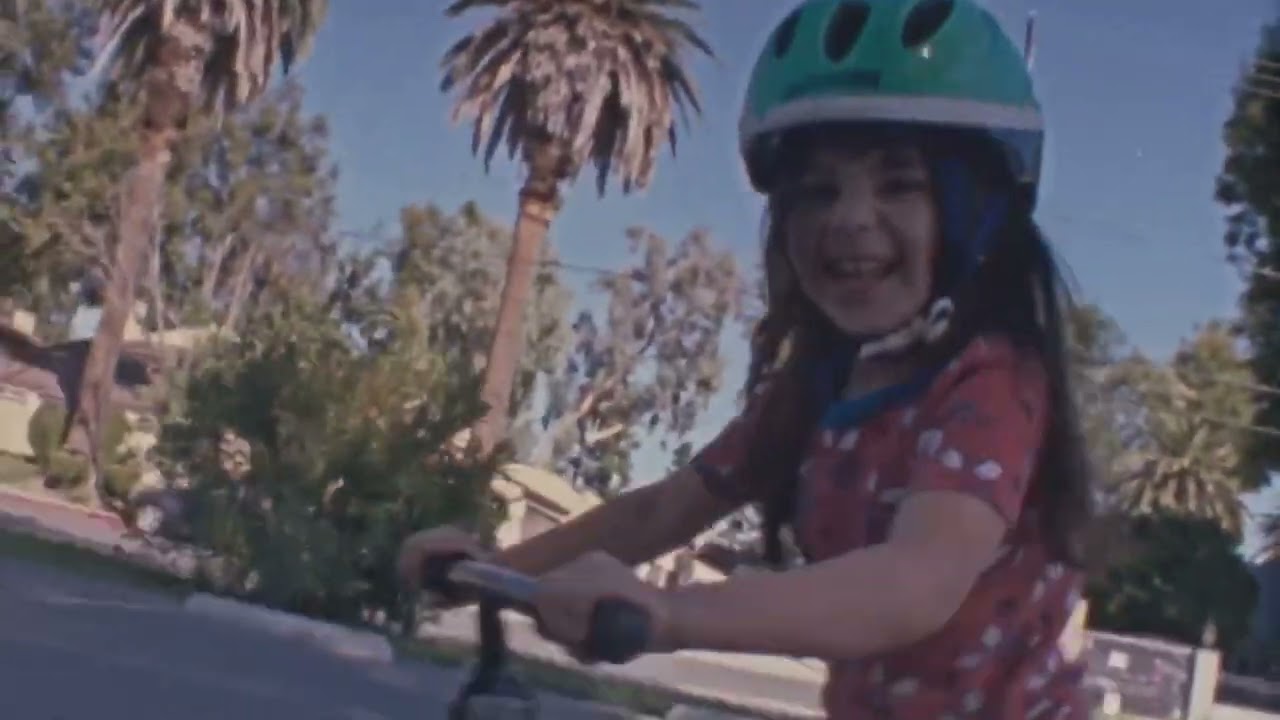
The Kodak Super 8 Camera Started as a Cheaper Idea
Kodak showed its prototype at CES in January 2016 with a projected price of $400 to $750 and an expected fall 2016 release. The production camera eventually arrived at $5,495, roughly seven to fourteen times that early estimate.
The delay was not simply seven years of silence. Kodak told New Atlas that the announcement produced more interest than expected, forcing the company to seek development and manufacturing partners capable of scaling the camera. The pandemic then paused the program, and Kodak said it ultimately brought manufacturing in-house.
That history makes the finished camera an odd artifact of the revival economy. It began as an attempt to make Super 8 newly approachable and emerged as a specialized $5,495 machine built around a format originally famous for making home movies easier.
What the Super 8 Camera Keeps on Film and What It Hands to Digital
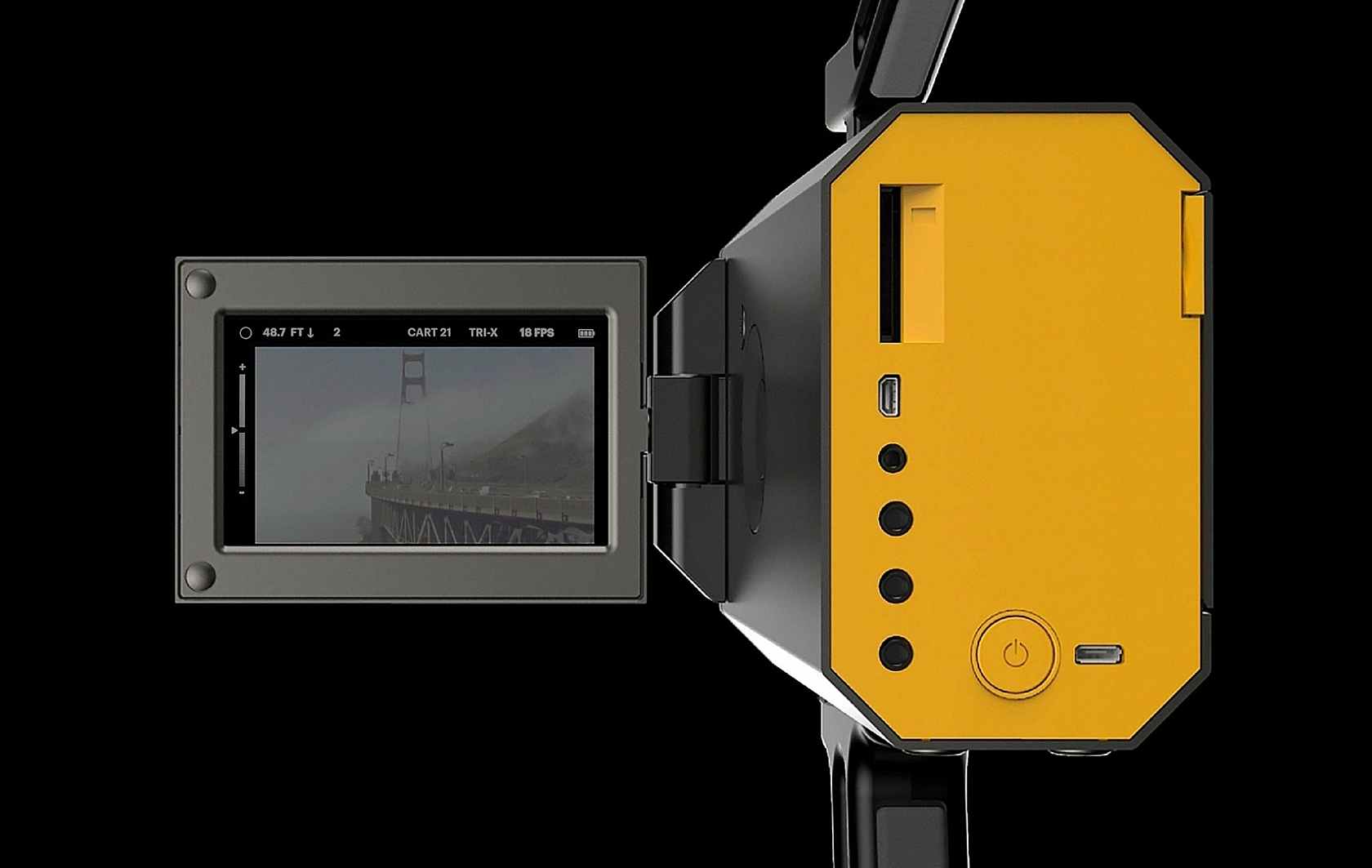
Kodak’s specifications list a 4-inch articulating LCD viewfinder, a built-in exposure meter displayed on that screen, WAV audio recorded to an SD card, micro-HDMI output and charging over micro USB. The image itself is captured chemically on Super 8 film.
That division is unusually clean. A filmmaker looks through an electronic display, checks an electronic meter and records synchronized sound digitally, but pressing the run button still advances physical film through the gate. The conveniences surrounding the image belong to the present. The exposure does not.
In 2016, Kodak had proposed an even more integrated system. Fortune reported that a cartridge was expected to cost $50 to $75 with processing and a digital copy included. The idea treated development and scanning not as awkward remnants of an obsolete workflow but as part of the product surrounding the camera.
Why Each Cartridge Matters More Than the Body
A standard cartridge contains 50 feet of film. At 24 frames per second, that gives about two and a half minutes of footage. Once exposed, the film has to leave the camera and be processed before the images can enter a normal digital postproduction workflow.
That is the part no touchscreen fixes. A digital camera can make another clip until its storage fills; Super 8 visibly counts down a physical supply. Long takes cost film. False starts cost film. Rehearsing before the camera rolls has an economic reason as well as an artistic one. The cartridge turns duration into something that can be held in the hand.
What a $5,495 Revival Is Actually Reviving
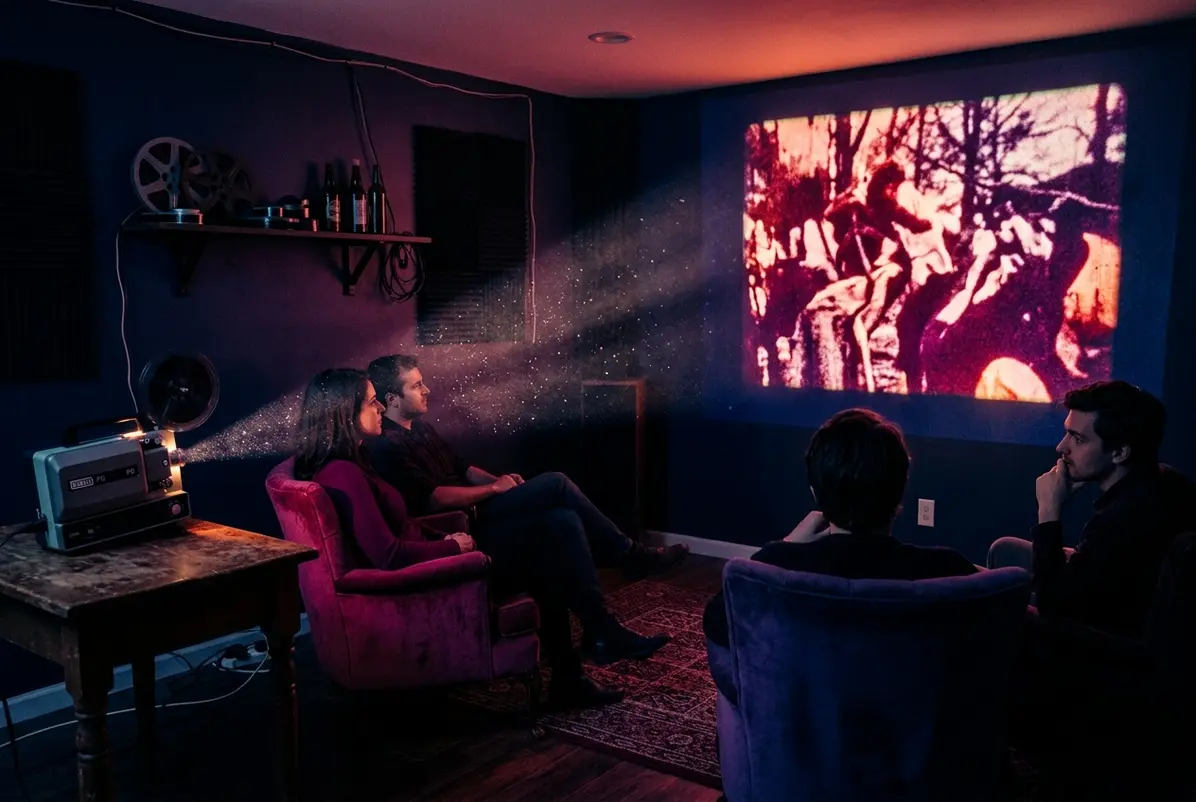
Kodak has consistently sold Super 8 on qualities that digital capture does not reproduce in exactly the same way. When the project was announced, Steven Spielberg said he wanted cinema to retain its “filmic look” and specifically praised the sight of fine grain moving on the screen.
The production camera makes that preference compatible with conveniences filmmakers have come to expect from modern equipment. The LCD, exposure display, digital sound recorder and modern connections reduce some of the friction surrounding film without converting the film itself into a simulation.
That distinction is what makes the camera more interesting than a nostalgia object. Kodak did not preserve every inconvenience of an old movie camera in the name of authenticity. It preserved the part that cannot be undone after the shutter opens: light striking a finite strip of film.
The $5,495 body is therefore almost secondary to the cartridge clicking into it. The electronics can make Super 8 easier to operate, but they cannot make two and a half minutes infinite. The revival keeps the screen, the meter and the sound recorder in the present. It leaves the image on the clock.
'%3e%3cg id='Final-Copy-2_2_' transform='translate(1275.000000, 200.000000)'%3e%3cpath class='st0' d='M7.4,12.8h6.8l3.1-11.6H7.4C4.2,1.2,1.6,3.8,1.6,7S4.2,12.8,7.4,12.8z'/%3e%3c/g%3e%3c/g%3e%3c/g%3e%3cg id='final---dec.11-2020'%3e%3cg id='_x30_208-our-toggle' transform='translate(-1275.000000, -200.000000)'%3e%3cg id='Final-Copy-2' transform='translate(1275.000000, 200.000000)'%3e%3cpath class='st1' d='M22.6,0H7.4c-3.9,0-7,3.1-7,7s3.1,7,7,7h15.2c3.9,0,7-3.1,7-7S26.4,0,22.6,0z M1.6,7c0-3.2,2.6-5.8,5.8-5.8 h9.9l-3.1,11.6H7.4C4.2,12.8,1.6,10.2,1.6,7z'/%3e%3cpath id='x' class='st2' d='M24.6,4c0.2,0.2,0.2,0.6,0,0.8l0,0L22.5,7l2.2,2.2c0.2,0.2,0.2,0.6,0,0.8c-0.2,0.2-0.6,0.2-0.8,0 l0,0l-2.2-2.2L19.5,10c-0.2,0.2-0.6,0.2-0.8,0c-0.2-0.2-0.2-0.6,0-0.8l0,0L20.8,7l-2.2-2.2c-0.2-0.2-0.2-0.6,0-0.8 c0.2-0.2,0.6-0.2,0.8,0l0,0l2.2,2.2L23.8,4C24,3.8,24.4,3.8,24.6,4z'/%3e%3cpath id='y' class='st3' d='M12.7,4.1c0.2,0.2,0.3,0.6,0.1,0.8l0,0L8.6,9.8C8.5,9.9,8.4,10,8.3,10c-0.2,0.1-0.5,0.1-0.7-0.1l0,0 L5.4,7.7c-0.2-0.2-0.2-0.6,0-0.8c0.2-0.2,0.6-0.2,0.8,0l0,0L8,8.6l3.8-4.5C12,3.9,12.4,3.9,12.7,4.1z'/%3e%3c/g%3e%3c/g%3e%3c/g%3e%3c/g%3e%3c/svg%3e) Your Privacy Choices
Your Privacy Choices