

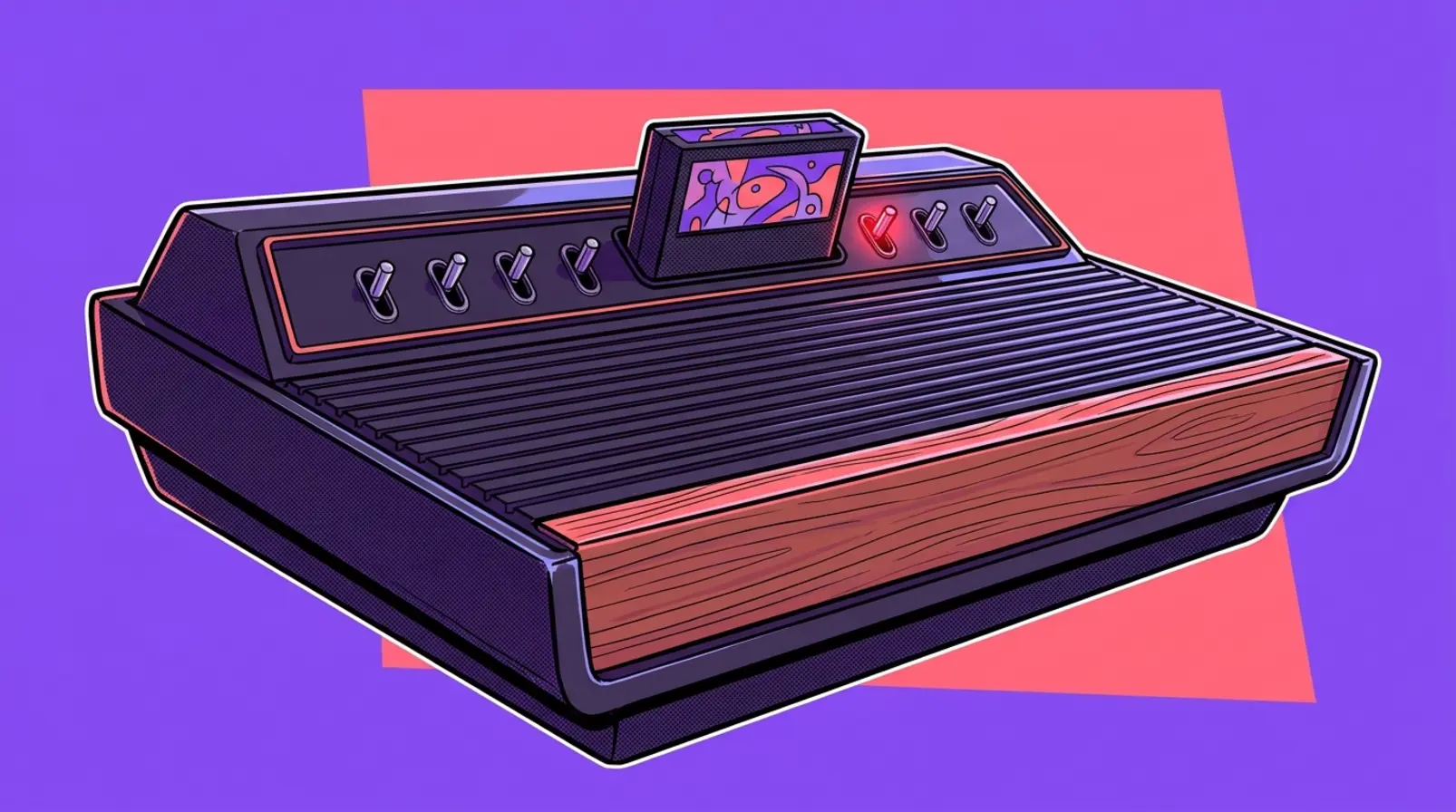


On November 23, 2026, the ZeroPage Homebrew account linked on X to an announcement about the Atari Homebrew Awards. James, the host known as ZeroPage Homebrew, wrote that the ninth annual show would not take place. After weighing three possible policies for AI-assisted games, he concluded: “I saw no path forward.”
The awards began in 2019 with Atari 2600 games. That console has 128 bytes of RAM. The show stopped over a less tangible limit: its host could find no dependable way to measure how much human work went into an AI-assisted game.
What ZeroPage Could Not Measure
James said he reached the decision after a November 6 ZeroPage stream devoted to AI game development and discussions with developers. He reported widespread use of AI among the developers he encountered. The work ranged from assistance with individual development tasks to generating a complete game without the developer typing code.
The amount of assistance was only one problem. James said developers described their use with different levels of detail, and some declined to answer direct questions. There was no standard disclosure method or percentage calculation that the nomination committee could apply consistently.
A strict ban would have removed games whose developers used AI for a small repetitive task. Full inclusion would have placed games generated in days beside games coded over months. A percentage cutoff still required information the organizer could not reliably extract from a ROM or confirm from the finished game. James also warned that public guesses and automated detection could produce false accusations.
The volume made the uncertainty harder to absorb. According to Kotaku’s November 24 report, James said some developers were releasing multiple AI-assisted games in a week. A volunteer awards program could examine a large release list, but reconstructing every development process from its output was another matter.
A Contest Sized to 4 Kilobytes
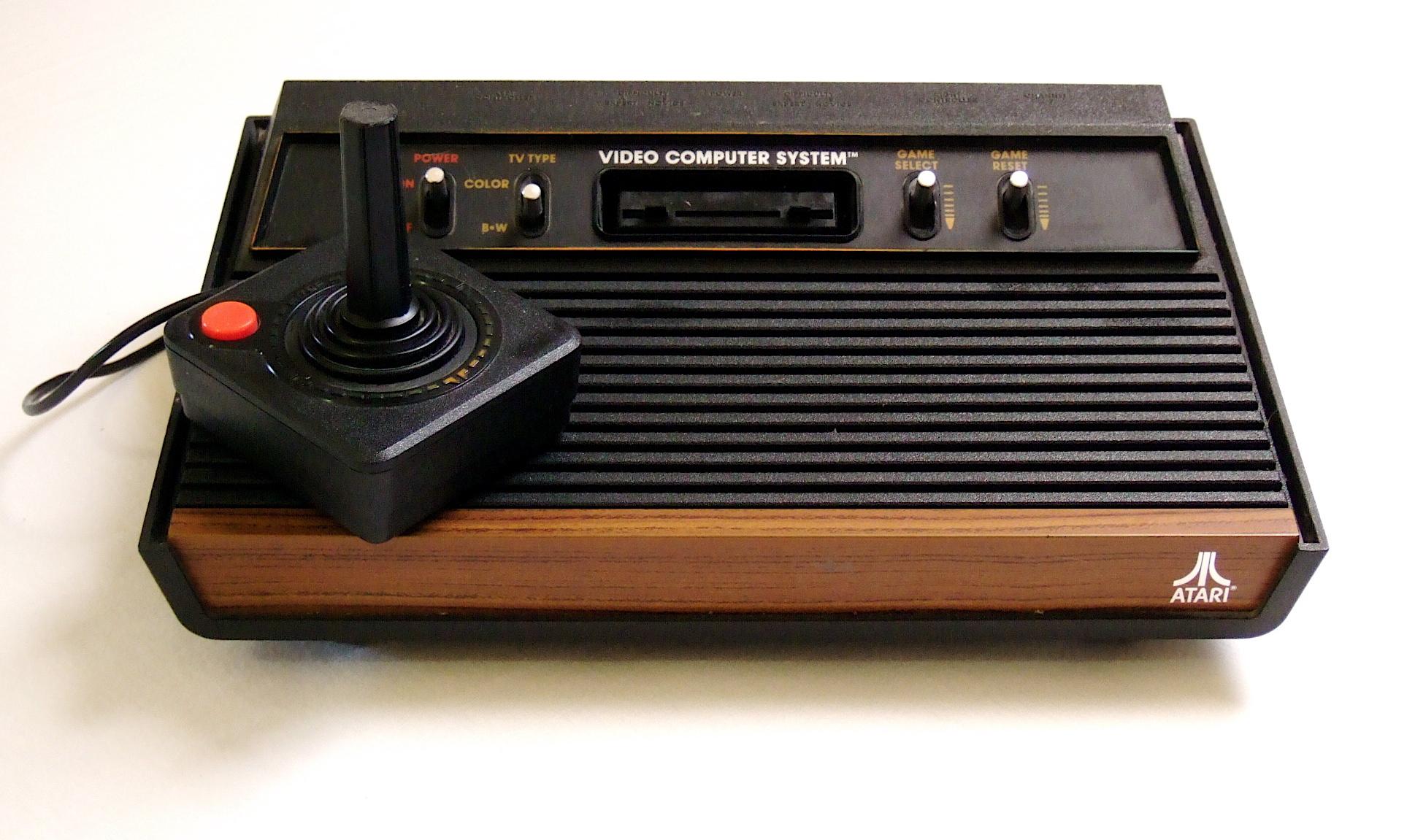
The first Atari Homebrew Awards show ran on February 23, 2019, with 10 categories for the Atari 2600. By the eighth show on February 21, 2026, the official history recorded 31 categories across the 2600, 7800, 8-bit computers and 5200, Lynx, Jaguar, and ST(e)/TT/Falcon families.
The workload already extended beyond watching a ballot fill up. A nomination committee evaluated releases before public voting. AtariAge reported that the committee reviewed more than 500 games for the eighth awards and narrowed each of the 30 public voting categories to six nominees. Games completed or sold in an earlier year, re-releases, hacks, and demos were among the common reasons a release missed the public vote.
The show also judged work in progress. Developers did not have to finish a game before the calendar year ended. That structure rewarded the act of making Atari software, including projects that might take years to complete. It also required the organizers to find and assess releases across the community instead of simply reviewing a pool of formal entries.
The 4K-and-under awards made that attention to process unusually clear. The Atari 2600 has a 4 KB cartridge address space, although larger cartridges can divide code into switchable banks. The awards recognized developers who stayed within a total ROM size of 4 KB or less, including separate recognition for graphics and sound. The finished game mattered, and so did the chosen constraint.
The Shortcut the Scene Already Took
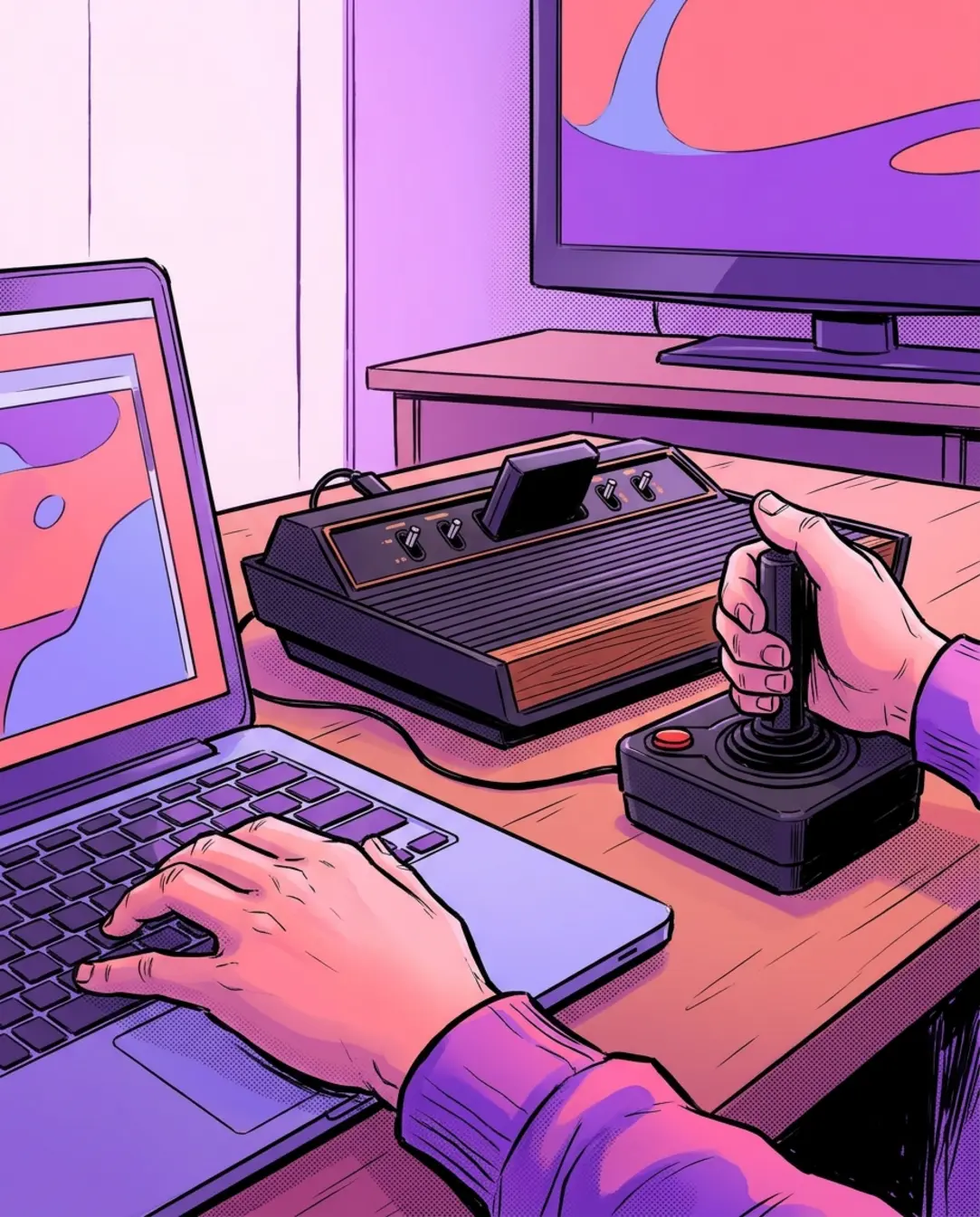
Atari homebrew had adopted labor-saving software long before generative AI. Fred X. Quimby released batari Basic 1.0 on February 14, 2007. A developer writes in a BASIC-like language, and the compiler converts that source into assembly before an assembler produces machine code for an emulator or cartridge.
Early documentation called the software a beginner’s platform and a step toward assembly programming. It reduced the amount of low-level work required to begin a 2600 game. Developers could also inspect the generated assembly, modify kernels, and supply assembly routines of their own.
Batari Basic automated translation rather than the writing of the source program. James described AI use that could begin with a human-written game or produce the source code itself. The resulting cartridge files need not reveal which process produced them, leaving an awards committee dependent on voluntary disclosure unless developers provide other evidence of their work.
The distinction was already visible in the community. On November 6, the developer of Downfall announced an AI-assisted Atari Lynx port based on the source code of his own Jaguar game. He distinguished his authorship of the original from the AI-generated conversion, which he had directed, refined and tested on hardware.
The old argument over easier tools therefore failed to settle the 2026 problem. The awards had recognized games developed using tools that let newcomers write source in a more approachable language. The dispute now concerned who produced the source, how much of it came from generated output, and whether the organizer could confirm an answer.
Suspended, With a Hope Attached
James chose the word “suspend” and said he hoped the tradition could continue in later years. Time Extension’s report described no return date, replacement format, or revised eligibility policy. None had been publicly announced in the reporting available by November 25, 2026.
Eight annual shows had been completed. James said the regular ZeroPage streams would continue to cover new community games, so the work of finding and playing Atari homebrew remained. The ninth awards show still had no date and no rule for establishing who wrote the code under judgment.
Frequently asked questions
Why were the Atari Homebrew Awards canceled?
Host James of ZeroPage Homebrew said he saw no path forward after widespread AI use made it impossible to reliably measure how much human work went into each game. Disclosure was inconsistent, some developers declined to answer, and finished ROMs do not reveal how the code was produced.
Are the Atari Homebrew Awards gone for good?
James described the ninth show as suspended, not ended, and said he hoped the tradition could continue in later years. As of November 25, 2026, no return date, replacement format, or revised eligibility policy had been announced.
What AI policies did ZeroPage consider for the awards?
He weighed three options: a strict ban, full inclusion, and a percentage cutoff for AI assistance. A ban would exclude games with minor AI help, full inclusion would pit days-old generated games against months of coding, and a cutoff required information organizers could not verify.
When did the Atari Homebrew Awards start?
The first show ran on February 23, 2019, with 10 categories for the Atari 2600. By the eighth show on February 21, 2026, it had grown to 31 categories covering the 2600, 7800, 8-bit computers and 5200, Lynx, Jaguar, and ST family.
How many games did the Atari Homebrew Awards review?
AtariAge reported the nomination committee reviewed more than 500 games for the eighth awards, narrowing each of the 30 public voting categories to six nominees.
Will ZeroPage Homebrew still stream new Atari games?
Yes. James said the regular ZeroPage streams would continue covering new community games, even though the awards show is suspended.


'%3e%3cg id='Final-Copy-2_2_' transform='translate(1275.000000, 200.000000)'%3e%3cpath class='st0' d='M7.4,12.8h6.8l3.1-11.6H7.4C4.2,1.2,1.6,3.8,1.6,7S4.2,12.8,7.4,12.8z'/%3e%3c/g%3e%3c/g%3e%3c/g%3e%3cg id='final---dec.11-2020'%3e%3cg id='_x30_208-our-toggle' transform='translate(-1275.000000, -200.000000)'%3e%3cg id='Final-Copy-2' transform='translate(1275.000000, 200.000000)'%3e%3cpath class='st1' d='M22.6,0H7.4c-3.9,0-7,3.1-7,7s3.1,7,7,7h15.2c3.9,0,7-3.1,7-7S26.4,0,22.6,0z M1.6,7c0-3.2,2.6-5.8,5.8-5.8 h9.9l-3.1,11.6H7.4C4.2,12.8,1.6,10.2,1.6,7z'/%3e%3cpath id='x' class='st2' d='M24.6,4c0.2,0.2,0.2,0.6,0,0.8l0,0L22.5,7l2.2,2.2c0.2,0.2,0.2,0.6,0,0.8c-0.2,0.2-0.6,0.2-0.8,0 l0,0l-2.2-2.2L19.5,10c-0.2,0.2-0.6,0.2-0.8,0c-0.2-0.2-0.2-0.6,0-0.8l0,0L20.8,7l-2.2-2.2c-0.2-0.2-0.2-0.6,0-0.8 c0.2-0.2,0.6-0.2,0.8,0l0,0l2.2,2.2L23.8,4C24,3.8,24.4,3.8,24.6,4z'/%3e%3cpath id='y' class='st3' d='M12.7,4.1c0.2,0.2,0.3,0.6,0.1,0.8l0,0L8.6,9.8C8.5,9.9,8.4,10,8.3,10c-0.2,0.1-0.5,0.1-0.7-0.1l0,0 L5.4,7.7c-0.2-0.2-0.2-0.6,0-0.8c0.2-0.2,0.6-0.2,0.8,0l0,0L8,8.6l3.8-4.5C12,3.9,12.4,3.9,12.7,4.1z'/%3e%3c/g%3e%3c/g%3e%3c/g%3e%3c/g%3e%3c/svg%3e) Your Privacy Choices