

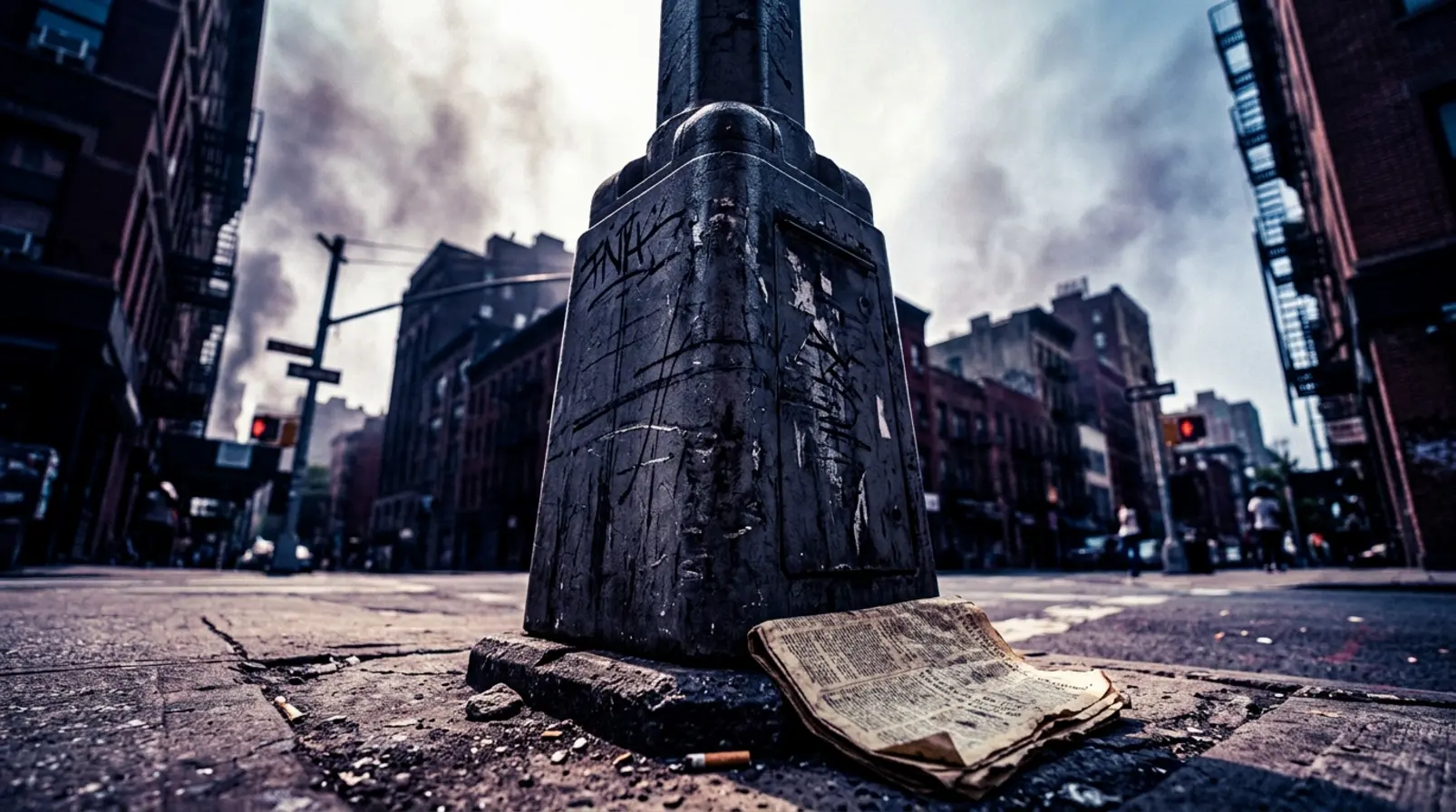

On July 21, 1971, The New York Times published “‘Taki 183’ Spawns Pen Pals,” a profile of a Washington Heights teenager whose name and street number had spread across New York. The story did two things at once: it publicized the tag and attached a public cost to the phenomenon. More than half a century later, sanctioned graffiti festivals operate inside that same tension in a radically different form. Visibility can preserve a culture, enlarge its audience, and give artists room to work. It can also bring schedules, designated walls, official openings, and somebody else’s permission.
One Tag, Then Many
TAKI 183 began writing his tag around 1969. According to his later account, friends had been inspired by JULIO 204, while his own mark combined TAKI, a Greek diminutive, with the number of his street in Washington Heights. His delivery work carried him around Manhattan and gave him more places to write. The Times coverage did not create tagging, but it gave one writer and the practice around him an audience far beyond the surfaces where the names appeared.
Fame Confronted With Its Cost
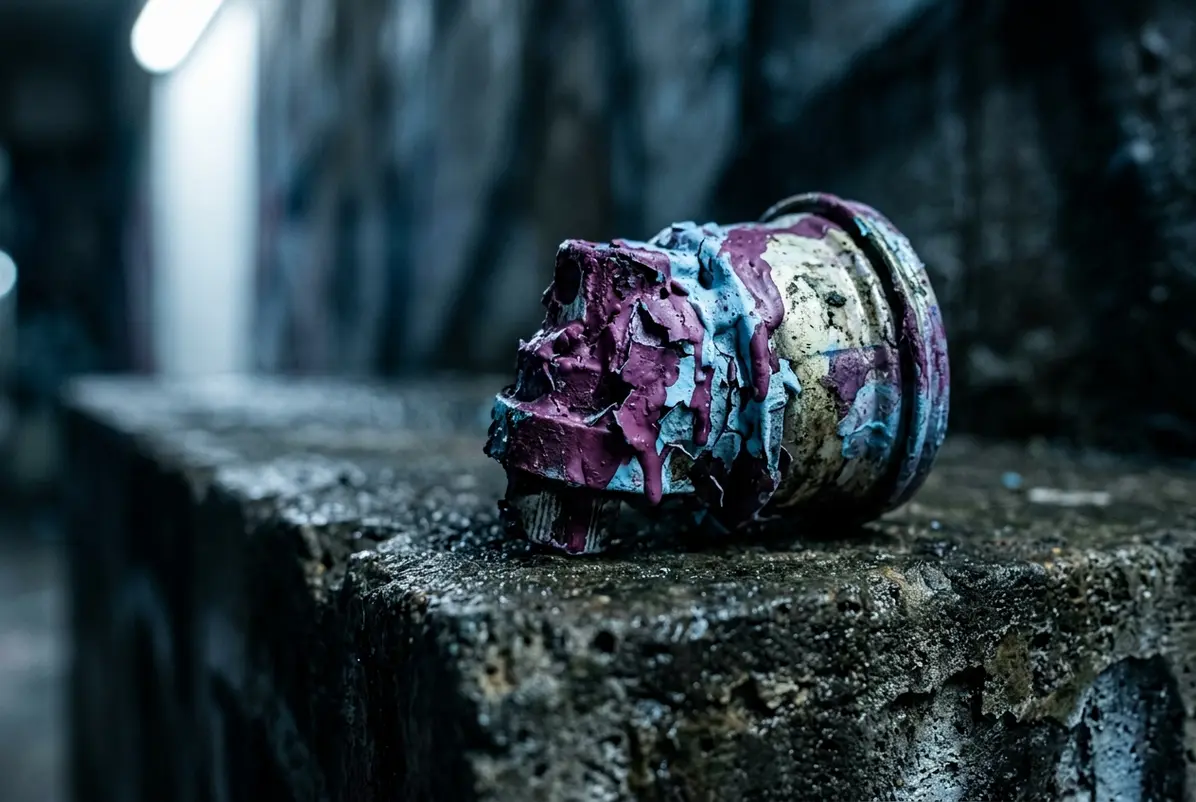
The publicity came with an invoice. A later account of the Times story notes that it put graffiti-related damage and removal costs at $300,000 and confronted TAKI 183 with the figure. His answer was blunt: “I work, I pay taxes too and it doesn’t harm anybody.” It sounds less like an argument about art than an argument about belonging: who gets to use public space, who gets to mark it, and who gets to decide what counts as damage.
Subway Cars Become Gallery Walls
The institutional turn followed quickly. In 1972, City College student Hugo Martinez formed United Graffiti Artists to give writers a larger platform and greater legitimacy. The group subsequently exhibited at Razor Gallery in SoHo. Subway cars and gallery walls are often treated as opposites, one unsanctioned and one authorized, but writers and their visual language could move between them. What changed was the framework around the work: who invited it, where it could appear, and whether an institution was willing to call it art.
The Bargain Reappears in the Festival Circuit
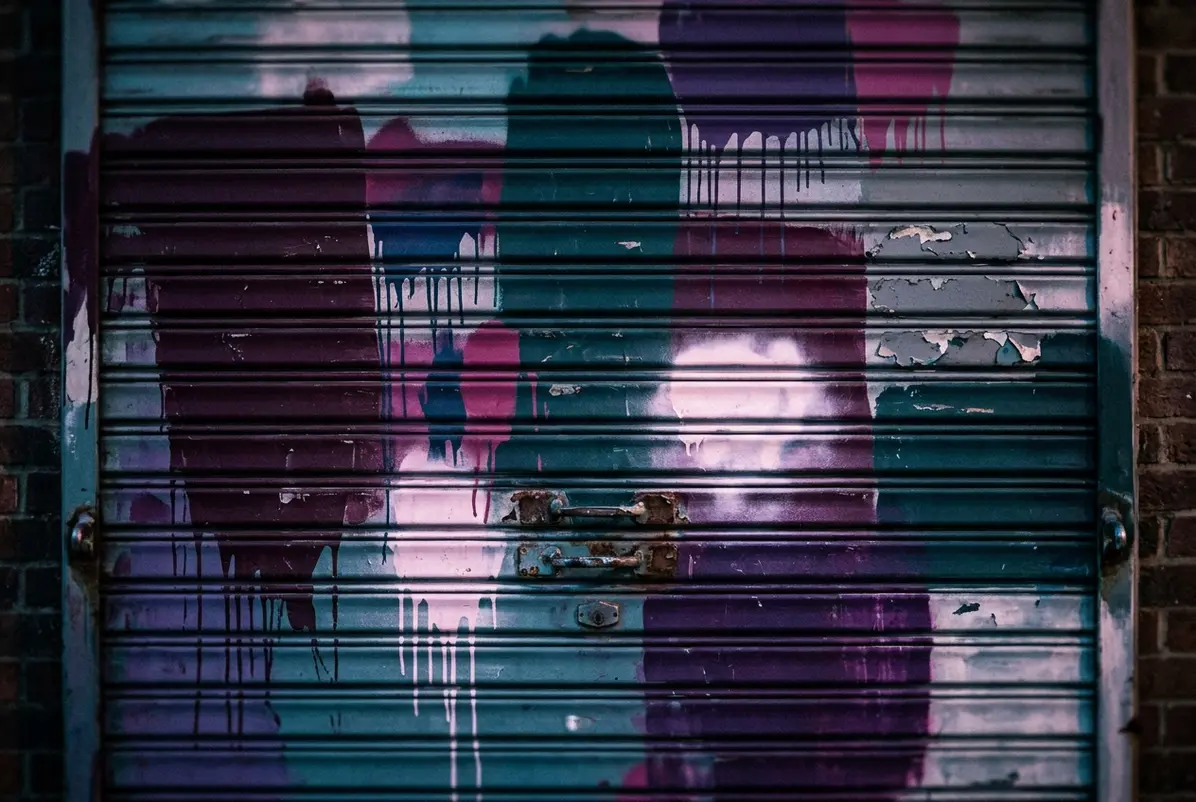
That tension now runs through organized graffiti culture. Meeting of Styles traces its roots to Wiesbaden’s International Wall Street Meeting in 1997 and the creation of its international network in 2002. It describes itself as a nonprofit initiative while insisting that “Meeting of Styles was never created to become just another graffiti festival.” The wording matters. Organization is part of the operation, but authenticity remains part of the promise.
Paimpol Makes the Bargain Explicit
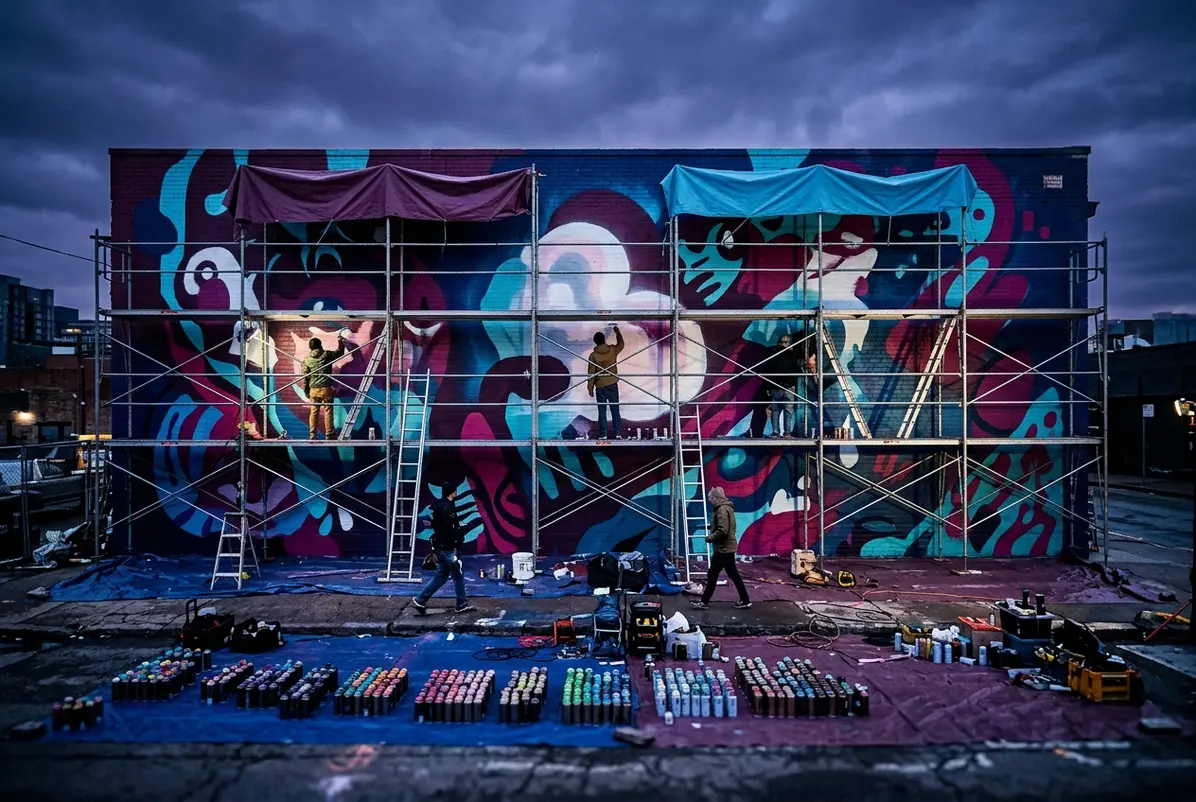
The contrast becomes unusually visible August 21 through 23, 2026, when Paimpol hosts a Meeting of Styles event. The city’s official program includes live murals, graffiti workshops, music, street performances, a festival village, visitor routes, and an official inauguration. Meeting of Styles, meanwhile, describes the Paimpol gathering as dedicated to authentic graffiti and painting under “real, uncompromising conditions.”
There is no necessary contradiction between serious graffiti practice and a sanctioned event. The interesting part is the amount of infrastructure now required to hold those ideas together. The walls are designated. Artists are invited. Visitors receive a program. The city schedules an inauguration. Authenticity has not disappeared; it has become something the festival must actively describe and protect inside an organized system.
TAKI 183’s early writing operated under different conditions. In a later interview, he said part of the appeal was “getting away with it.” The Times brought attention, not permission.
Fifty-five years later, Paimpol arranges that attention in advance, inside a formal program, while its organizers still insist on the uncompromised character of the painting. That does not prove that sanction kills authenticity. It shows why authenticity becomes harder to describe once permission is part of the workflow. TAKI had to get away with it. Paimpol has to schedule it.
'%3e%3cg id='Final-Copy-2_2_' transform='translate(1275.000000, 200.000000)'%3e%3cpath class='st0' d='M7.4,12.8h6.8l3.1-11.6H7.4C4.2,1.2,1.6,3.8,1.6,7S4.2,12.8,7.4,12.8z'/%3e%3c/g%3e%3c/g%3e%3c/g%3e%3cg id='final---dec.11-2020'%3e%3cg id='_x30_208-our-toggle' transform='translate(-1275.000000, -200.000000)'%3e%3cg id='Final-Copy-2' transform='translate(1275.000000, 200.000000)'%3e%3cpath class='st1' d='M22.6,0H7.4c-3.9,0-7,3.1-7,7s3.1,7,7,7h15.2c3.9,0,7-3.1,7-7S26.4,0,22.6,0z M1.6,7c0-3.2,2.6-5.8,5.8-5.8 h9.9l-3.1,11.6H7.4C4.2,12.8,1.6,10.2,1.6,7z'/%3e%3cpath id='x' class='st2' d='M24.6,4c0.2,0.2,0.2,0.6,0,0.8l0,0L22.5,7l2.2,2.2c0.2,0.2,0.2,0.6,0,0.8c-0.2,0.2-0.6,0.2-0.8,0 l0,0l-2.2-2.2L19.5,10c-0.2,0.2-0.6,0.2-0.8,0c-0.2-0.2-0.2-0.6,0-0.8l0,0L20.8,7l-2.2-2.2c-0.2-0.2-0.2-0.6,0-0.8 c0.2-0.2,0.6-0.2,0.8,0l0,0l2.2,2.2L23.8,4C24,3.8,24.4,3.8,24.6,4z'/%3e%3cpath id='y' class='st3' d='M12.7,4.1c0.2,0.2,0.3,0.6,0.1,0.8l0,0L8.6,9.8C8.5,9.9,8.4,10,8.3,10c-0.2,0.1-0.5,0.1-0.7-0.1l0,0 L5.4,7.7c-0.2-0.2-0.2-0.6,0-0.8c0.2-0.2,0.6-0.2,0.8,0l0,0L8,8.6l3.8-4.5C12,3.9,12.4,3.9,12.7,4.1z'/%3e%3c/g%3e%3c/g%3e%3c/g%3e%3c/g%3e%3c/svg%3e) Your Privacy Choices
Your Privacy Choices