


The Shelf and the Screen
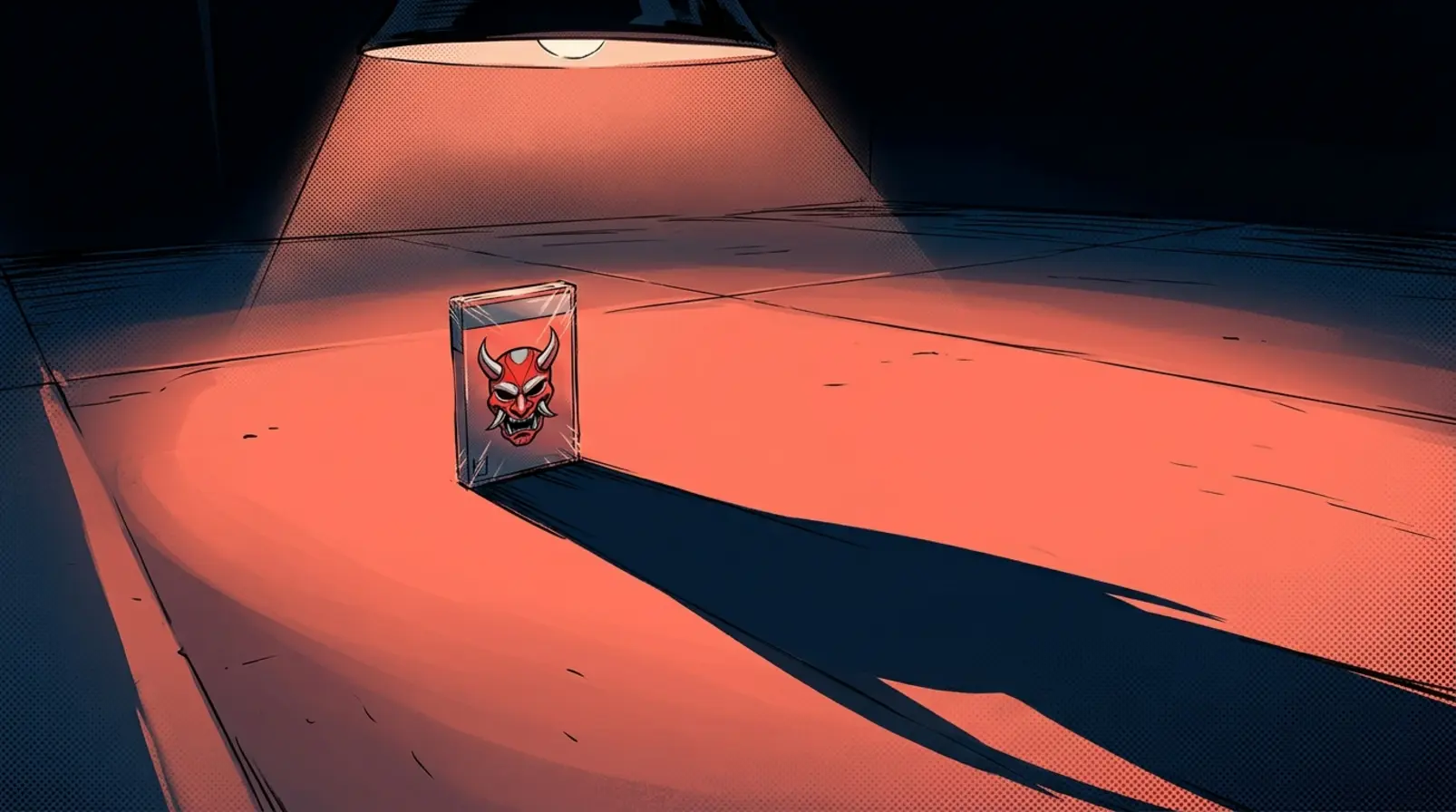
Picture this: a small cardboard mailer arrives at your door. Inside, a Switch cartridge case. The spine reads Animal Well. The cover art is clay-mation surreal. There’s a journal inside, a folded map. The whole thing weighs almost nothing and means almost everything. This is how Jason Gastrow, the YouTuber known as videogamedunkey, chose to introduce his publishing label’s first game to the physical world. And this is the bet that now looks prescient as the biggest indie sequel of the decade finally gets its own box.
Bigmode is a publishing company established in 2022 by Jason Gastrow, better known through his YouTube personality videogamedunkey, and his wife Leah Gastrow. In January 2023, Bigmode announced its first title, Animal Well, which was released for Nintendo Switch, PlayStation 5, and Windows in May 2024 and for Xbox Series X/S in October 2024, receiving critical acclaim. Within weeks of that digital launch, Gastrow and his team had partnered with Limited Run Games to get Animal Well into a physical collector’s edition, complete with a 24-by-36-inch map and a game-themed journal. A physical Collector’s Edition was made available for pre-order between May 24th and June 23rd through Limited Run Games for the Switch and PS5.
The conventional wisdom in indie publishing is simple: ship digital, ship fast, skip the box. Physical editions are afterthoughts, boutique curiosities, sometimes never arriving at all. To me, Gastrow’s approach with Bigmode reads as a quiet rejection of that logic. It says something about how he understands the relationship between a game and its audience.
Silksong’s Long Road to Cardboard
Hollow Knight: Silksong is a 2025 Metroidvania game developed and published by Australian independent developer Team Cherry, released on 4 September 2025 for Linux, macOS, Nintendo Switch, Nintendo Switch 2, PlayStation 4, PlayStation 5, Windows, Xbox One, and Xbox Series X/S. It arrived after more than six years of anticipation, a wait that became a kind of communal performance art among fans. The game had sold over seven million copies by mid-December 2025, with millions more playing on Xbox Game Pass.
But on launch day, there was no box to hold. Hollow Knight: Silksong released a Physical Edition, but it wasn’t available at launch on September 4; instead, it was released in 2026. Physical copies were first available on the Nintendo Switch family of consoles in early 2026, Bloomberg reported, before physical versions of the game on other platforms followed later in the year. Team Cherry, a studio famous for its tiny headcount, likely delayed the physical release due to the small team that Team Cherry has.

Fan communities lit up immediately. Some players declared they would wait months for the physical version rather than buy digital. In collector-focused forums, people debated whether the eventual boxed Silksong would include the upcoming Sea of Sorrow expansion or ship as the base game alone. The first big Hollow Knight: Silksong expansion, officially titled Sea of Sorrow, is already in the works and scheduled to arrive in 2026, packed with new areas, bosses, tools and much more. One commenter captured the mood with blunt clarity: “I’m waiting for physical either way.”
The Bigmode Precedent
Gastrow is not Team Cherry. Bigmode did not publish Silksong. But what Gastrow did with Animal Well set a template that, in my view, changed the conversation around what an indie physical edition could be. When he announced Bigmode, his pitch was explicitly about quality curation. Bigmode was described as a publisher with “a passionate voice for quality, originality, and fun” within the indie game space. That philosophy extended naturally to how the game reached players’ hands.
Bigmode partnered with both Super Deluxe and Lost in Cult, to bring retail versions of Animal Well all over the world, with Lost in Cult publishing in America and Europe, available from their website or at a variety of retail stores. The physical editions weren’t an afterthought. They were treated as a separate creative event, with new cover art from different illustrators and even a vinyl pressing of the soundtrack. In its physical debut, Billy Basso’s mesmeric Animal Well soundtrack arrived on vinyl.
There’s a case to be made that this approach helped legitimize the idea that a $25 indie game deserves shelf space alongside $70 blockbusters. It feels like a statement: if the craft is there, the object should be too.
Why “Wait for the Box” Isn’t Backwards
The popular take goes like this: physical media for games is nostalgia cosplay. A cartridge is just a license key in a prettier package. The real product is the download. By this logic, anyone holding out for a Silksong box is being sentimental at best, foolish at worst.
I think that take misses something important. When Team Cherry priced Silksong at a shocking $20 on all major platforms , they made a statement about value that cut against the grain of an industry obsessed with $70 price floors. A physical edition at or near that price point doesn’t just give collectors a box. It gives the game a second launch window, a second round of attention, a reason for stores to dedicate shelf space to a title that might otherwise vanish into a storefront algorithm within weeks.
Gastrow seems to understand this instinctively. When he launched Bigmode, he spoke about games being “drowned out in a sea of mediocrity” on digital storefronts. As he told Game Developer, the label would be “all about building up the games and developers.” Physical editions are one way to build. They create objects that resist the ephemerality of a Steam wishlist. They sit on shelves in bedrooms and stream setups and convention booths. They become artifacts.
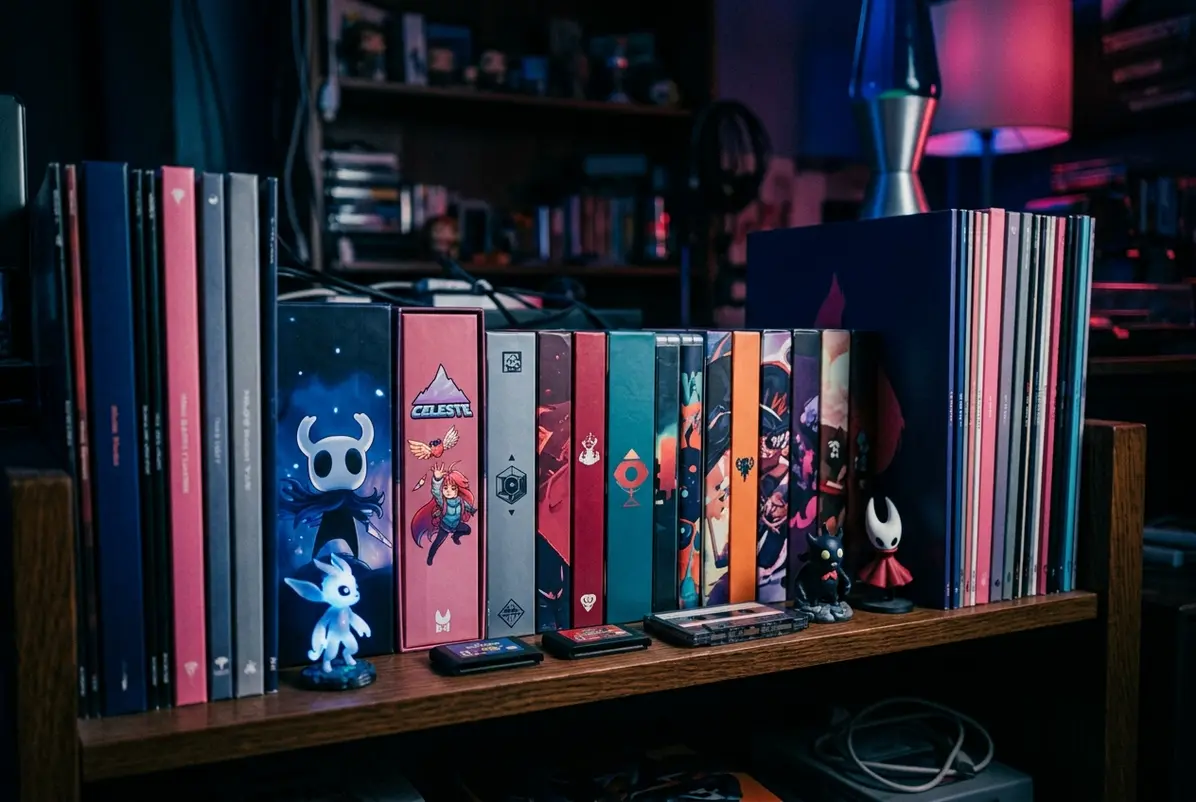
The original Hollow Knight understood this. Hollow Knight was made available in a physical edition for Nintendo Switch, PlayStation 4, and PC, including a special collector’s edition available exclusively on Fangamer. For the first Hollow Knight game, Team Cherry launched a Collector’s Edition box three months after its original release, containing a disc, a comic book, a metal brooch, a physical map of Hallownest, and an art print set. That edition became a grail item. It told new players: this is a game worth owning, physically, permanently.
The Convergence
What strikes me is how the Silksong physical rollout mirrors the Bigmode playbook, even without any formal connection between the two. Launch digital. Let the game prove itself. Then treat the physical edition as a crafted experience rather than a contractual obligation. Team Cherry’s friends at Fangamer prepared an all-new series of mini-figurines depicting Hornet, her friends, and her rivals to celebrate the release, further extending the game into the tangible world.
Reasonable people might disagree, but I think Gastrow’s early and vocal commitment to physical editions through Bigmode helped normalize this approach for other small studios watching from the margins. As of January 2026, his YouTube channel has over seven million subscribers and he has accumulated over four billion views. That’s not a niche audience. When someone with that reach treats a cartridge case like it matters, it sends a signal.
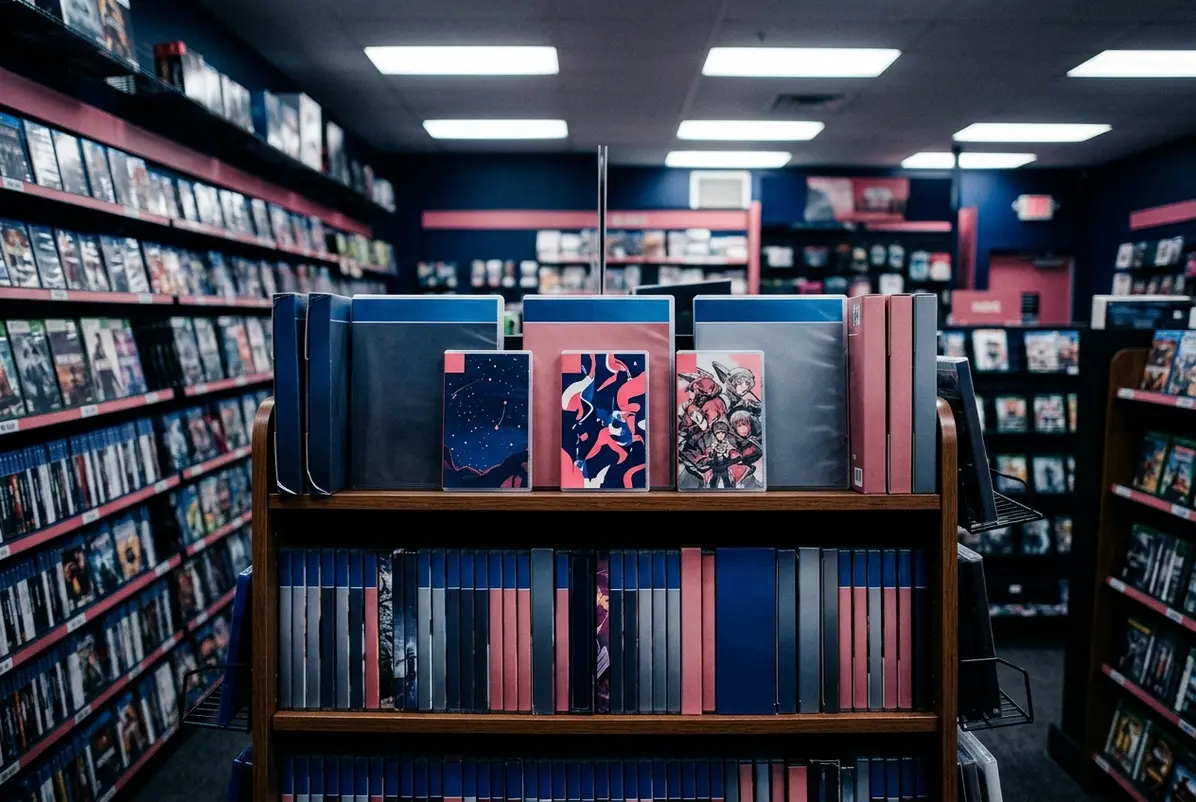
The Silksong physical edition arriving on Nintendo Switch first in early 2026, with other platforms to follow, isn’t a concession to a dying format. It reads like a strategy. A seven-million-copy seller at $20 has enormous headroom for a physical SKU that could carry new cover art, bundled extras, or even the Sea of Sorrow expansion on-cartridge. If Team Cherry follows the template that Bigmode helped popularize, the box won’t be the same product in a different wrapper. It will be its own event.
The Cartridge as Conviction
Gastrow once described his vision for Bigmode with characteristic bluntness. He wasn’t looking for creative control, but did want to be involved in development and said the company had “put a lot of effort into making the most developer-friendly contracts possible.” That ethos extended to how games were presented to the public, packaging included.
My take is that the “physical first” philosophy isn’t really about physical media at all. It’s about treating every point of contact between a game and its audience as an opportunity for craft. The box, the manual, the vinyl, the figurine, the map. Each one is a chance to say: we made this with intention, and we want you to hold the proof.
Silksong didn’t need Bigmode to reach seven million players. But the broader culture that made its delayed physical edition feel like an event, not an afterthought? Gastrow and his small, stubborn label helped build that. The cartridge is coming. And for a lot of people, the wait will have been the point.
'%3e%3cg id='Final-Copy-2_2_' transform='translate(1275.000000, 200.000000)'%3e%3cpath class='st0' d='M7.4,12.8h6.8l3.1-11.6H7.4C4.2,1.2,1.6,3.8,1.6,7S4.2,12.8,7.4,12.8z'/%3e%3c/g%3e%3c/g%3e%3c/g%3e%3cg id='final---dec.11-2020'%3e%3cg id='_x30_208-our-toggle' transform='translate(-1275.000000, -200.000000)'%3e%3cg id='Final-Copy-2' transform='translate(1275.000000, 200.000000)'%3e%3cpath class='st1' d='M22.6,0H7.4c-3.9,0-7,3.1-7,7s3.1,7,7,7h15.2c3.9,0,7-3.1,7-7S26.4,0,22.6,0z M1.6,7c0-3.2,2.6-5.8,5.8-5.8 h9.9l-3.1,11.6H7.4C4.2,12.8,1.6,10.2,1.6,7z'/%3e%3cpath id='x' class='st2' d='M24.6,4c0.2,0.2,0.2,0.6,0,0.8l0,0L22.5,7l2.2,2.2c0.2,0.2,0.2,0.6,0,0.8c-0.2,0.2-0.6,0.2-0.8,0 l0,0l-2.2-2.2L19.5,10c-0.2,0.2-0.6,0.2-0.8,0c-0.2-0.2-0.2-0.6,0-0.8l0,0L20.8,7l-2.2-2.2c-0.2-0.2-0.2-0.6,0-0.8 c0.2-0.2,0.6-0.2,0.8,0l0,0l2.2,2.2L23.8,4C24,3.8,24.4,3.8,24.6,4z'/%3e%3cpath id='y' class='st3' d='M12.7,4.1c0.2,0.2,0.3,0.6,0.1,0.8l0,0L8.6,9.8C8.5,9.9,8.4,10,8.3,10c-0.2,0.1-0.5,0.1-0.7-0.1l0,0 L5.4,7.7c-0.2-0.2-0.2-0.6,0-0.8c0.2-0.2,0.6-0.2,0.8,0l0,0L8,8.6l3.8-4.5C12,3.9,12.4,3.9,12.7,4.1z'/%3e%3c/g%3e%3c/g%3e%3c/g%3e%3c/g%3e%3c/svg%3e) Your Privacy Choices
Your Privacy Choices