


The Cartridge Behind Glass
Picture it. A factory-sealed copy of Super Mario Bros. for the NES, entombed in a rigid acrylic case, stamped with a professional grade, and treated less like a toy than a financial object. It sits in a climate-controlled vault somewhere, or maybe on a shelf in a private collection. Nobody has touched the cartridge inside for decades. Nobody is supposed to. The seal is the product. The game is almost incidental.
Over the last decade, sealed video games moved from niche collector curiosity to headline-making asset. In 2017, a sealed copy of Super Mario Bros. sold for more than $30,000. By 2019, another sealed copy of the same game had reached $100,150. In 2021, an unopened copy of Super Mario 64 sold for $1.56 million, and shortly after that, a sealed copy of Super Mario Bros. reportedly changed hands for $2 million. Within a few years, the category had moved from five-figure curiosity to seven-figure spectacle.
This is not a story about one grading company, one auction house, or one sale. The more interesting question is structural: what happens when a market assigns enormous value to an object precisely because nobody is allowed to verify the thing inside?
The counter-narrative is quieter and stranger than the usual collectibles boom story. It goes like this: what if the sealed game market is not really pricing the game at all? What if it is pricing the box, the wrap, the grade, and the fantasy that the untouched object inside remains perfectly suspended in time?
What Bit Rot Actually Means
The reassuring part comes first. Many early cartridge games are more durable than people assume. NES cartridges, for example, commonly used mask ROM chips, a form of read-only memory where the software is effectively built into the physical structure of the chip. As Hackaday explains, mask ROMs turn the stored program into a hardware memory device, which makes the data far more stable than storage formats that rely on retained electrical charge.
That matters because “bit rot” is often used too loosely. A thirty-five-year-old NES cartridge is not automatically decaying in the same way as a burned CD-R, a failing hard drive, or a flash-memory device left unpowered for years. There are millions of old cartridges from the 1980s and 1990s that still boot today. In many cases, the bigger threats are dirty contacts, physical damage, corrosion, bad storage, or failing supporting components rather than the ROM data itself.
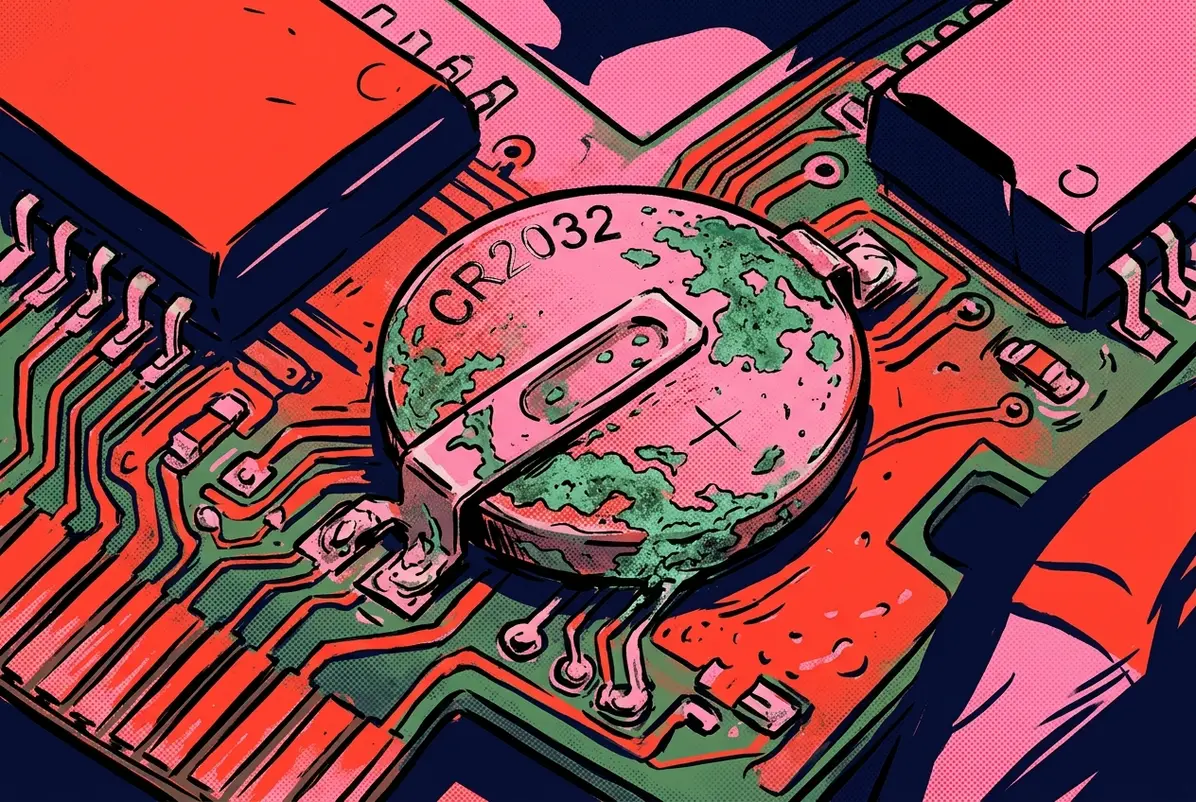
So far, so reassuring. But the story becomes more complicated once the conversation moves beyond simple mask ROM cartridges. Many older save-enabled cartridges rely on internal batteries to maintain save data or clock-related functions. If that battery dies, the game may still boot, but the save function can fail. iFixit notes that a depleted cartridge battery may cause a game to fail to save data, and replacing that battery often requires opening the cartridge and soldering.
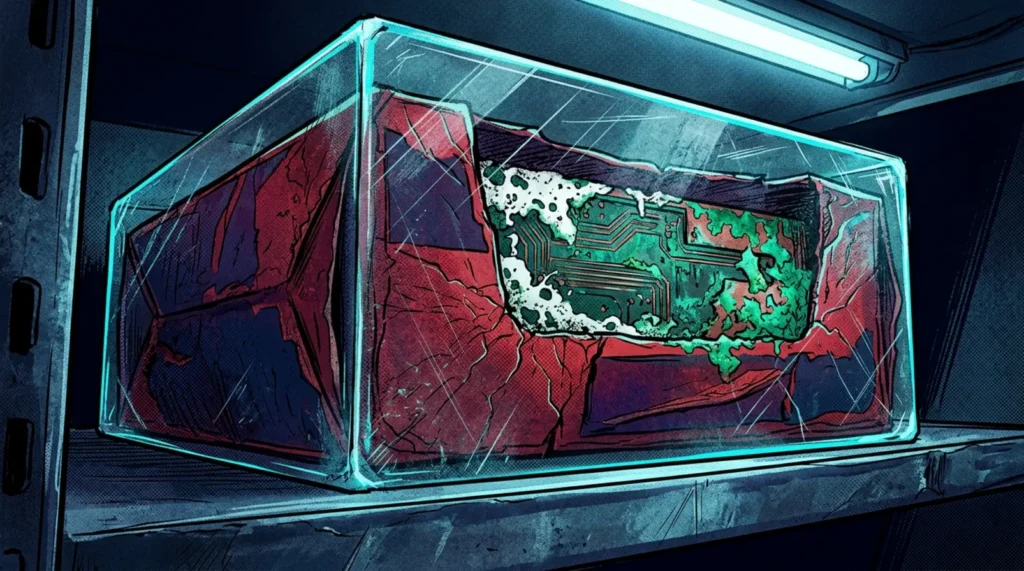
For a loose cartridge, that is maintenance. For a sealed collectible, it is a contradiction. Servicing the object means opening it. Opening it means destroying the sealed condition that created the premium in the first place.
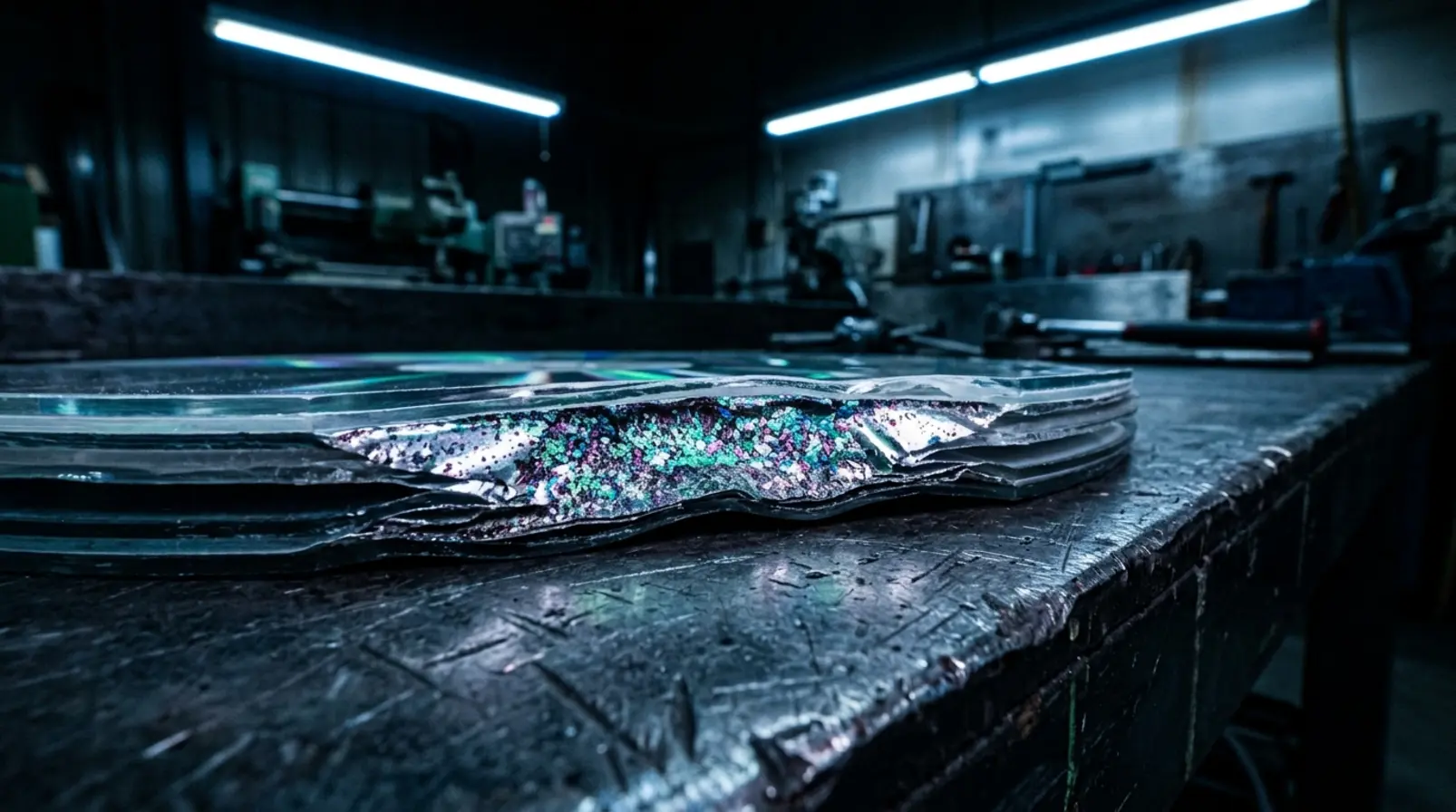
Then there is the disc-based generation. Optical media can deteriorate over time, though not uniformly and not always catastrophically. The Library of Congress notes that aging, storage environment, and handling can cause changes in CD-ROM materials that lead to deterioration and loss of data, sometimes called “CD-Rot” or “Laser-Rot”. The point is not that every sealed disc is doomed. The point is that a sealed case does not magically exempt the media inside from chemistry, manufacturing variance, or storage history.
The newer cartridge generations raise a different kind of question. Modern handheld cartridges are not always simple descendants of the old mask ROM model. Coverage of Nintendo 3DS and Switch media has pointed to proprietary Macronix XtraROM products and the possibility that some newer cartridges may involve flash-like storage characteristics. Hackaday has reported that details are difficult to confirm because the technology is proprietary, while noting that Macronix has claimed 20 years of reliable storage at temperatures up to 85°C for XtraROM-based products. That does not prove modern cartridges are failing en masse. It does suggest that long-term preservation should be treated as a technical question, not an article of faith.
The Paradox of the Sealed Investment
Here is the part that should make sealed-game collecting more interesting, not less. To verify that a cartridge still works, you generally have to open it, inspect it, dump it, test it, or otherwise interact with it. But for a sealed collectible, interaction is exactly what the market punishes. The grade on the acrylic slab tells you about the condition of the box, the wrap, the seal, and the visible exterior. It does not tell you, with certainty, that the playable data inside remains accessible.
That is the fundamental paradox. The more valuable the sealed game becomes, the less anyone is incentivized to confirm what the object actually does.
In that sense, a sealed game is different from many other collectibles. A first-edition book can theoretically be opened and read. A painting can be examined. A vinyl record can be played, even if collectors choose not to. A sealed game asks the buyer to treat an interactive object as valuable because it will never be interacted with again. The untouched condition becomes the thing. The software becomes a belief.
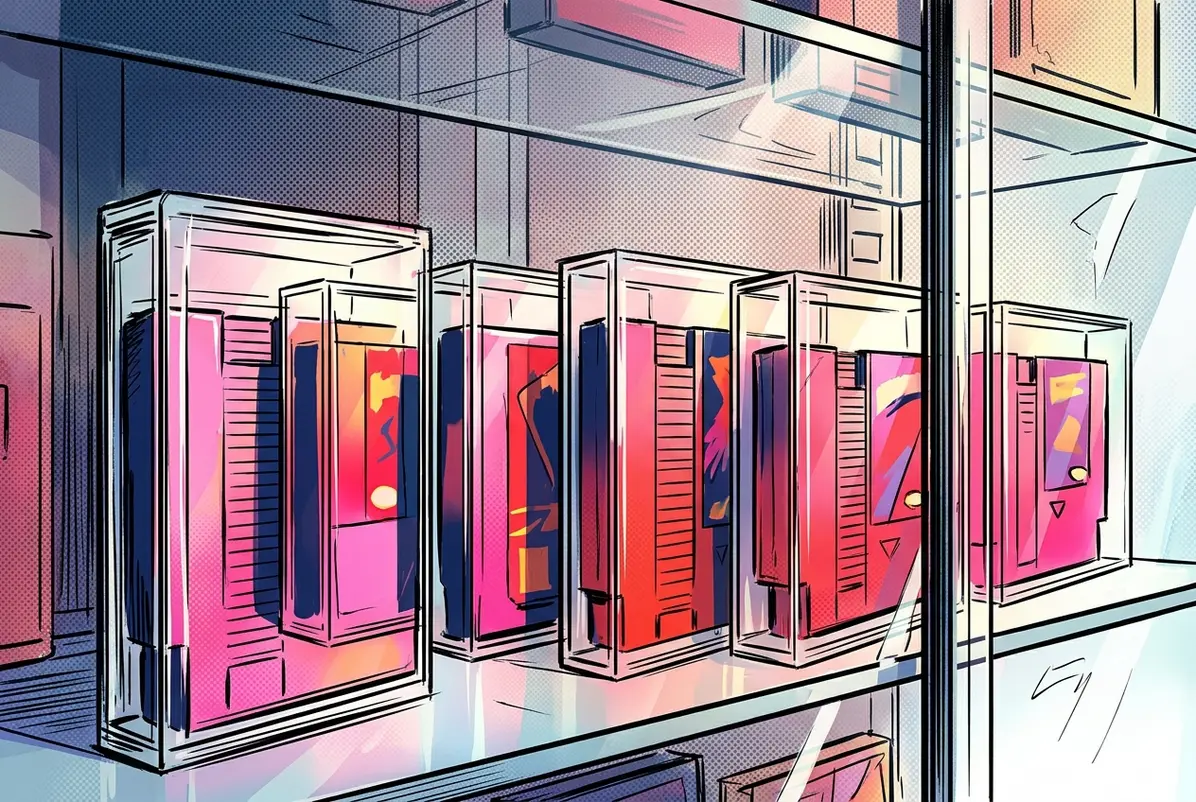
There is nothing inherently wrong with that. Collectors have always valued condition, scarcity, provenance, and presentation. But sealed games add a strange twist because the cultural object being collected is not just a package. It is a playable work. The market may be comfortable treating the game as a static artifact, but the medium itself was built around use.
The Market That Built the Slab
The rise of sealed-game collecting makes sense when viewed through the broader logic of collectibles. Comics, trading cards, coins, toys, and sneakers all developed markets where grading, encapsulation, and condition reports help establish trust between buyers and sellers. Video games were always likely to follow. They are nostalgic, visual, brand-heavy, and tied to childhood memory. They also come in boxes that can be displayed, ranked, and compared.
That framework helped sealed games become legible to people who did not grow up thinking of cartridges as cultural artifacts. A sealed box with a grade is easier to buy, sell, insure, and display than a loose cartridge with a handwritten note saying “tested and working.” The slab turns a messy object into a standardized one.
But standardization can hide as much as it reveals. A grade can tell you whether the outer package is pristine. It can help compare one copy against another. It can create market confidence around condition. What it cannot do, at least without opening the item, is fully answer the preservation question. Does the cart boot? Does the save battery still hold data? Does the disc read cleanly from beginning to end? Has the internal media been affected by storage conditions nobody can see?
That is the part of the market worth examining. Not as scandal, and not as accusation. As design. The sealed-game market has created a system where the most valuable objects are often the least verifiable as games.
Preservation Means Access, Not Just Packaging
The preservation community tends to think about games differently from the collectibles market. Packaging matters. Hardware matters. Manuals, inserts, regional variants, and retail history all matter. But long-term preservation also depends on access to the software itself. The Library of Congress notes that preserving software and video games involves technical characteristics and metadata that support long-term access to these creative works. A box on a shelf is only one part of the preservation problem.
This is where the sealed-game market becomes almost philosophical. If a game cannot be opened, tested, dumped, repaired, or studied without destroying most of its collector value, then the market has separated the artifact from the experience it was made to deliver. That does not make the object worthless. It makes it a different kind of object.

The sealed copy preserves a retail moment. It preserves the fantasy of untouchedness. It preserves the box as an image. Those are real forms of historical value, but they are not the same thing as preserving a game as playable software.
The Copy That Still Knows How to Be a Game
There is a case to be made that the ordinary, unsealed, slightly scuffed copy of a game may be doing more preservation work than the pristine copy behind glass. The unsealed copy can be tested. Its battery can be replaced. Its ROM can be dumped where legally appropriate. Its disc can be checked. It can still participate in the culture that produced it.
To be clear, this is not an argument that sealed games are worthless, doomed, or foolish to collect. Some early cartridges may remain functional for an extremely long time. Many discs will outlive their owners if stored well. Some sealed objects are genuinely rare, beautiful, and historically meaningful. Collecting does not need to justify itself only through utility.
The argument is narrower and, I think, more interesting: sealed-game collecting has a verification problem built into its value system. The market rewards the absence of touch, but games are a medium that historically required touch to exist at all. The player pushed the cartridge down. The console read the contacts. The save battery held a tiny memory in place. The disc spun. The controller translated intention into motion. A game was never just the thing in the box. It was the circuit between object, machine, and person.
That circuit is what the sealed market interrupts.
So the question is not whether every sealed game is secretly rotting. That would be too broad, and in many cases probably wrong. The better question is what it means to build a high-value market around objects whose central function cannot be verified without damaging the premium. A sealed game can be a collectible, an artifact, a status object, even a beautiful piece of design history. But as a game, it lives in a strange suspended state: protected from use, protected from inspection, and protected from the very interaction that once made it matter.
Bit rot is just physics. The stranger problem is cultural. We have built a market that treats verification as damage, packaging as certainty, and non-use as the highest form of care. The cartridge may survive. The box may remain flawless. But the game, in every sense that requires a player, has already been placed behind glass.

'%3e%3cg id='Final-Copy-2_2_' transform='translate(1275.000000, 200.000000)'%3e%3cpath class='st0' d='M7.4,12.8h6.8l3.1-11.6H7.4C4.2,1.2,1.6,3.8,1.6,7S4.2,12.8,7.4,12.8z'/%3e%3c/g%3e%3c/g%3e%3c/g%3e%3cg id='final---dec.11-2020'%3e%3cg id='_x30_208-our-toggle' transform='translate(-1275.000000, -200.000000)'%3e%3cg id='Final-Copy-2' transform='translate(1275.000000, 200.000000)'%3e%3cpath class='st1' d='M22.6,0H7.4c-3.9,0-7,3.1-7,7s3.1,7,7,7h15.2c3.9,0,7-3.1,7-7S26.4,0,22.6,0z M1.6,7c0-3.2,2.6-5.8,5.8-5.8 h9.9l-3.1,11.6H7.4C4.2,12.8,1.6,10.2,1.6,7z'/%3e%3cpath id='x' class='st2' d='M24.6,4c0.2,0.2,0.2,0.6,0,0.8l0,0L22.5,7l2.2,2.2c0.2,0.2,0.2,0.6,0,0.8c-0.2,0.2-0.6,0.2-0.8,0 l0,0l-2.2-2.2L19.5,10c-0.2,0.2-0.6,0.2-0.8,0c-0.2-0.2-0.2-0.6,0-0.8l0,0L20.8,7l-2.2-2.2c-0.2-0.2-0.2-0.6,0-0.8 c0.2-0.2,0.6-0.2,0.8,0l0,0l2.2,2.2L23.8,4C24,3.8,24.4,3.8,24.6,4z'/%3e%3cpath id='y' class='st3' d='M12.7,4.1c0.2,0.2,0.3,0.6,0.1,0.8l0,0L8.6,9.8C8.5,9.9,8.4,10,8.3,10c-0.2,0.1-0.5,0.1-0.7-0.1l0,0 L5.4,7.7c-0.2-0.2-0.2-0.6,0-0.8c0.2-0.2,0.6-0.2,0.8,0l0,0L8,8.6l3.8-4.5C12,3.9,12.4,3.9,12.7,4.1z'/%3e%3c/g%3e%3c/g%3e%3c/g%3e%3c/g%3e%3c/svg%3e) Your Privacy Choices
Your Privacy Choices