

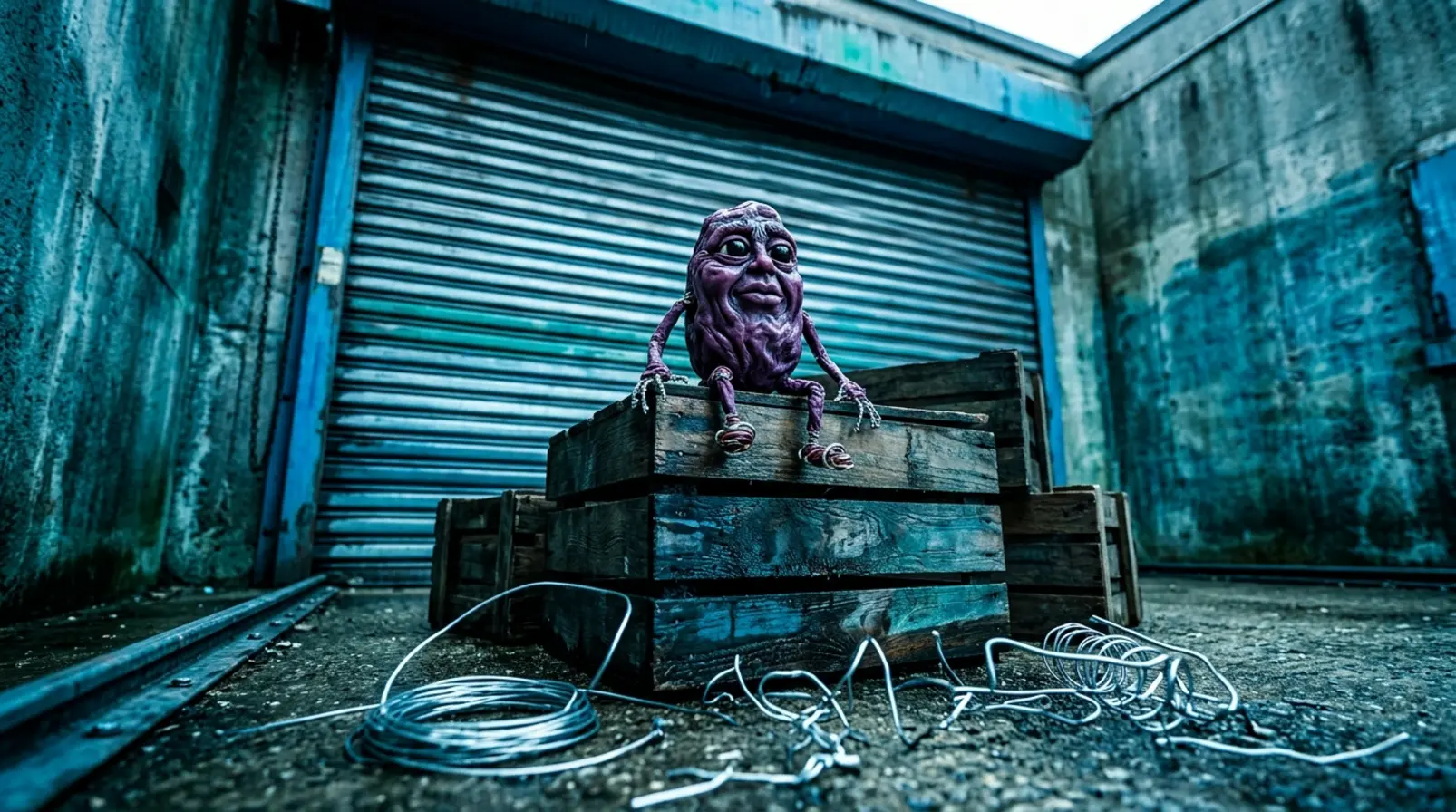

Portland is spending this week behaving like a city that already has a stop-motion museum. The Portland Festival of Cinema, Animation & Technology runs August 18 through 23 at OMSI with more than 170 films, including more than 30 stop-motion works. Its program includes the “Attack of the Puppet People” panel, presented by Brian Capati of the Museum of Stop Motion Animation alongside producer Melanie Coombs, and an August 22 Creator Expo where visitors can see original puppets and production materials.
There is one conspicuous thing missing: the Museum of Stop Motion Animation does not yet have a permanent museum. MOSMA says it is “building a home for stop motion,” but its current support page describes a public brick-and-mortar museum in downtown Portland as the goal. For now, the organization devoted to preserving Portland’s stop-motion history has to present that history in other people’s rooms.
A Five-Decade Stop-Motion Legacy
The material for such a museum is not difficult to find. Will Vinton Production was founded in Portland in 1975 and incorporated as Will Vinton Studios in 1984. Vinton’s studio helped turn clay animation into a commercial language, most famously through the California Raisins, which arrived in 1986 and became an advertising phenomenon.
The local industry eventually became larger than Vinton’s studio. LAIKA followed with features including Coraline and Kubo and the Two Strings. Henry Selick later made Wendell & Wild just outside Portland, while hundreds of artists worked on Guillermo del Toro’s Pinocchio at ShadowMachine in Portland. LAIKA’s next feature, Wildwood, is currently scheduled to open nationwide on October 23, 2026.
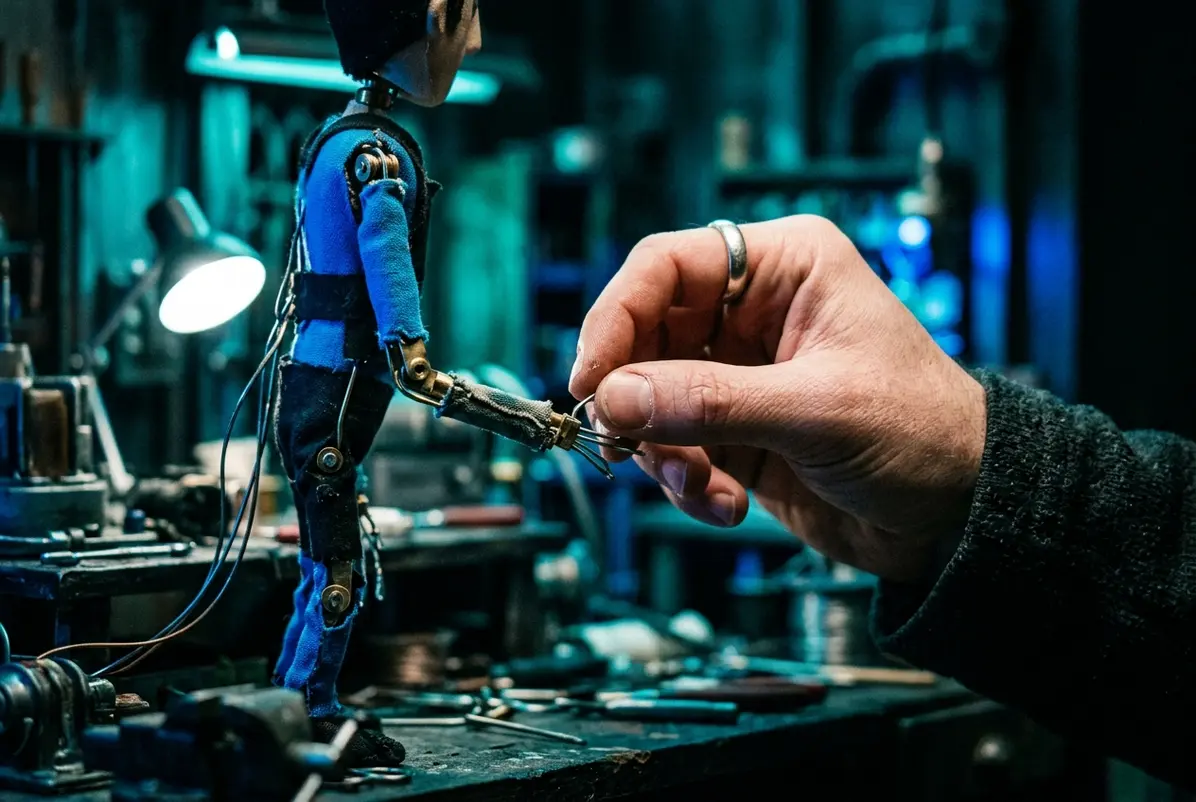
That history is unusually physical. Stop-motion films leave behind puppets, miniature costumes, sets, replacement faces, props, rigs and armatures—the objects that were actually moved beneath lights and photographed into finished scenes. They are production tools, but once filming ends they also become artifacts.
The Medium Leaves Objects Behind
PFCAT makes that physical history unusually visible. This year’s program includes the U.S. premiere of Heinrich Sabl’s Memory Hotel, a stop-motion feature more than 25 years in the making, alongside Portland premieres of Siqi Song’s She Creates Change: Dewmini and Rob Shaw’s You Play Too Much, which features voice work from Fred Armisen.
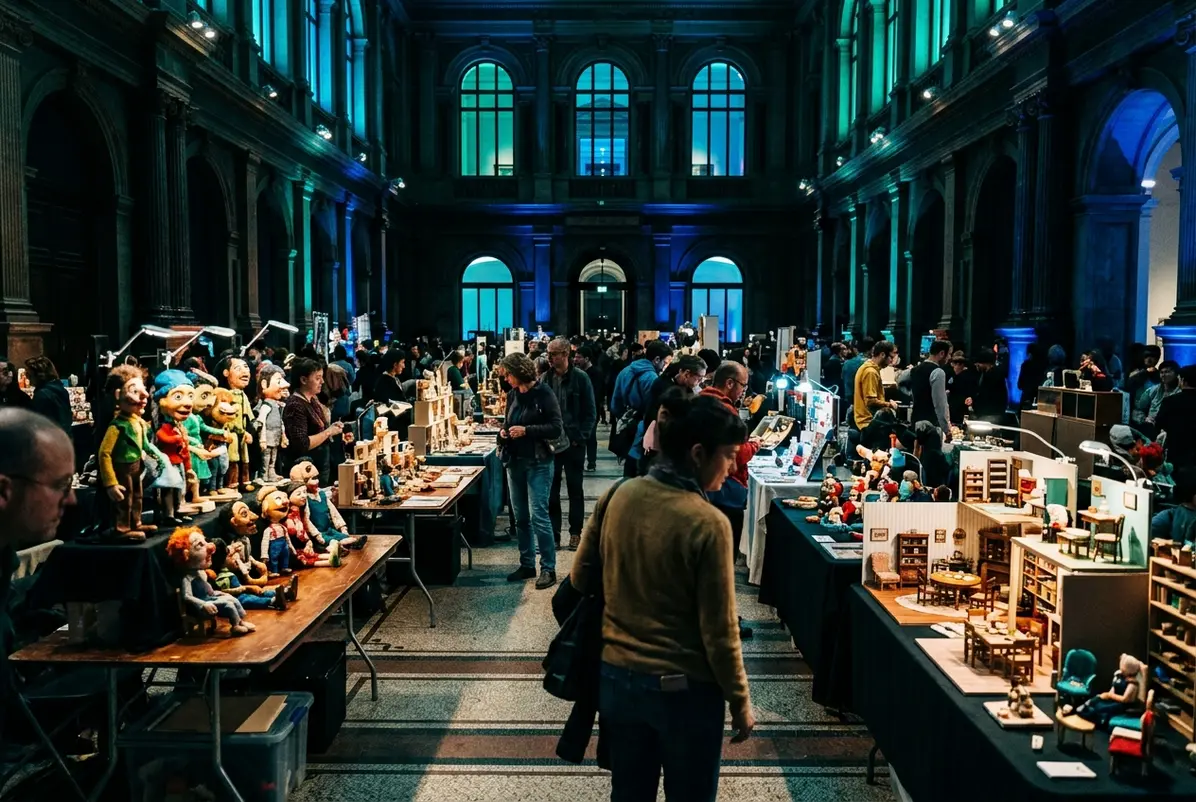
The Creator Expo pushes the idea further by putting original puppets and production materials in front of the public. That is where a stop-motion museum has an advantage over an archive devoted entirely to finished films: much of the medium’s history can still be picked up, examined and understood as something people physically built.
A Museum Project Inside a Video Store
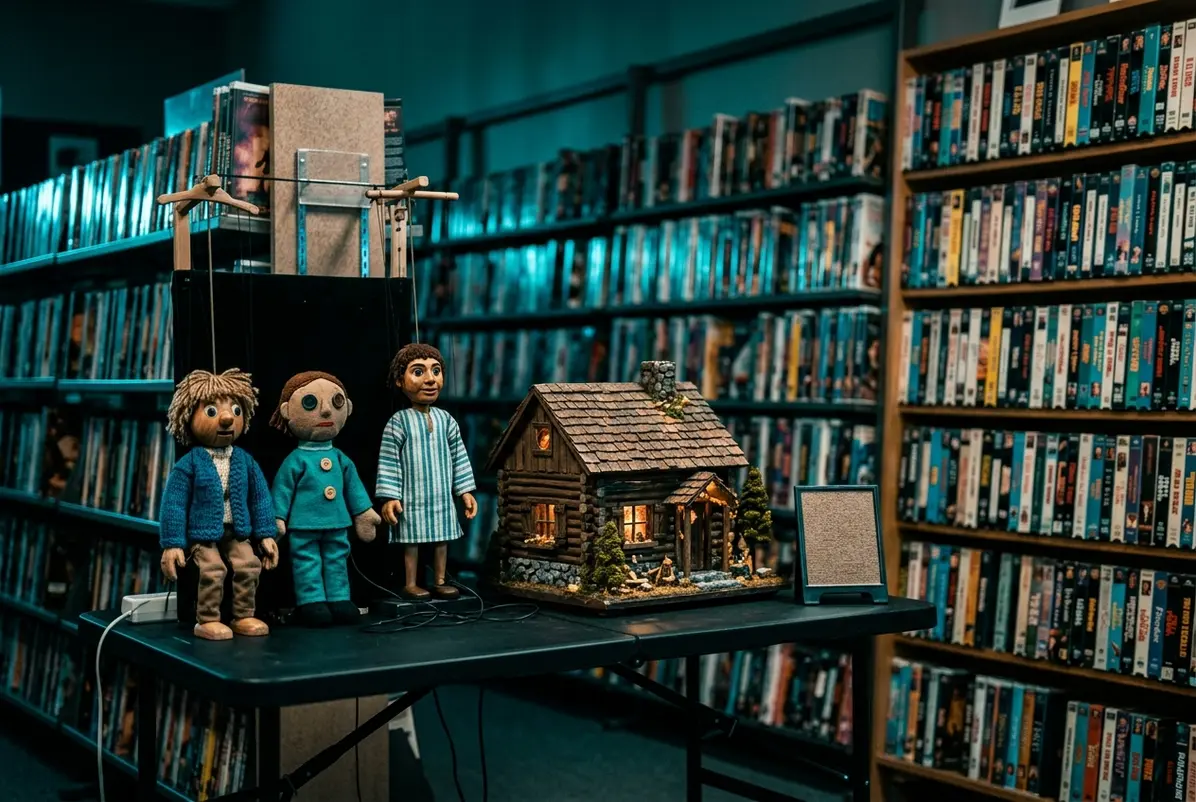
MOSMA has already been doing versions of that work without possessing the building its name implies. On July 19, 2025, the organization held a public event at Movie Madness. The video store displayed puppets made by local fabricator Katy Strutz and the cabin set from the locally produced stop-motion short The Tin Woods. Fabricator Suzanne Moulton and other stop-motion professionals were there to discuss miniature costuming, puppet construction, scenic work and prop painting.
The same event listing identifies MOSMA as a nonprofit founded by Capati in 2022 and describes its mission as establishing a permanent museum in Portland. Until that happens, events like the Movie Madness display function as fragments of the institution MOSMA wants to become: an object here, a maker explaining a technique there, a temporary exhibition assembled between the normal functions of another venue.
This week’s festival expands that temporary version of the museum across OMSI. There are screenings, animator discussions and a Creator Expo filled with the kinds of objects a permanent institution could preserve and interpret year-round. Portland already has decades of productions, working artists and surviving material. MOSMA’s missing piece is not a subject worthy of a museum. It is the museum itself.
For now, Portland’s stop-motion history keeps appearing wherever someone can make room for it: inside a science museum, inside a video store, inside a festival program. The puppets already have stories. The unresolved question is where they go when the display cases come down.
'%3e%3cg id='Final-Copy-2_2_' transform='translate(1275.000000, 200.000000)'%3e%3cpath class='st0' d='M7.4,12.8h6.8l3.1-11.6H7.4C4.2,1.2,1.6,3.8,1.6,7S4.2,12.8,7.4,12.8z'/%3e%3c/g%3e%3c/g%3e%3c/g%3e%3cg id='final---dec.11-2020'%3e%3cg id='_x30_208-our-toggle' transform='translate(-1275.000000, -200.000000)'%3e%3cg id='Final-Copy-2' transform='translate(1275.000000, 200.000000)'%3e%3cpath class='st1' d='M22.6,0H7.4c-3.9,0-7,3.1-7,7s3.1,7,7,7h15.2c3.9,0,7-3.1,7-7S26.4,0,22.6,0z M1.6,7c0-3.2,2.6-5.8,5.8-5.8 h9.9l-3.1,11.6H7.4C4.2,12.8,1.6,10.2,1.6,7z'/%3e%3cpath id='x' class='st2' d='M24.6,4c0.2,0.2,0.2,0.6,0,0.8l0,0L22.5,7l2.2,2.2c0.2,0.2,0.2,0.6,0,0.8c-0.2,0.2-0.6,0.2-0.8,0 l0,0l-2.2-2.2L19.5,10c-0.2,0.2-0.6,0.2-0.8,0c-0.2-0.2-0.2-0.6,0-0.8l0,0L20.8,7l-2.2-2.2c-0.2-0.2-0.2-0.6,0-0.8 c0.2-0.2,0.6-0.2,0.8,0l0,0l2.2,2.2L23.8,4C24,3.8,24.4,3.8,24.6,4z'/%3e%3cpath id='y' class='st3' d='M12.7,4.1c0.2,0.2,0.3,0.6,0.1,0.8l0,0L8.6,9.8C8.5,9.9,8.4,10,8.3,10c-0.2,0.1-0.5,0.1-0.7-0.1l0,0 L5.4,7.7c-0.2-0.2-0.2-0.6,0-0.8c0.2-0.2,0.6-0.2,0.8,0l0,0L8,8.6l3.8-4.5C12,3.9,12.4,3.9,12.7,4.1z'/%3e%3c/g%3e%3c/g%3e%3c/g%3e%3c/g%3e%3c/svg%3e) Your Privacy Choices
Your Privacy Choices