

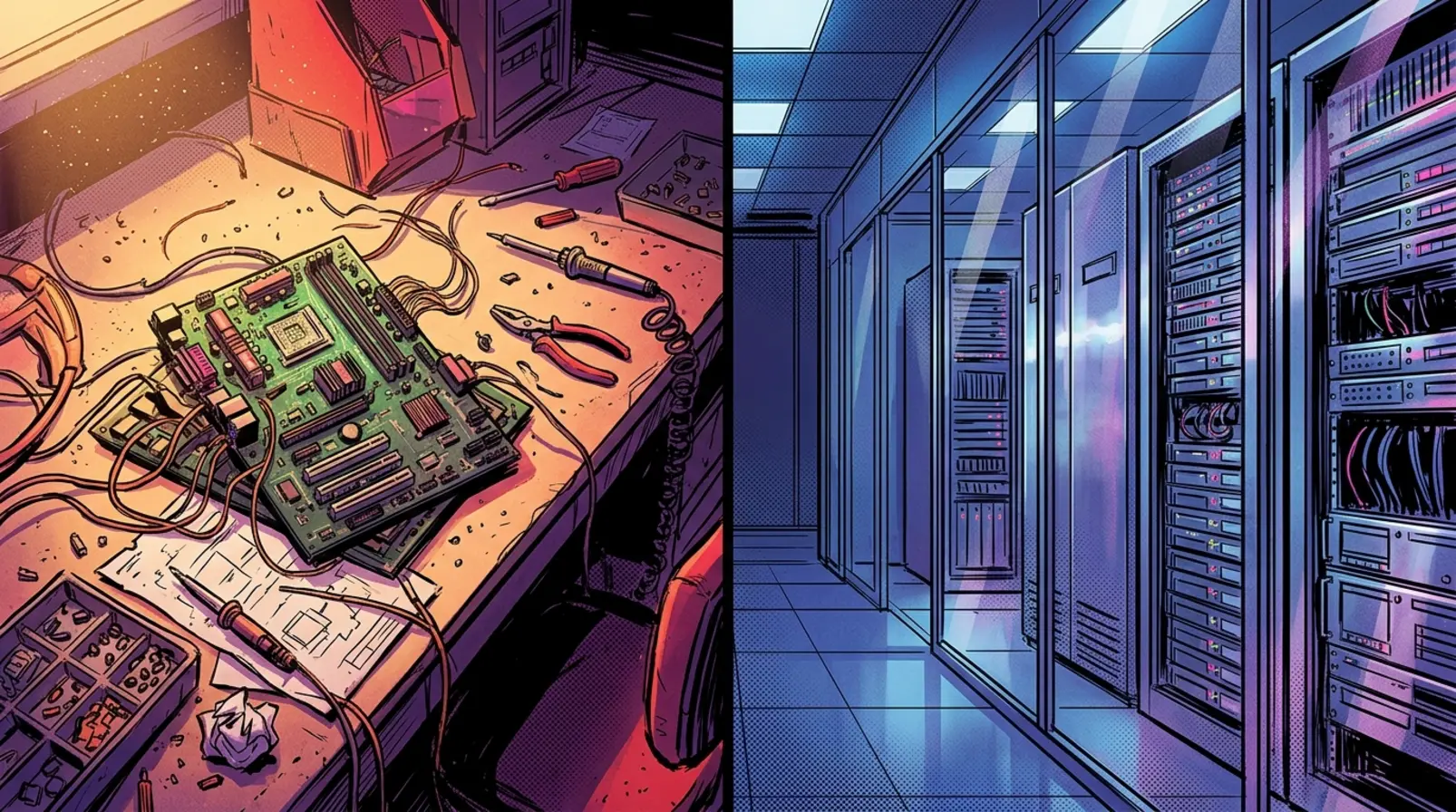

The Raspberry Pi IPO refers to the June 2024 listing of Raspberry Pi Holdings plc on the London Stock Exchange, transforming the maker community‘s beloved single-board computer company from a charity-controlled subsidiary into a publicly traded corporation. The move valued Raspberry Pi at approximately £542 million ($690 million) and raised questions about whether the company’s educational and hobbyist roots would sit comfortably alongside the pressures of public markets. (investors.raspberrypi.com)
Raspberry Pi IPO: From Cambridge Lab to London Stock Exchange
The Raspberry Pi Foundation was established in 2008 by Eben Upton, David Braben, Jack Lang, Pete Lomas, Rob Mullins, and Alan Mycroft, and was formally registered as a charity in 2009, emerging from Cambridge’s computing ecosystem as a UK-based educational charity. (raspberrypi.org) The mission was direct: put cheap, programmable computers into the hands of students. The tiny, credit-card-sized computer became one of the most cherished items in the global hobbyist and maker community because of its affordability, with the original Model B launching at $35 and that price point remaining central to the Raspberry Pi story for years. (raspberrypi.com)
By 2023, the picture had shifted considerably. Since 2012, Raspberry Pi had sold over 60 million single-board computers and compute modules, according to its IPO materials. (investors.raspberrypi.com) Although the company said the enthusiast and education market represented the “heart” of the Raspberry Pi movement, management estimates in IPO materials put the industrial and embedded sector at 72 percent of SBC and compute-module unit sales in 2023, while the enthusiast and education segment accounted for 28 percent. (theregister.com) That ratio registers as a quiet earthquake for a brand built on weekend projects and school computer labs.
On May 22, 2024, Raspberry Pi confirmed its plans to float on the London Stock Exchange, targeting a June listing. (sharecast.com) The company said it would issue new shares to raise $40 million, with net proceeds earmarked for engineering capital expenditure, supply chain resilience, and general corporate purposes. (sharecast.com) Semiconductor and software designer Arm agreed to buy $35 million of shares in the IPO, and Lansdowne Partners agreed to buy up to $20 million. (sharecast.com)
On June 11, 2024, Raspberry Pi priced its IPO at £2.80 per share, valuing the company at £542 million ($690 million). (techcrunch.com) Shares soared as much as 40% in early trading before settling around £3.85, roughly 38% above the listing price. (cnn.com) The IPO raised £166 million ($211 million), making it Britain’s second-biggest that year, according to data provider Dealogic. (cnn.com)
The Shortage Years That Shaped Raspberry Pi’s IPO Story
No honest account of the IPO can skip the years that preceded it. Despite significantly increased demand, Raspberry Pi produced around seven million units in 2021, the same as 2020, while warning that shortages of some products and supply chain challenges were expected to continue through much of 2022. (raspberrypi.com) For hobbyists, the effects were brutal.
Scalpers honed in on the supply shortage, firing up stock-buying bots to swoop when a few units appeared so they could sell at inflated prices, according to TechCrunch’s 2022 interview with Eben Upton. (techcrunch.com) On Amazon, Pi Zero 2 W units were listed at $99 and Pi 4 8GB boards at $187 (jamesachambers.com), multiples of their official retail prices. Online forums and guides filled with hobbyists swapping tips on stock-tracking bots, authorized reseller queues, and alternative machines for projects that had been waiting on boards. (jamesachambers.com) Some posters described giving up on Pi availability and moving certain home-server jobs to refurbished mini PCs or competing boards. (reddit.com)
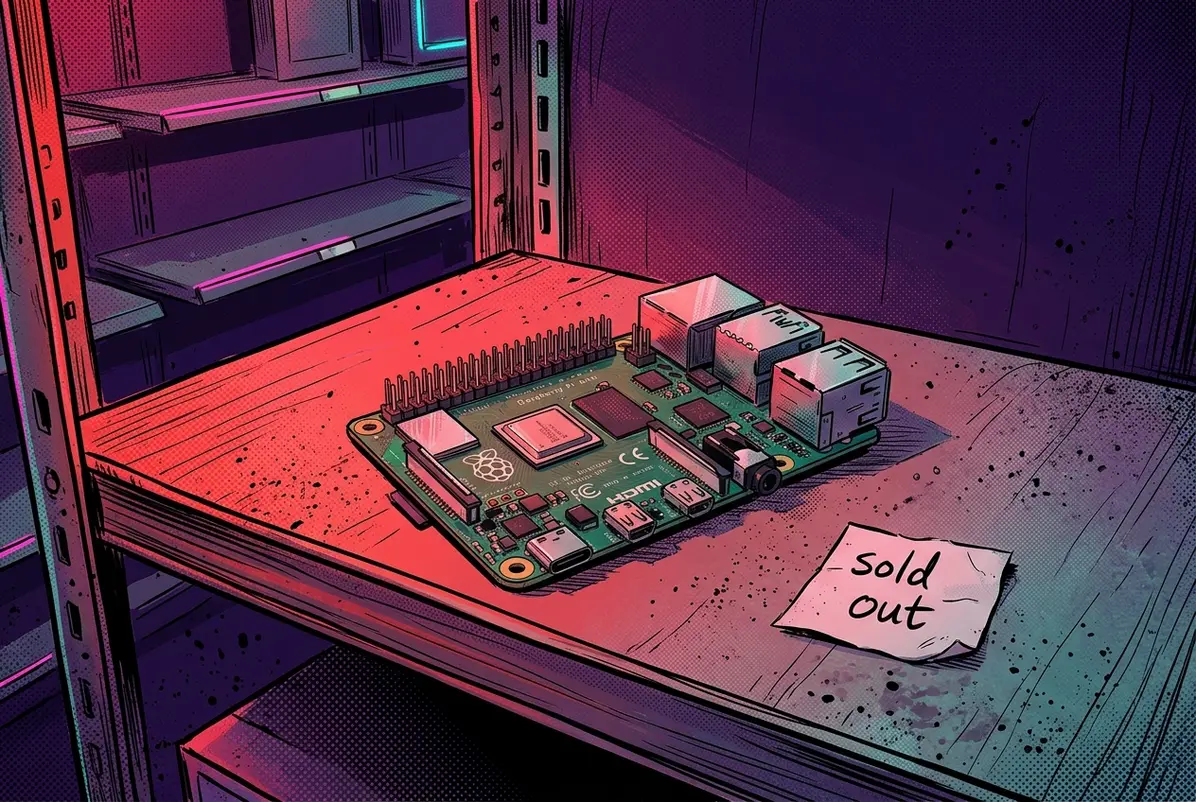
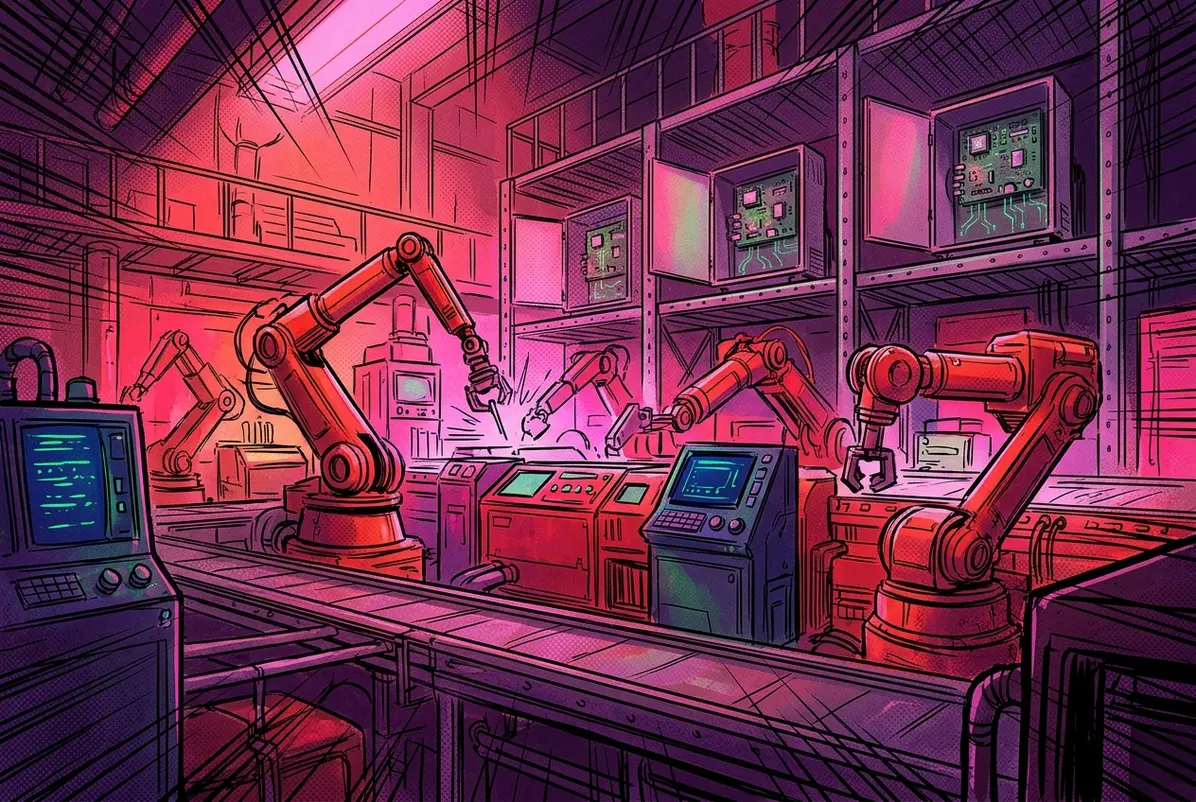
During the semiconductor shortage, Raspberry Pi said supply to industrial customers had been prioritized, which resulted in a higher direct share of sales compared to historical performance. (research-tree.com) That decision, however rational from a business continuity standpoint, landed as a betrayal among some of the tinkerers who had evangelized the platform for a decade. The resentment was real in community discussion, and it colored everything that followed. (techcrunch.com)
Raspberry Pi IPO: The Structural Split Between Charity and Company
One of the most persistent sources of confusion around the Raspberry Pi IPO is the relationship between the charity and the commercial entity. On May 22, 2024, the Foundation announced its intention to list its commercial subsidiary, Raspberry Pi Ltd, on the Main Market of the London Stock Exchange. (raspberrypi.org) The Foundation would remain a significant shareholder and continue to share the Raspberry Pi brand, with a goal of supporting the company’s mission to make computing accessible and affordable for everybody. (raspberrypi.org)
Before the IPO, Raspberry Pi Ltd had donated nearly $50 million from its profits to the Foundation, which the Foundation used to advance its educational mission combined with over $60 million in funding from philanthropy, sponsorship, and contracts for educational services. (raspberrypi.org) As of April 27, 2026, after a later sell-down, Raspberry Pi Foundation held about 41.0% of Raspberry Pi Holdings’ voting rights, while Arm Technology Investments 2 Limited held about 13.1%. (investegate.co.uk) (investegate.co.uk)
Newcomers to the story keep asking some version of the same question: how can a nonprofit IPO? The answer is that it didn’t. The commercial subsidiary did. But the distinction, while legally clean, feels slippery in practice. Once public market incentives enter the picture, the charity’s influence becomes one voice among many shareholders, not an override switch.
Raspberry Pi Stock Performance: Growing Pains in Public
Shares in the company were initially priced at 280p each and rose to 420p by the end of the first week. (jbs.cam.ac.uk) Since then, the trajectory has been volatile but broadly upward. In 2025, Raspberry Pi Holdings’ revenue reached $323.2 million, an increase of 25% compared to the previous year’s $259.5 million. (investors.raspberrypi.com) Earnings were $21.7 million, according to StockAnalysis, and the company’s official results reported profit before tax of $26.5 million. (stockanalysis.com) (investors.raspberrypi.com)
In early June 2026, Raspberry Pi surged over 20% after the company said first-half profitability would be “materially ahead” of 2025 and upgraded its full-year outlook. (investing.com) The stock opened at 906p and hit an intraday high of 963.50p in early trading reports, having risen roughly 42% since mid-May 2026. (investing.com) As of June 2026, CompaniesMarketCap estimated Raspberry Pi’s market capitalization at about $2.7 billion. (companiesmarketcap.com) By any corporate measure, the IPO has been a success.
But corporate success and community satisfaction are different currencies.
Raspberry Pi Price Increases and the DRAM Crisis
The most concrete post-IPO grievance has nothing to do with shareholder governance and everything to do with sticker shock. In early 2026, Raspberry Pi announced further price increases driven by what it called an unprecedented rise in the cost of LPDDR4 memory, citing competition for memory fab capacity from the AI infrastructure rollout, with costs of some parts more than doubling over the preceding quarter. (raspberrypi.com)
Against that DRAM backdrop, the top-end Raspberry Pi 5 model with 16GB of memory reached $205 in February 2026, roughly 70% more than its original $120 price. (tomshardware.com) A subsequent April 2026 round of official increases added another $100 to the 16GB Raspberry Pi 5 line, pushing high-memory Pi 5 pricing near the $300 mark at retail. (raspberrypi.com) For a board that once defined itself by the number $35, that figure comes across as a different product entirely.
Prominent community voice Jeff Geerling argued that LPDDR chips now account for the majority of board cost and that boards with more than 4GB of RAM are increasingly hard to justify for hobbyist use (jeffgeerling.com), and the problem extends beyond Raspberry Pi to other SBC vendors. Upton has described the pressure as “painful but ultimately temporary” and Raspberry Pi has said it will reverse price increases once memory costs abate. (raspberrypi.com)
Whether that commitment holds under shareholder scrutiny remains, for some in the community, the open question. There’s a case to be made that margins which expand during a crisis can be difficult for any public company to unwind quickly. The community’s wariness on this point feels earned, not paranoid.
Raspberry Pi IPO: The Hobbyist Case For and Against
Enthusiast discussion online reads as wary and bruised rather than uniformly hostile. The recurring fear is that the IPO formalizes what many already sensed during the shortage years: Raspberry Pi is no longer primarily the cheap education-and-hobby board they fell in love with, but a public company whose largest unit-sales segment is industrial and embedded buyers. Threads connect the IPO to higher prices, scarce retail stock, and the suspicion that shareholder pressure could push the company further from hobbyists. (reddit.com)
The strongest countercurrent is pragmatic. Some community members contend that the industrial market is not a betrayal but the reason the platform has survived, scaled, and maintained its unusually strong software support. A repeated defense holds that rival boards may be cheaper or faster on paper, but they often lack the long-lived kernels, documentation, examples, accessories, and user base that make Pi projects easier to finish. (reddit.com) That line of reasoning turns into a surprising pro-IPO or wait-and-see position: more capital could fund better silicon, more R&D, and the educational foundation. The real test, by this logic, is behavior after listing, not the listing itself.
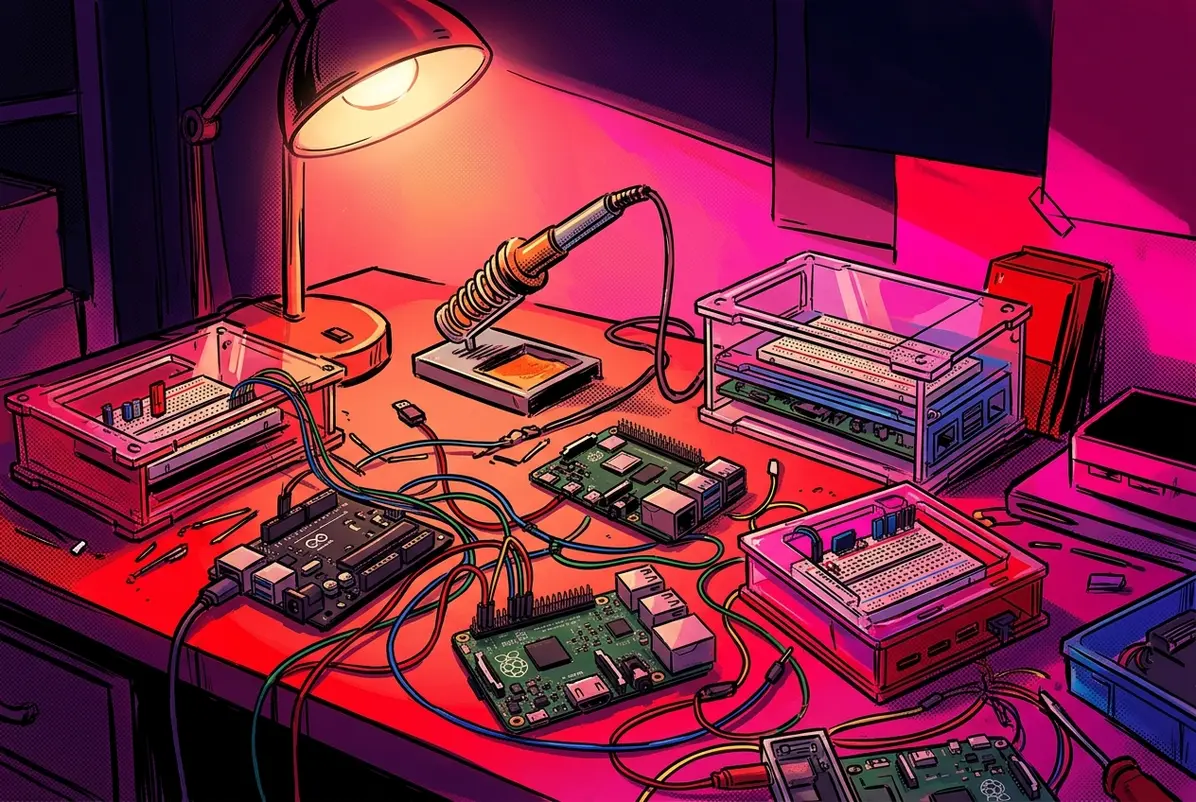
First-hand anecdotes carry much of the emotion. Hobbyists describe years of failing to find boards at MSRP and moving home servers to refurbished mini PCs, while embedded users describe Compute Modules as valuable precisely because they avoid custom Linux-board pain. (reddit.com) Industrial commenters split sharply: some say Pi-class boards can replace overbuilt PLC setups in simple factory tasks, while others insist that ruggedness, safety failure modes, and certified installation still make that naïve. (reddit.com) The overall mood lands somewhere between anxious nostalgia and grudging respect. People resent the perceived cost of growing up, but many also admit the ecosystem remains hard to quit.
What Raspberry Pi’s IPO Means for Maker Culture
There’s a case to be made that the Raspberry Pi IPO is less a betrayal and more a mirror. The maker movement itself has matured. The people who soldered their first GPIO headers in 2012 now specify Compute Modules for factory floors. The educational mission hasn’t vanished, but it competes for attention with quarterly earnings calls and DRAM futures.
Before the listing, Upton told Ars Technica that the IPO would let the not-for-profit side expand by “at least a factor of 2X,” and that while concerns were “an understandable thing,” he did not expect people to see any change in how things are run while he remains involved. (arstechnica.com) That personal assurance carries weight today. It may carry less weight in five years, or under a different CEO.
In FY 2025, Raspberry Pi recorded revenues of $323.2 million, an increase of 25 percent on 2024 (investors.raspberrypi.com), and the stock has rewarded investors handsomely. For the maker who just wants a $35 board to run Pi-hole on, the numbers on the earnings report feel like dispatches from a parallel universe. The Raspberry Pi IPO hasn’t killed the hobbyist dream. But it has made clear that the hobbyist dream is no longer the main plot.
Raspberry Pi IPO: Frequently Asked Questions
When did Raspberry Pi go public?
Raspberry Pi priced its IPO on the London Stock Exchange on June 11, 2024, at £2.80 per share, valuing it at £542 million ($690 million). (techcrunch.com) Admission to trading followed on June 14, 2024. (investors.raspberrypi.com)
How can a nonprofit IPO?
The nonprofit Raspberry Pi Foundation listed its commercial subsidiary, Raspberry Pi Ltd, through Raspberry Pi Holdings plc as a public company. The Foundation remains a significant shareholder and continues to share the Raspberry Pi brand. (raspberrypi.org) The charity itself did not go public.
Does the Raspberry Pi Foundation still own shares?
Yes. As of an April 27, 2026 RNS filing, the Raspberry Pi Foundation held about 41.0% of Raspberry Pi Holdings’ voting rights, after previously holding about 46.6%. (investegate.co.uk) Arm Technology Investments 2 Limited held about 13.1% after increasing its stake in April 2026. (investegate.co.uk)
Why have Raspberry Pi prices increased?
The increases are driven, according to Raspberry Pi, by an unprecedented rise in the cost of LPDDR4 memory, linked to competition for memory fab capacity from the AI infrastructure rollout, with costs of some parts more than doubling over a single quarter. (raspberrypi.com) Raspberry Pi has described the situation as challenging but temporary and said it will reverse price increases when memory costs abate. (raspberrypi.com)
What percentage of Raspberry Pi sales go to industrial customers?
As of 2023, management estimates in Raspberry Pi’s IPO materials put industrial and embedded customers at 72 percent of SBC and compute-module unit sales, with the enthusiast and education sector accounting for 28 percent. (theregister.com)
Is the Raspberry Pi IPO good or bad for hobbyists?
That depends on what happens next. The listing has delivered strong financial results and funded continued R&D. But price increases, DRAM-driven or otherwise, and the structural tilt toward industrial buyers have left many hobbyists feeling like secondary customers. Upton has stated that while he is involved in running the company, he does not expect people to see any change in how things are done. (arstechnica.com) Whether that promise survives the pressures of public ownership is the question the community continues to watch.
'%3e%3cg id='Final-Copy-2_2_' transform='translate(1275.000000, 200.000000)'%3e%3cpath class='st0' d='M7.4,12.8h6.8l3.1-11.6H7.4C4.2,1.2,1.6,3.8,1.6,7S4.2,12.8,7.4,12.8z'/%3e%3c/g%3e%3c/g%3e%3c/g%3e%3cg id='final---dec.11-2020'%3e%3cg id='_x30_208-our-toggle' transform='translate(-1275.000000, -200.000000)'%3e%3cg id='Final-Copy-2' transform='translate(1275.000000, 200.000000)'%3e%3cpath class='st1' d='M22.6,0H7.4c-3.9,0-7,3.1-7,7s3.1,7,7,7h15.2c3.9,0,7-3.1,7-7S26.4,0,22.6,0z M1.6,7c0-3.2,2.6-5.8,5.8-5.8 h9.9l-3.1,11.6H7.4C4.2,12.8,1.6,10.2,1.6,7z'/%3e%3cpath id='x' class='st2' d='M24.6,4c0.2,0.2,0.2,0.6,0,0.8l0,0L22.5,7l2.2,2.2c0.2,0.2,0.2,0.6,0,0.8c-0.2,0.2-0.6,0.2-0.8,0 l0,0l-2.2-2.2L19.5,10c-0.2,0.2-0.6,0.2-0.8,0c-0.2-0.2-0.2-0.6,0-0.8l0,0L20.8,7l-2.2-2.2c-0.2-0.2-0.2-0.6,0-0.8 c0.2-0.2,0.6-0.2,0.8,0l0,0l2.2,2.2L23.8,4C24,3.8,24.4,3.8,24.6,4z'/%3e%3cpath id='y' class='st3' d='M12.7,4.1c0.2,0.2,0.3,0.6,0.1,0.8l0,0L8.6,9.8C8.5,9.9,8.4,10,8.3,10c-0.2,0.1-0.5,0.1-0.7-0.1l0,0 L5.4,7.7c-0.2-0.2-0.2-0.6,0-0.8c0.2-0.2,0.6-0.2,0.8,0l0,0L8,8.6l3.8-4.5C12,3.9,12.4,3.9,12.7,4.1z'/%3e%3c/g%3e%3c/g%3e%3c/g%3e%3c/g%3e%3c/svg%3e) Your Privacy Choices
Your Privacy Choices