

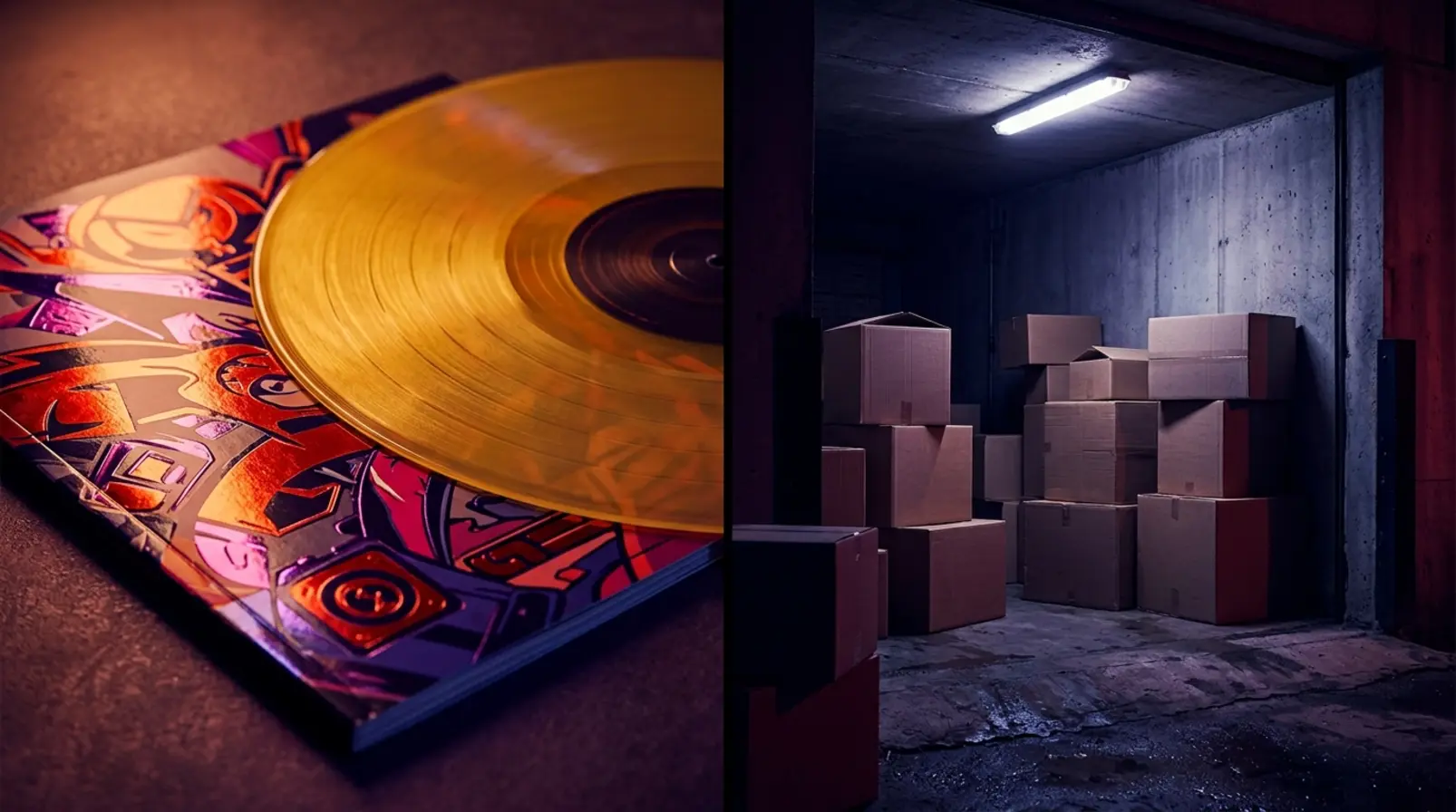

The pitch is almost too good. A fan’s favorite band gets a graphic novel. The deluxe bundle includes an exclusive vinyl pressing, maybe a signed edition, maybe a figurine, maybe a collector card, maybe a slipcase built to look important on a shelf. The preorder page glows with the band’s branding. Credit card details go in. And then, for some buyers, the waiting begins.
Z2 Comics is a New York-based publisher of graphic novels and comics that specializes in collaborations with musicians, describing its work as storytelling through “the marriage of sound and image” on its Bandcamp profile. Its predecessor, Zip Comics, was launched by Josh Frankel in 2010, then relaunched as Z2 Comics in 2014 with projects involving Paul Pope and Dean Haspiel, according to Publishers Weekly. The company later pivoted hard into music-related graphic novels and collectibles, building a roster that has included Gorillaz, Blondie, Elvis Presley, Joan Jett, the Grateful Dead, Machine Gun Kelly, Mötley Crüe, the Doors, Anthrax, Public Enemy, Dream Theater, GWAR, and many more.
The concept lands as genuinely exciting. Comics and rock music have always been adjacent cultures, overlapping in aesthetic and attitude but rarely in product. Z2 found the seam. As Publishers Weekly noted in 2022, Z2 “evolved into its current business model in 2019” and had released more than 50 titles in the previous two and a half years, almost all based on IP licensed from the music industry.
The Bundle Is the Product
Where things get complicated is the bundle. Z2’s standard editions tend to look more like conventional graphic-novel releases. But the company’s deluxe, super deluxe, and signed platinum tiers are the visible crown jewels of its direct-to-consumer identity. Current and recent listings on Z2’s own store include a Dream Theater deluxe vinyl bundle listed at $149.99, a GWAR signed super deluxe bundle listed at $200, and other premium packages that stack graphic novels with vinyl, art prints, slipcases, toys, cards, and signatures.
That is not just merchandise. It is a fan ritual turned into a retail architecture. The book is part of the appeal, but the object around the book is the fantasy. The bundle says: this is not merely a comic about the band. This is a limited shrine to the band, shipped directly to the faithful.
Z2’s own product language makes the fragility visible. A Vince Staples Limbo Beach super deluxe bundle page notes that bundled items are “subject to change or cancellation at any time by Z2 Comics,” and says purchasers assume the risk of such changes or cancellations. Similar language appears on other Z2 bundle pages. The clause may be ordinary risk management. It also reveals the strange bargain at the center of the model: the customer is buying a finished collectible before every piece of that collectible is fully under control.
Bad Faith Is the Easy Story
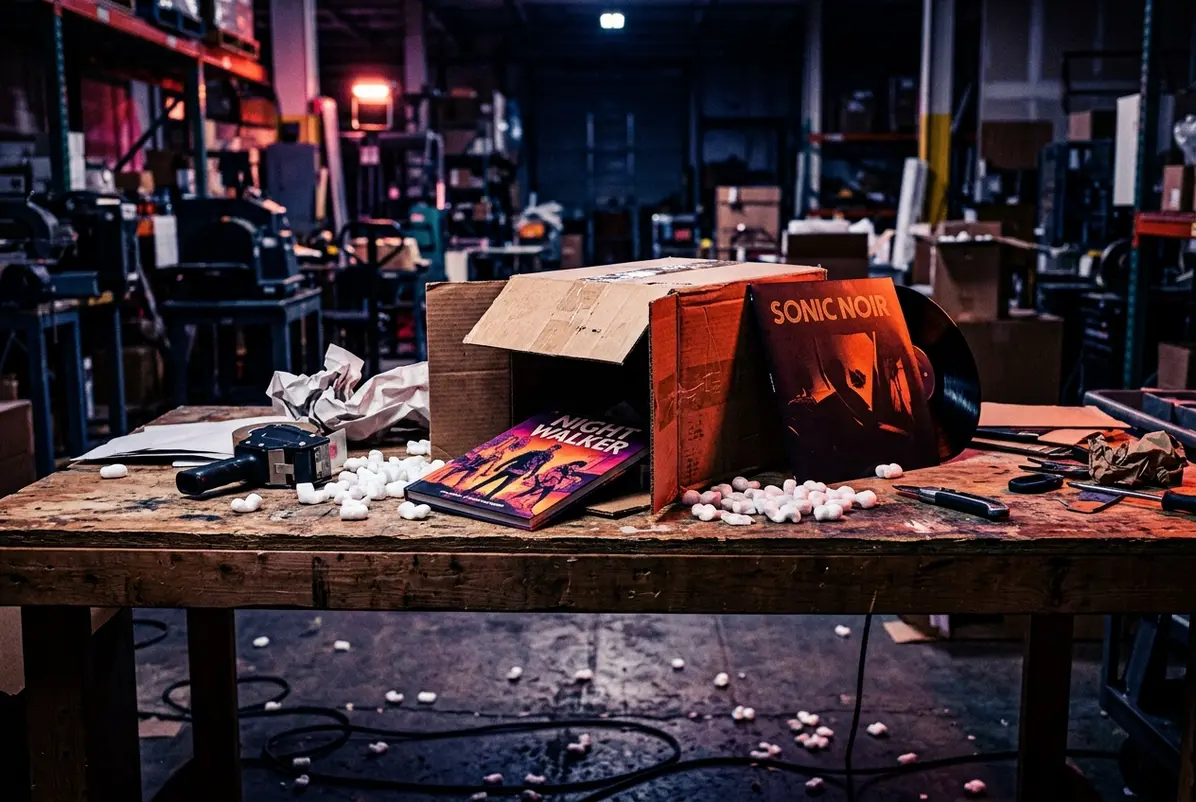
The public complaint trail is real enough to take seriously, but it has to be handled carefully. The Better Business Bureau complaint page for Z2 Comics lists complaints involving delivery issues, product issues, service issues, and sales or advertising issues. The most recent visible complaints include customers alleging missing bundle components, delayed preorders, unanswered messages, refund frustration, and incorrect items received. BBB also notes that Z2 is not BBB accredited.
That does not prove fraud. It does not prove a company-wide scam. BBB itself warns that it does not verify the accuracy of information provided by third parties and does not endorse any product, service, or business. Trustpilot shows a mixed profile as well, with positive reviews sitting beside older and recent complaints. The honest version is not that every customer experience is bad. The honest version is that enough public complaints cluster around fulfillment, communication, and preorder expectations to make the pattern worth writing about.
This is the fault line in the community debate. In public fan forums and review pages, the conversation follows a familiar arc. Someone asks whether Z2 is legit. Someone else posts a photo of a package they finally received. Then come the stories: long waits, partial shipments, unanswered emails, refund requests that buyers say stalled. The harshest customers use scam or bait-and-switch language, especially when the most desirable extras are the items they say arrived late, changed, or never arrived. But those remain consumer allegations, not findings.
The stronger read is more interesting anyway. The problem does not have to be bad faith to matter. It can be fragility.
The Fragile Machine
Z2 itself has acknowledged the difficulty of the model before. In a letter to readers, the company cited COVID-era printing delays, port slowdowns, shipping-container shortages, general shipping delays, and warehouse bottlenecks. It described deluxe editions and hardcovers as especially difficult, noting that some deluxe books had to be printed in Asia because North American hardcover capacity was backed up. The letter also said Z2’s warehouse was facing a backlog after receiving many shipments in a compressed period.
That explanation was reasonable in its moment. The pandemic did brutal things to printing, shipping, warehousing, and vinyl production. A small publisher coordinating books, records, boxes, signatures, prints, toys, and licensed approvals was always going to be vulnerable to every weak joint in the supply chain.
But the immediate pandemic explanation has aged, while later public complaints continued to appear. A 2024 BBB complaint, for example, described a $250 box set ordered on February 17, 2024, with a Spring 2024 release date and repeated attempts to contact the company about an updated timeline. Other 2024 and 2025 complaints on the same BBB page describe similar frustrations around delivery, missing items, and communication. Again, these are complaints, not court findings. But they point to the same structural issue: the bundle model asks fans to trust a long chain of dependencies they cannot see.
The Structural Tension
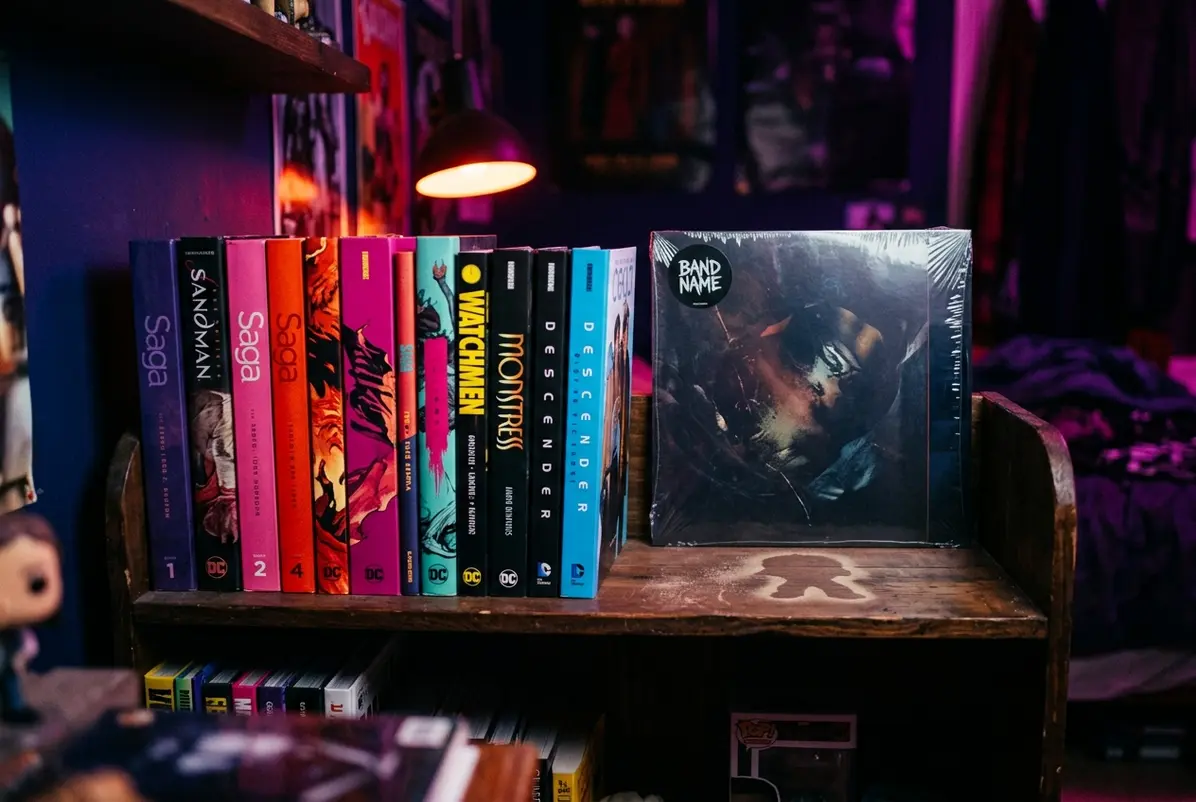
There is a case to be made that Z2’s core problem is not intent but architecture. The company essentially runs two businesses under one roof. One is a graphic-novel publisher with legitimate book-trade distribution. Simon & Schuster began distributing Z2 titles to the book trade in fall 2020, and that side of the operation has a recognizable publishing shape. The books move through the normal graphic-novel ecosystem. The art, by many accounts, is part of the draw. The concept has real cultural voltage.
The other business is a direct-to-consumer collectibles operation that takes payment through its own store, assembles multi-part packages, and then attempts to coordinate the manufacturing, approval, warehousing, and delivery of very different physical goods on a single fan-facing timeline. That second business is a different animal. It requires not just taste and licensing access, but logistics discipline: manufacturing partners, quality control, customer service, refund systems, warehouse capacity, and proactive updates when the machine slips.
At the 2025 ComicsPro event, Z2 announced a Direct-to-Retail program allowing retailers to order graphic novels directly from the publisher at a 50% wholesale price, with orders fulfilled from Z2’s warehouse and fulfillment center in Colorado. The program is also the channel for retailers to access Z2’s action figures, vinyl albums, and oversize deluxe editions, according to The Beat. That move can be read two ways. It could be Z2 getting its logistics under tighter control. It could also be the company doubling down on the exact fulfillment pipeline that has become the subject of so many public complaints. The interesting thing is that both readings can be true at once.
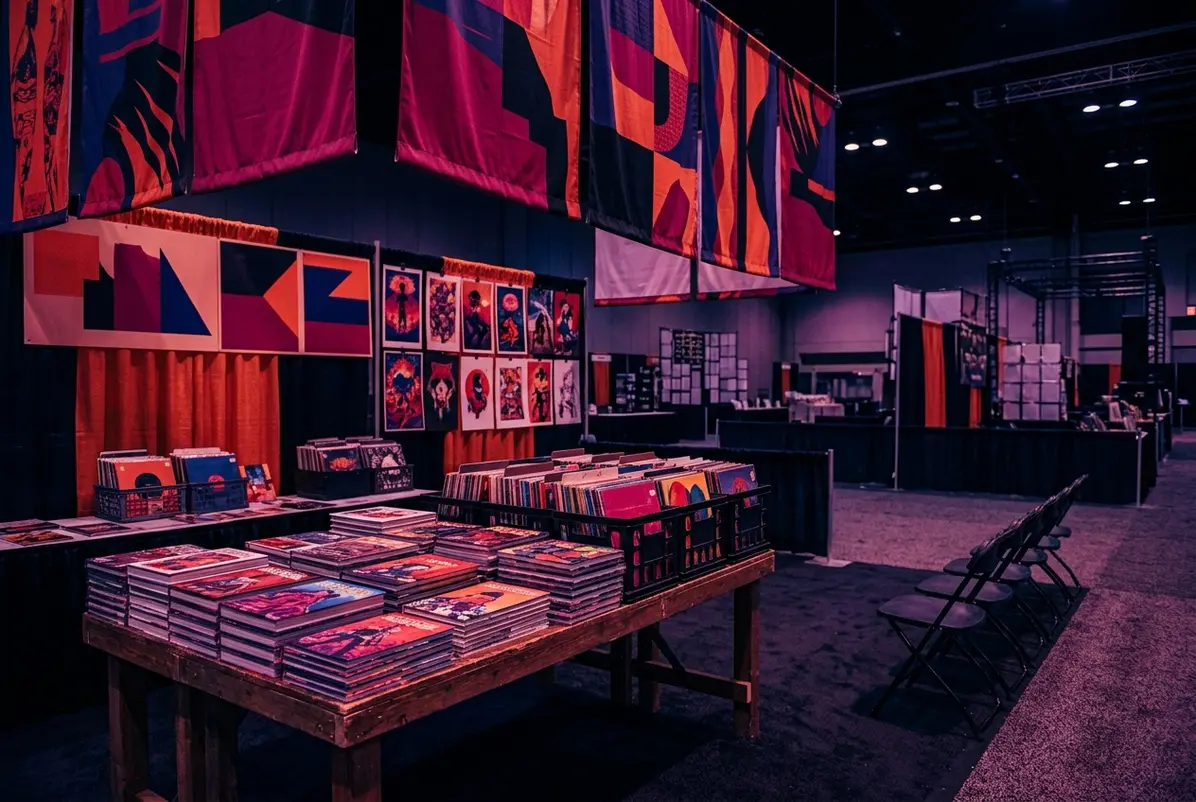
What Fans Actually Want
The striking thing about the conversation is how little of it has to be about the comics themselves. The idea of music-meets-comics remains strong. A band can be a mythology machine. A great album already comes with a world, a mood, a set of symbols, a private language. Comics are unusually good at turning that language into architecture. They can make liner notes into cities, choruses into monsters, stage personas into gods.
That is why Z2’s idea works. It understands that fandom does not live only in songs. It lives in objects, rituals, signatures, colors, inserts, variants, and the absurd private electricity of owning the version that feels closest to the source. The premium bundle is not an accident attached to the business. The premium bundle is the business speaking its clearest language.
But that is also why fulfillment matters so much. When a fan spends $150, $200, or more on a collector package because it carries the aura of a beloved artist, the transaction is not emotionally neutral. They are not just buying paper and vinyl. They are buying trust by association. If the package arrives late with clear updates, the irritation can survive. If the package arrives wrong, incomplete, or surrounded by silence, the frustration moves beyond shipping. It starts to contaminate the fantasy.
The fix is not mysterious. Z2 does not need to stop making deluxe bundles. It needs to make preorder risk clearer before checkout. It needs to communicate before customers have to chase. It needs to separate estimated release dates from wishful ones. It needs to make refunds boring, fast, and predictable. These are not radical demands. They are the baseline expectations of any direct-to-consumer operation that wants repeat customers instead of complaint-page archaeology.
The rockstar-to-retail pipeline is a beautiful idea. It turns albums into objects, fandom into shelves, and music history into something a reader can hold. But a pipeline is only as good as its weakest joint. For Z2, the question is no longer whether music and comics belong together. They obviously do.
The fantasy is rock and comics colliding. The test is whether the package arrives.
'%3e%3cg id='Final-Copy-2_2_' transform='translate(1275.000000, 200.000000)'%3e%3cpath class='st0' d='M7.4,12.8h6.8l3.1-11.6H7.4C4.2,1.2,1.6,3.8,1.6,7S4.2,12.8,7.4,12.8z'/%3e%3c/g%3e%3c/g%3e%3c/g%3e%3cg id='final---dec.11-2020'%3e%3cg id='_x30_208-our-toggle' transform='translate(-1275.000000, -200.000000)'%3e%3cg id='Final-Copy-2' transform='translate(1275.000000, 200.000000)'%3e%3cpath class='st1' d='M22.6,0H7.4c-3.9,0-7,3.1-7,7s3.1,7,7,7h15.2c3.9,0,7-3.1,7-7S26.4,0,22.6,0z M1.6,7c0-3.2,2.6-5.8,5.8-5.8 h9.9l-3.1,11.6H7.4C4.2,12.8,1.6,10.2,1.6,7z'/%3e%3cpath id='x' class='st2' d='M24.6,4c0.2,0.2,0.2,0.6,0,0.8l0,0L22.5,7l2.2,2.2c0.2,0.2,0.2,0.6,0,0.8c-0.2,0.2-0.6,0.2-0.8,0 l0,0l-2.2-2.2L19.5,10c-0.2,0.2-0.6,0.2-0.8,0c-0.2-0.2-0.2-0.6,0-0.8l0,0L20.8,7l-2.2-2.2c-0.2-0.2-0.2-0.6,0-0.8 c0.2-0.2,0.6-0.2,0.8,0l0,0l2.2,2.2L23.8,4C24,3.8,24.4,3.8,24.6,4z'/%3e%3cpath id='y' class='st3' d='M12.7,4.1c0.2,0.2,0.3,0.6,0.1,0.8l0,0L8.6,9.8C8.5,9.9,8.4,10,8.3,10c-0.2,0.1-0.5,0.1-0.7-0.1l0,0 L5.4,7.7c-0.2-0.2-0.2-0.6,0-0.8c0.2-0.2,0.6-0.2,0.8,0l0,0L8,8.6l3.8-4.5C12,3.9,12.4,3.9,12.7,4.1z'/%3e%3c/g%3e%3c/g%3e%3c/g%3e%3c/g%3e%3c/svg%3e) Your Privacy Choices
Your Privacy Choices