

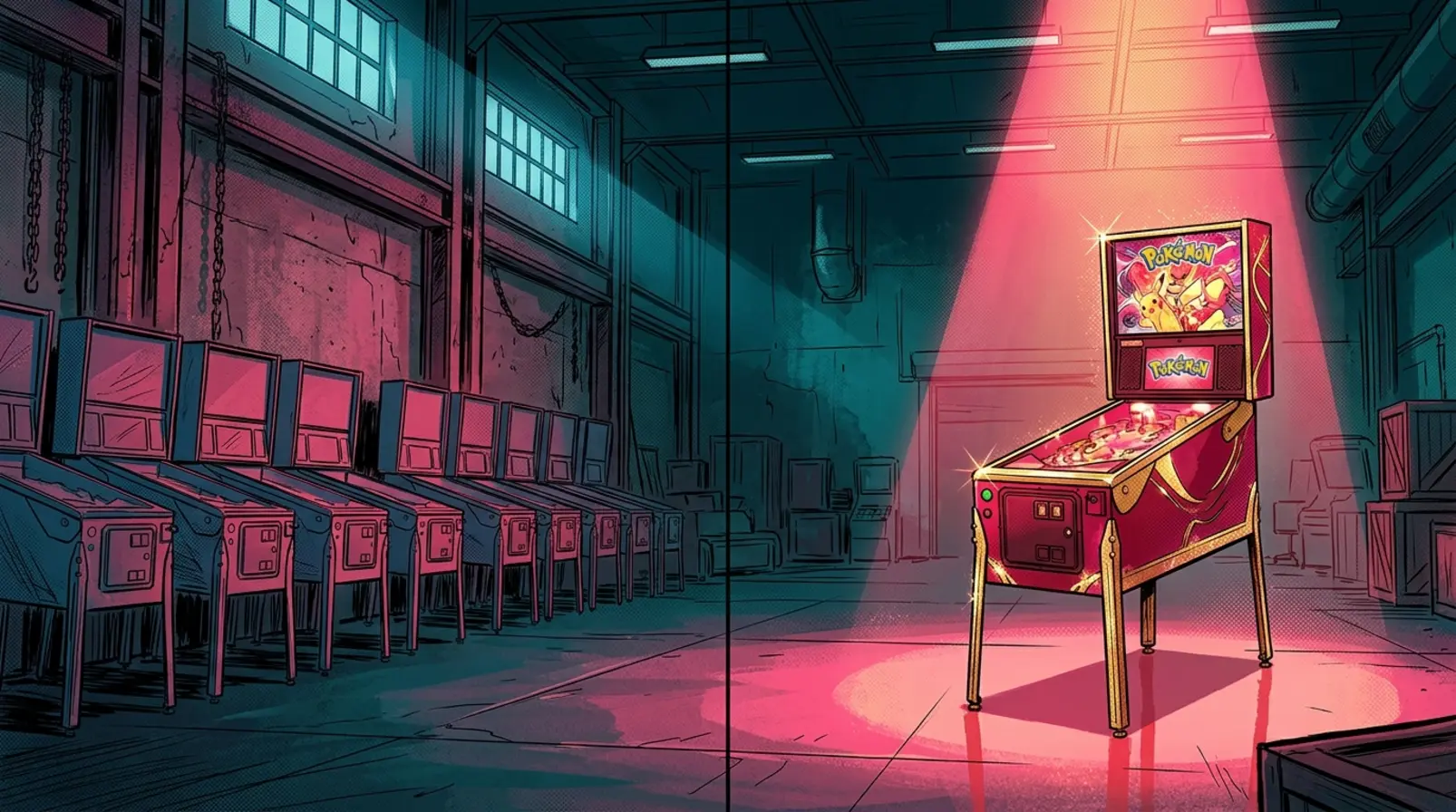

Stern Pinball’s Pokémon line makes the modern price ladder unusually easy to see. When the company released the machine in February 2026, the Pro listed for $6,999, the Premium for $9,699 and the Limited Edition for $12,999. Stern capped the LE at 750 machines worldwide. That leaves exactly $6,000 between the cheapest and most expensive versions of the same licensed game, according to Stern’s launch announcement.
The interesting part is not that Stern has suddenly produced a $13,000 pinball machine. It has not. The company’s James Bond 007 Limited Edition was already $12,999 in September 2022. Pokémon instead exposes how the price ladder works. Some of that $6,000 buys more pinball. The rest buys a particular version of the pinball.
The $6,000 Gap Is Really Two Upgrades
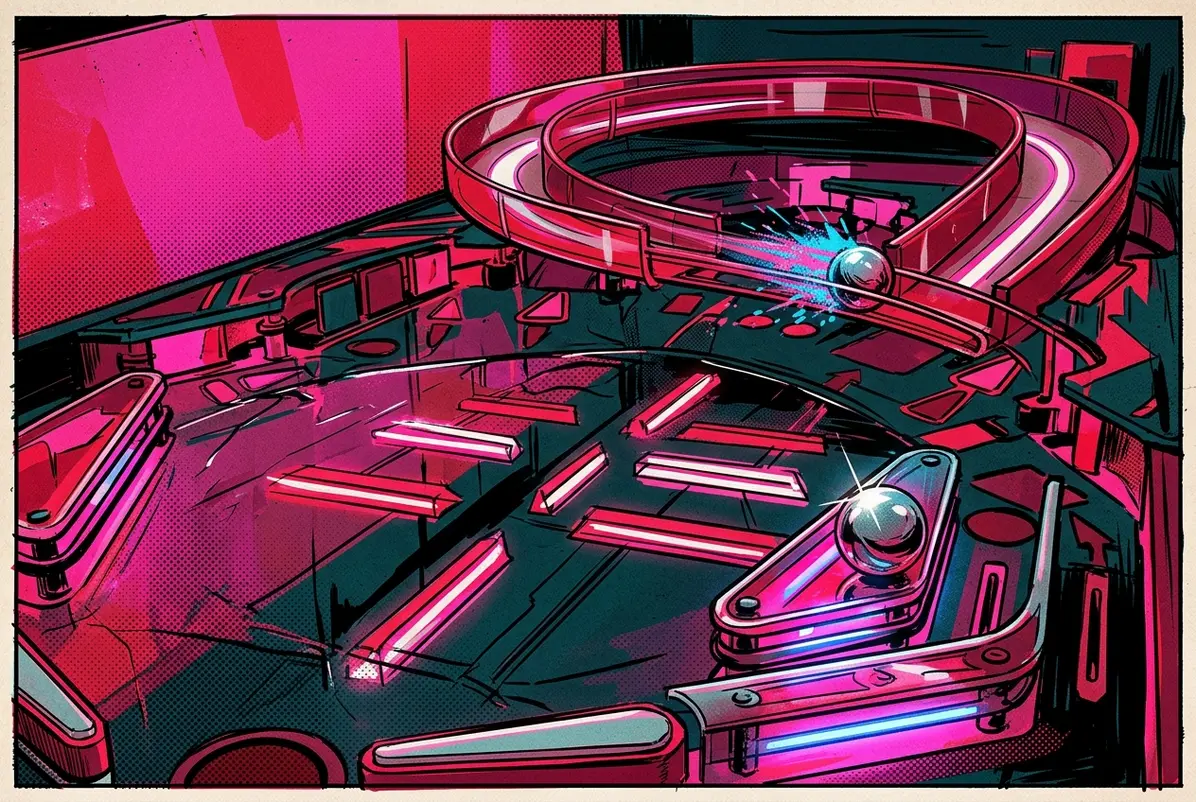
The Pro-to-LE comparison hides an important mechanical distinction. The first $2,700, from Pro to Premium, buys substantial changes to the playfield. Stern’s official Pokémon feature matrix shows that the Pro uses a static Pikachu and a static illuminated Poké Ball arrangement. Premium adds an animatronic Pikachu, an animatronic Poké Ball ball lock, the Arena magnet, a Psyduck ball scoop and a different Squirtle ramp arrangement. Those are mechanisms the ball actually encounters.
The next $3,300, from Premium to Limited Edition, is where the equation changes. The LE retains the higher-spec playfield and adds the explicitly limited material: a 750-machine production cap, certificate of authenticity, individually autographed game, sequentially numbered plate, mirrored backglass, Expression Lighting, upgraded speakers, anti-reflection glass, shaker motor and custom illuminated armor. Stern’s own documentation makes the split unusually legible. Premium spends heavily on what happens to the ball. Limited Edition spends heavily on what surrounds it.
The Pro Affordability Argument Has Teeth
That distinction matters because the strongest affordability defense applies to the bottom of the range. A Pinball Mag price history lists Bally’s Attack From Mars at $3,799 in 1995. By 2022, Stern’s entry models were around $7,000: its original Rush announcement listed the Pro at $6,899, and James Bond reached $6,999 later that year.
That is roughly a 1.8-times increase from the Attack From Mars price. Pinball Mag estimated that US salaries increased about 2.2 times over the same 1995-to-2022 period. Its article actually lists Rush Pro at $6,999 rather than Stern’s documented $6,899 launch price, but the $100 discrepancy barely changes the comparison. On that measure, the price of getting into a new full-size machine rose more slowly than wages.
It is not a perfect apples-to-apples lineage. Attack From Mars was a Bally/Midway machine, and Stern’s current Pro/Premium/LE structure did not exist in 1995. What the comparison can show is narrower and more useful: a mainstream new machine near the bottom of the current range has not multiplied in price as dramatically as the five-figure LE suggests.
The LE Climb Happened Before Pokémon
The top tier tells a different history. Stern launched the Star Trek Limited Edition at $8,795 in 2013. Aerosmith’s LE was $8,999 in 2017. Rush reached $11,099 in January 2022.
Then came the sharper move. By September of the same year, James Bond 007’s LE was $12,999. Pokémon remains at that price in 2026. That makes the current figure about 48 percent higher than Star Trek’s 2013 LE, but Pokémon itself did not create the jump. Stern had already moved from $11,099 to $12,999 within 2022 and has since used $12,999 on multiple Limited Editions.
That history changes the argument. Pokémon is not evidence of a fresh price explosion. It is evidence that a once-extraordinary five-figure collector tier has become an established part of Stern’s product structure.
The Used Market Stopped Moving in the Same Direction
For a while, the secondhand market made the new-machine increases look even more dramatic. A Kineticist analysis of 8,993 verified used-machine sales, representing more than $32 million in tracked transactions, found that average used prices rose 24 percent in 2022 after climbing 31 percent in 2021. The average reached $5,384. Individual modern machines could move much faster: Guardians of the Galaxy LE rose 70 percent in that dataset.
The methodology matters because those were recorded completed sales rather than a scrape of optimistic asking prices. But the spike did not continue indefinitely. The latest full-year summary from PinballPrices.com says used machines sold for about 1.1 percent less in 2025 than in 2024. Median prices for LCD-era machines were flat after declining for the previous two years.
The 2021 and 2022 surge is still part of the story. It is no longer a good description of the direction of the broad used market.
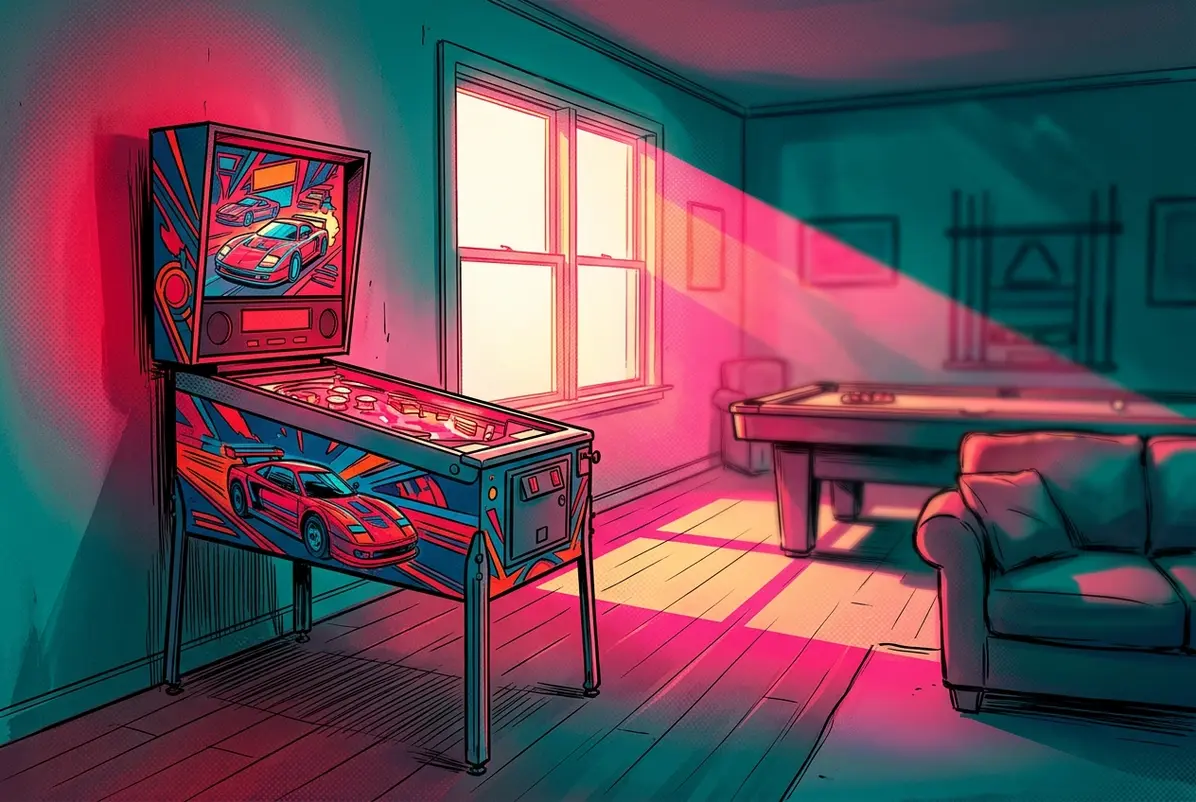
One Cabinet, Two Different Value Questions
Calling the entire $6,000 difference between Pokémon Pro and LE a collector surcharge would be too simple. The Premium step in the middle buys real mechanical changes. The cleaner collector comparison is Premium to LE: $3,300 for a limited production run plus upgraded lighting, audio, glass, trim, artwork, signatures, documentation and a number on the machine.
That does not make the LE overpriced, fairly priced or destined to appreciate. MSRP cannot answer any of those questions. What it does reveal is how Stern now segments the same game. The Pro makes a defensible case for the price of contemporary pinball itself. Premium sells a more elaborate machine. Limited Edition takes that machine and turns provenance, finish and scarcity into another product layer.
Pokémon did not make pinball a $12,999 hobby. It makes something stranger visible: inside one cabinet family, Stern is selling both the machine people pay to play and the particular version of that machine some buyers will pay thousands more to own.
'%3e%3cg id='Final-Copy-2_2_' transform='translate(1275.000000, 200.000000)'%3e%3cpath class='st0' d='M7.4,12.8h6.8l3.1-11.6H7.4C4.2,1.2,1.6,3.8,1.6,7S4.2,12.8,7.4,12.8z'/%3e%3c/g%3e%3c/g%3e%3c/g%3e%3cg id='final---dec.11-2020'%3e%3cg id='_x30_208-our-toggle' transform='translate(-1275.000000, -200.000000)'%3e%3cg id='Final-Copy-2' transform='translate(1275.000000, 200.000000)'%3e%3cpath class='st1' d='M22.6,0H7.4c-3.9,0-7,3.1-7,7s3.1,7,7,7h15.2c3.9,0,7-3.1,7-7S26.4,0,22.6,0z M1.6,7c0-3.2,2.6-5.8,5.8-5.8 h9.9l-3.1,11.6H7.4C4.2,12.8,1.6,10.2,1.6,7z'/%3e%3cpath id='x' class='st2' d='M24.6,4c0.2,0.2,0.2,0.6,0,0.8l0,0L22.5,7l2.2,2.2c0.2,0.2,0.2,0.6,0,0.8c-0.2,0.2-0.6,0.2-0.8,0 l0,0l-2.2-2.2L19.5,10c-0.2,0.2-0.6,0.2-0.8,0c-0.2-0.2-0.2-0.6,0-0.8l0,0L20.8,7l-2.2-2.2c-0.2-0.2-0.2-0.6,0-0.8 c0.2-0.2,0.6-0.2,0.8,0l0,0l2.2,2.2L23.8,4C24,3.8,24.4,3.8,24.6,4z'/%3e%3cpath id='y' class='st3' d='M12.7,4.1c0.2,0.2,0.3,0.6,0.1,0.8l0,0L8.6,9.8C8.5,9.9,8.4,10,8.3,10c-0.2,0.1-0.5,0.1-0.7-0.1l0,0 L5.4,7.7c-0.2-0.2-0.2-0.6,0-0.8c0.2-0.2,0.6-0.2,0.8,0l0,0L8,8.6l3.8-4.5C12,3.9,12.4,3.9,12.7,4.1z'/%3e%3c/g%3e%3c/g%3e%3c/g%3e%3c/g%3e%3c/svg%3e) Your Privacy Choices
Your Privacy Choices