

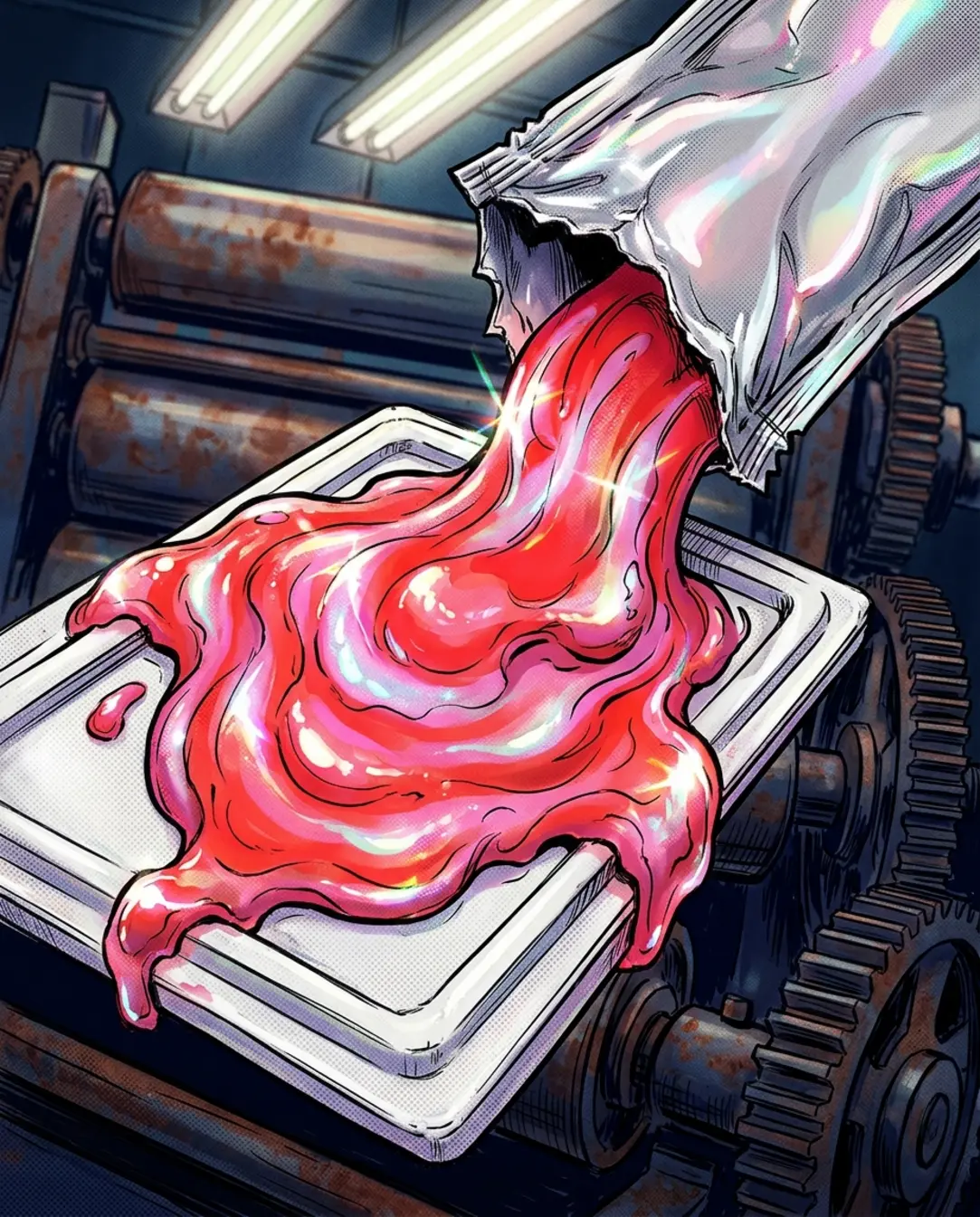

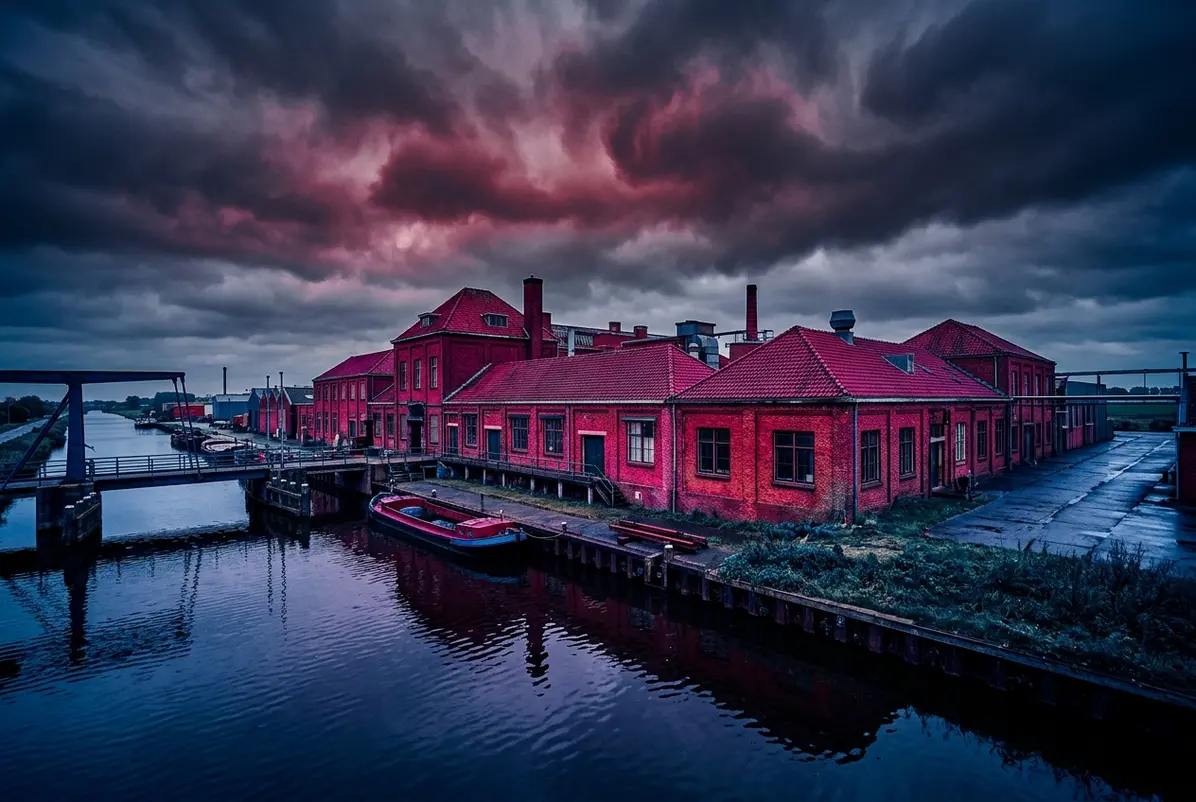
In Enschede, the Netherlands, The Impossible Project squeezed four buildings’ worth of Polaroid equipment into three floors of Building Noord. A 2011 factory tour described an archive of more than 30,000 spare parts. The machinery was a substantial inheritance. Finding materials to run through it was harder: suppliers had disappeared, and some ingredients used in the old film were no longer commercially available.
Polaroid’s account of a factory rescued by enthusiasts is fair. The interesting part is how much had to change inside the familiar white border to make that rescue work.
What the Enschede Deal Secured
Polaroid announced the Enschede factory’s planned closure on February 11, 2008. That June, Austrian entrepreneur Florian Kaps met André Bosman, the manager responsible for shutting the site, at its closing party. In WIRED’s 2009 account, the two describe assembling a venture to buy the machinery, rent factory space and develop new film for existing Polaroid cameras.
The restart began with nine former Polaroid employees. Their experience belonged in the inventory alongside the equipment. A production line is considerably less useful without people who know how to operate and repair it.
The Missing Ingredients
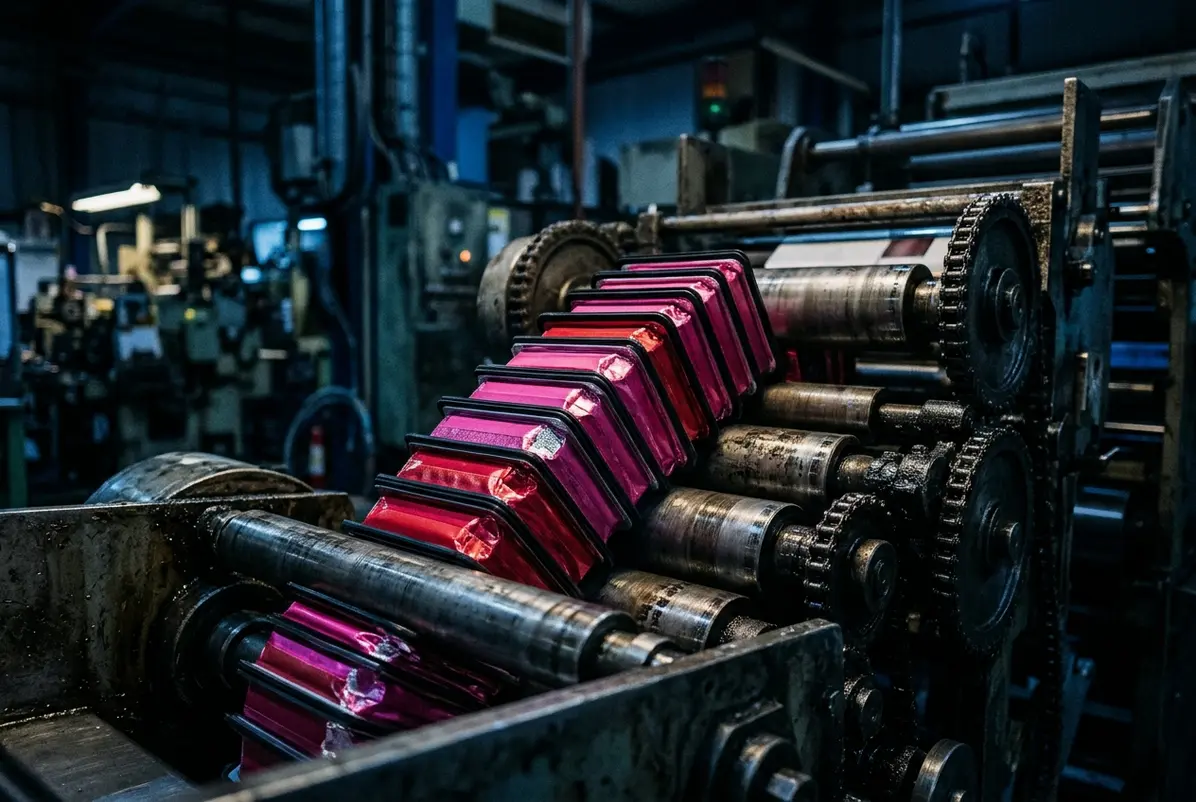
The chemical supply had been unraveling before the film line stopped. Core77’s tour reported that Polaroid had closed the plant making its colored dyes almost two years earlier, and that dismantling began after the remaining reserves were exhausted. Keeping the assembly equipment did not restore the businesses and facilities that supplied it.
Impossible’s early business plan listed the negative, positive, reagent and battery among the components no longer available for ongoing production. Its stated mission was to develop a new film with new components and characteristics, compatible with vintage Polaroid cameras. Reinvention was in the proposal from the beginning.
By March 2010, Impossible was announcing its first monochrome films. Its launch release credited Ilford Photo’s support and described 17 months of development involving more than 30 newly developed components. PX100 Silver Shade served SX-70 cameras; the company announced PX600 Silver Shade’s release for 600-series cameras on April 16.
The Pictures Had to Last
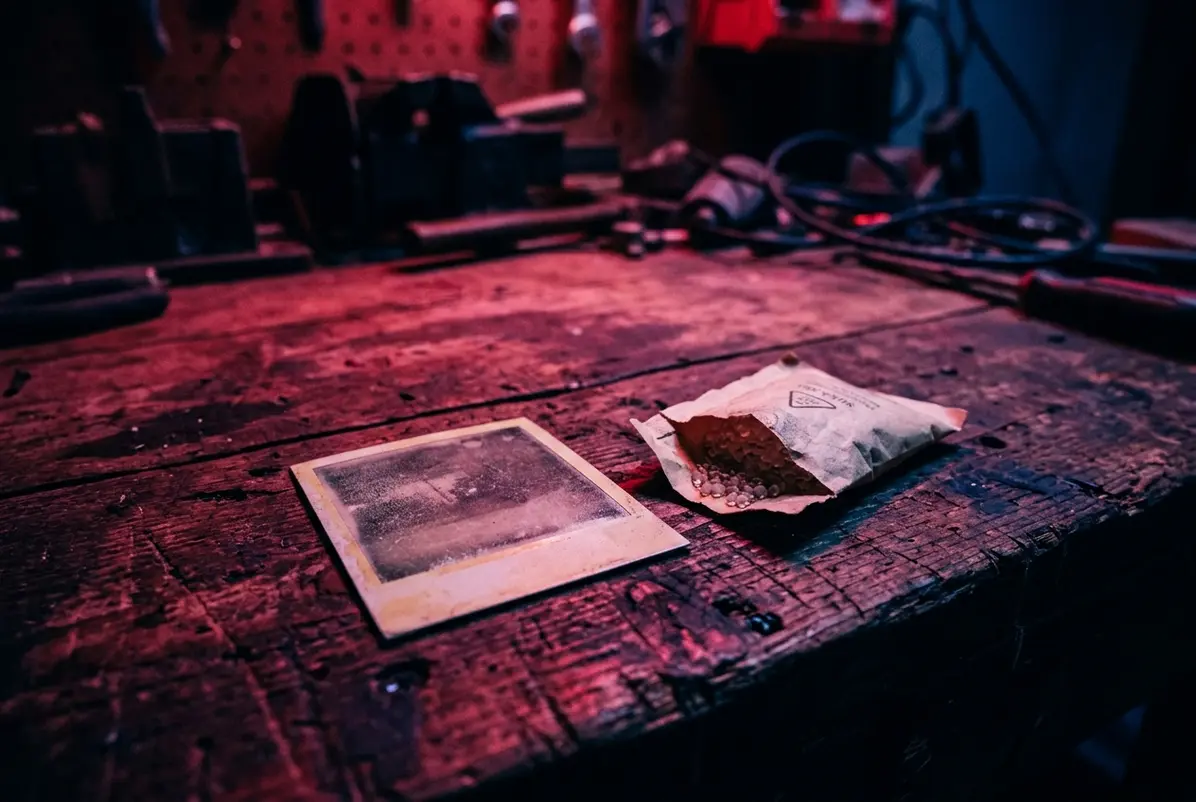
Early users encountered film that was still temperamental. Photographer Christopher J Osborne recalls PX100 First Flush producing orange-brown images, inconsistent exposures and prints that faded almost away within weeks. Impossible sold pouches containing silica to help dry the photographs; in his account, they made little difference. He describes scanning the prints promptly to preserve the images digitally.
Experiences differed. In October 2010, photographer Jay Versluis published scans of his PX600 pictures deteriorating over three months, while reporting that his PX100 prints had held up. Drying remedies, including silica gel, had not stopped the damage to his PX600 pictures. The practical problem was plain: getting a picture out of the camera did not guarantee it would stay that way.
A Name Outlasts Its Chemistry
The rebuilt operation worked at a different scale. Impossible’s early business plan put the old factory’s recent output at about 30 million packs a year. In November 2014, the company celebrated producing a million packs within one calendar year for the first time. It marked the occasion by hiding three golden darkslides in film packs, redeemable for prizes. A fraction of the former plant’s output had become an achievement worth staging a treasure hunt around.
The brand then caught up with the product. In 2017, Impossible’s majority shareholders acquired the owner of the Polaroid brand. Impossible became Polaroid Originals that September, and the businesses were unified under the Polaroid name in March 2020.
Polaroid now describes a production process spanning two factories: negatives are made at its coating plant in Monheim, Germany; emulsion is produced in Enschede, where the film packs are also produced and assembled.
An old SX-70 taking a fresh picture is the visible end of all that work: a surviving camera, supplied with a film that had to change.
Frequently asked questions
What was The Impossible Project?
The Impossible Project was a venture formed in 2008 by Florian Kaps and André Bosman to buy Polaroid's Enschede, Netherlands machinery, rent factory space and develop new instant film for existing Polaroid cameras after Polaroid announced the plant's closure.
Why couldn't The Impossible Project just make the original Polaroid film?
Suppliers had disappeared and some ingredients in the old film were no longer commercially available. Polaroid had closed the plant making its colored dyes about two years before the film line stopped, and the negative, positive, reagent and battery were all listed as unavailable components.
When did The Impossible Project release its first film?
In March 2010 it announced its first monochrome films after 17 months of development involving more than 30 new components, with support from Ilford Photo. PX100 Silver Shade served SX-70 cameras, and PX600 Silver Shade followed for 600-series cameras.
Did early Impossible Project film fade?
Many early prints did. Users reported orange-brown tones, inconsistent exposures and some prints fading within weeks, and silica drying pouches did little to stop the damage, though some PX100 prints held up better than PX600.
When did The Impossible Project become Polaroid?
Impossible's majority shareholders acquired the owner of the Polaroid brand in 2017. Impossible became Polaroid Originals that September, and the businesses were unified under the Polaroid name in March 2020.
Where is Polaroid film made today?
Polaroid describes a two-factory process: negatives are made at its coating plant in Monheim, Germany, while emulsion is produced in Enschede, the Netherlands, where film packs are also produced and assembled.
'%3e%3cg id='Final-Copy-2_2_' transform='translate(1275.000000, 200.000000)'%3e%3cpath class='st0' d='M7.4,12.8h6.8l3.1-11.6H7.4C4.2,1.2,1.6,3.8,1.6,7S4.2,12.8,7.4,12.8z'/%3e%3c/g%3e%3c/g%3e%3c/g%3e%3cg id='final---dec.11-2020'%3e%3cg id='_x30_208-our-toggle' transform='translate(-1275.000000, -200.000000)'%3e%3cg id='Final-Copy-2' transform='translate(1275.000000, 200.000000)'%3e%3cpath class='st1' d='M22.6,0H7.4c-3.9,0-7,3.1-7,7s3.1,7,7,7h15.2c3.9,0,7-3.1,7-7S26.4,0,22.6,0z M1.6,7c0-3.2,2.6-5.8,5.8-5.8 h9.9l-3.1,11.6H7.4C4.2,12.8,1.6,10.2,1.6,7z'/%3e%3cpath id='x' class='st2' d='M24.6,4c0.2,0.2,0.2,0.6,0,0.8l0,0L22.5,7l2.2,2.2c0.2,0.2,0.2,0.6,0,0.8c-0.2,0.2-0.6,0.2-0.8,0 l0,0l-2.2-2.2L19.5,10c-0.2,0.2-0.6,0.2-0.8,0c-0.2-0.2-0.2-0.6,0-0.8l0,0L20.8,7l-2.2-2.2c-0.2-0.2-0.2-0.6,0-0.8 c0.2-0.2,0.6-0.2,0.8,0l0,0l2.2,2.2L23.8,4C24,3.8,24.4,3.8,24.6,4z'/%3e%3cpath id='y' class='st3' d='M12.7,4.1c0.2,0.2,0.3,0.6,0.1,0.8l0,0L8.6,9.8C8.5,9.9,8.4,10,8.3,10c-0.2,0.1-0.5,0.1-0.7-0.1l0,0 L5.4,7.7c-0.2-0.2-0.2-0.6,0-0.8c0.2-0.2,0.6-0.2,0.8,0l0,0L8,8.6l3.8-4.5C12,3.9,12.4,3.9,12.7,4.1z'/%3e%3c/g%3e%3c/g%3e%3c/g%3e%3c/g%3e%3c/svg%3e) Your Privacy Choices