


Funai Electric sold 750,000 VCRs worldwide in 2015. In July 2016, it said it would stop making them by the end of the month. Time described Funai as the last-known VCR manufacturer. The company still had customers, but a supplier had stopped making a part it needed.
A Smaller Market, a Different Machine
Funai once sold about 15 million VCRs a year, making its 2015 sales roughly one-twentieth of that peak. Most of its remaining machines went to North America, including under the Sanyo name. Panasonic had already withdrawn, according to Funai’s account to AFP.
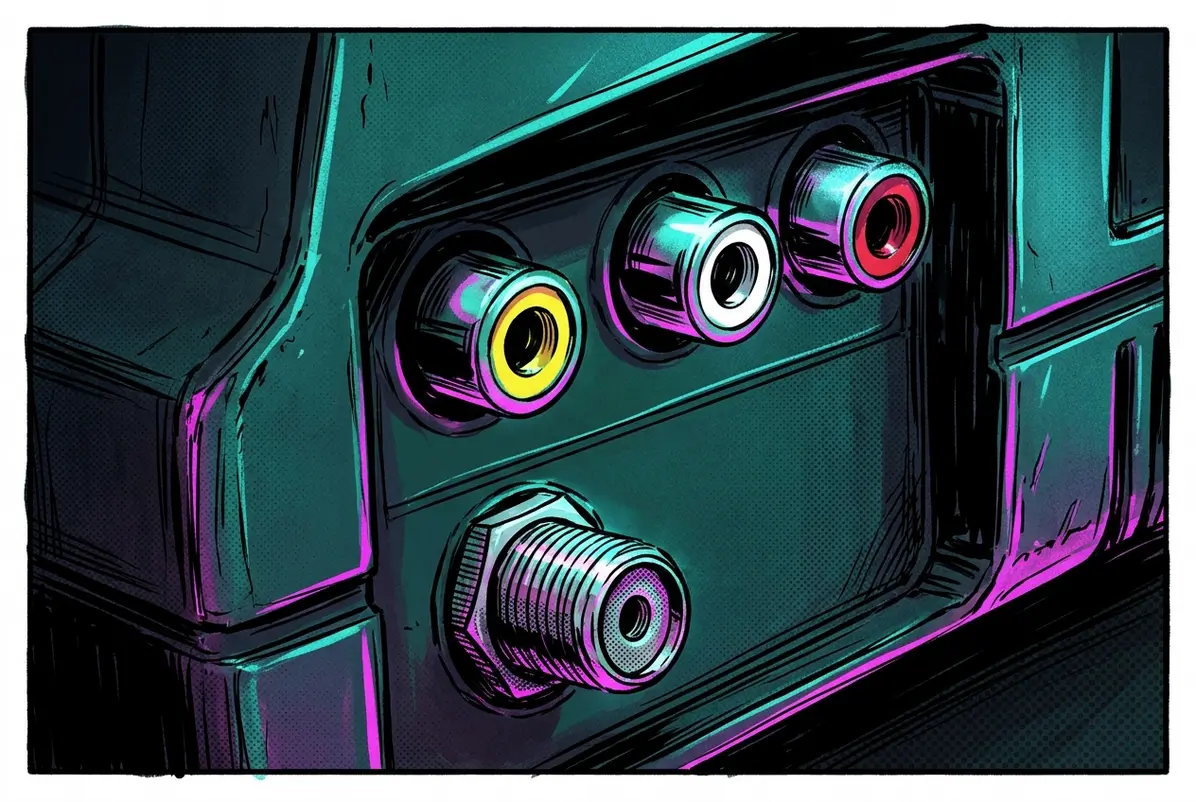
The last machines were combination decks. Funai told The Register that it no longer sold standalone VHS models; its remaining offerings paired VHS with DVD. The DV220FX4 put a DVD player and VHS recorder in the same box, but had no television tuner. Its manual required an external tuner to receive broadcasts. The cassette slot was still there, alongside the disc tray, with another device needed to supply the TV signal.
The Component That Left First
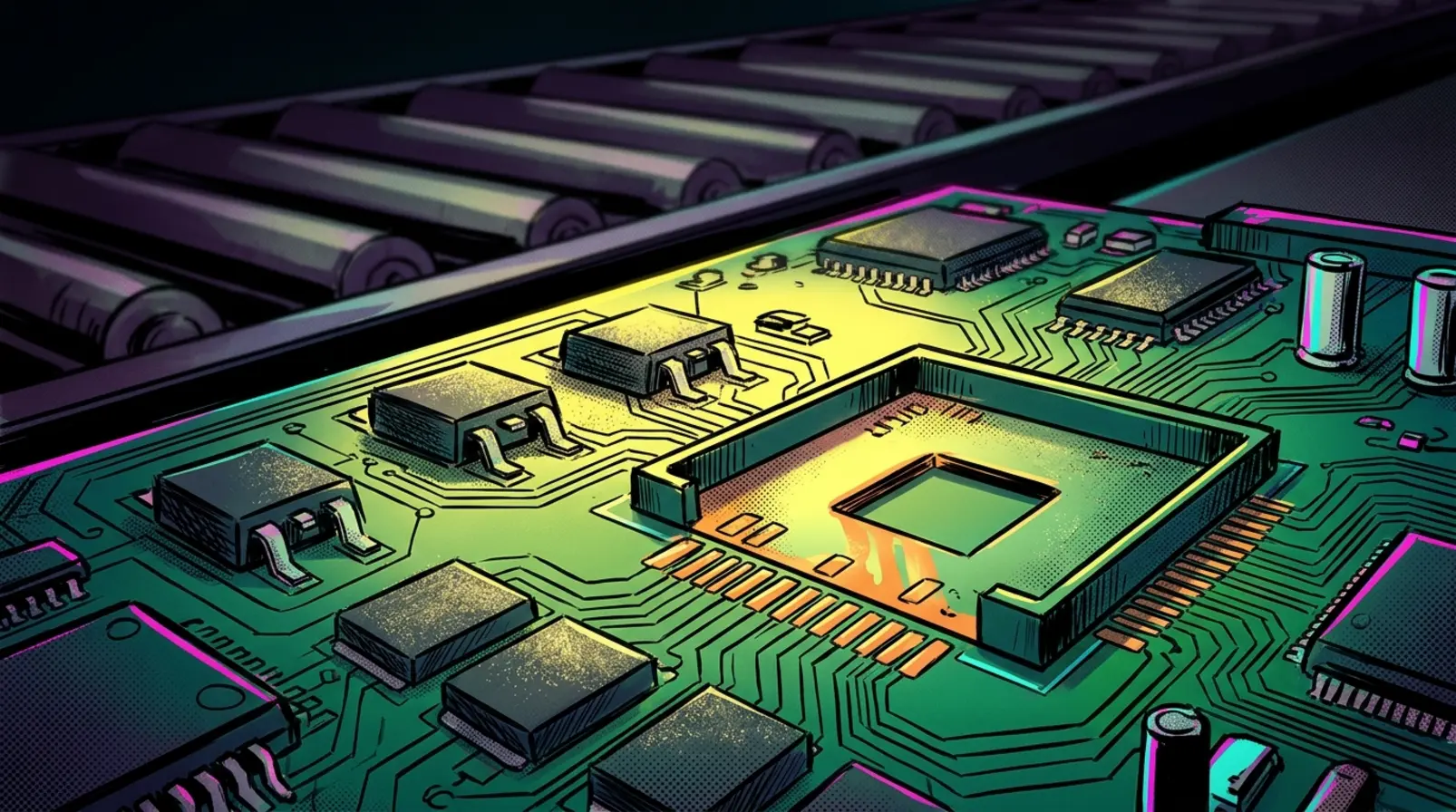
A Funai spokesman told AFP that a component supplier had found it “too tough to keep making them” at the reduced sales volume. When that supplier stopped, Funai could no longer build the machines. The report did not identify the supplier or the part.
The company gave a similar account to the Associated Press: it wanted to continue production to meet customer requests, but component makers were pulling out. Enough sales for Funai to want to keep building VCRs did not guarantee enough business for every company making what went inside them.
What Remained in Homes
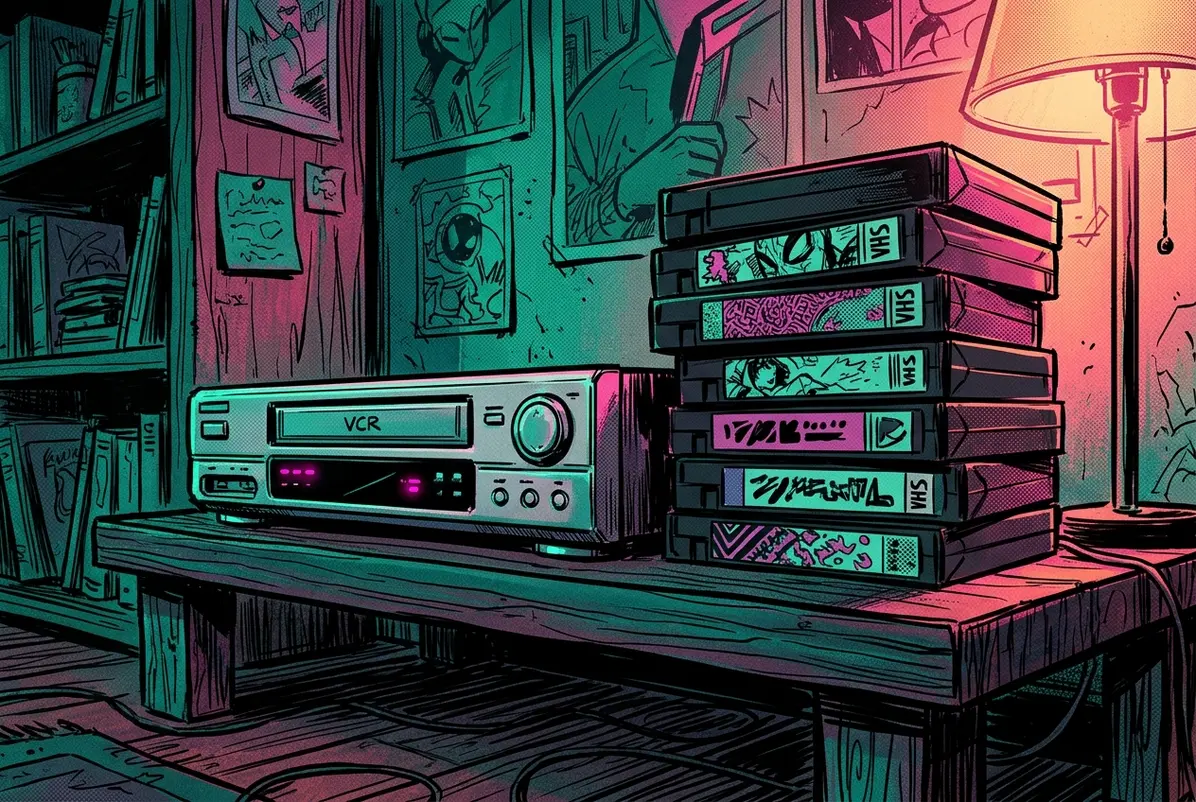
Nearly a decade later, WDIV found VCRs still arriving for repair at Starlit TV in St. Clair Shores, Michigan. In its May 2026 report, the shop described jobs coming in weekly or every couple of weeks, often involving belts and other mechanical parts. Repairs were quoted at $95 to $150.
The shop also said parts were not difficult to source. Obtaining replacements for particular repairs is a different undertaking from securing every component needed to manufacture new machines. A factory can stop while repair shops still have useful work, available parts and customers who want their tapes to play.
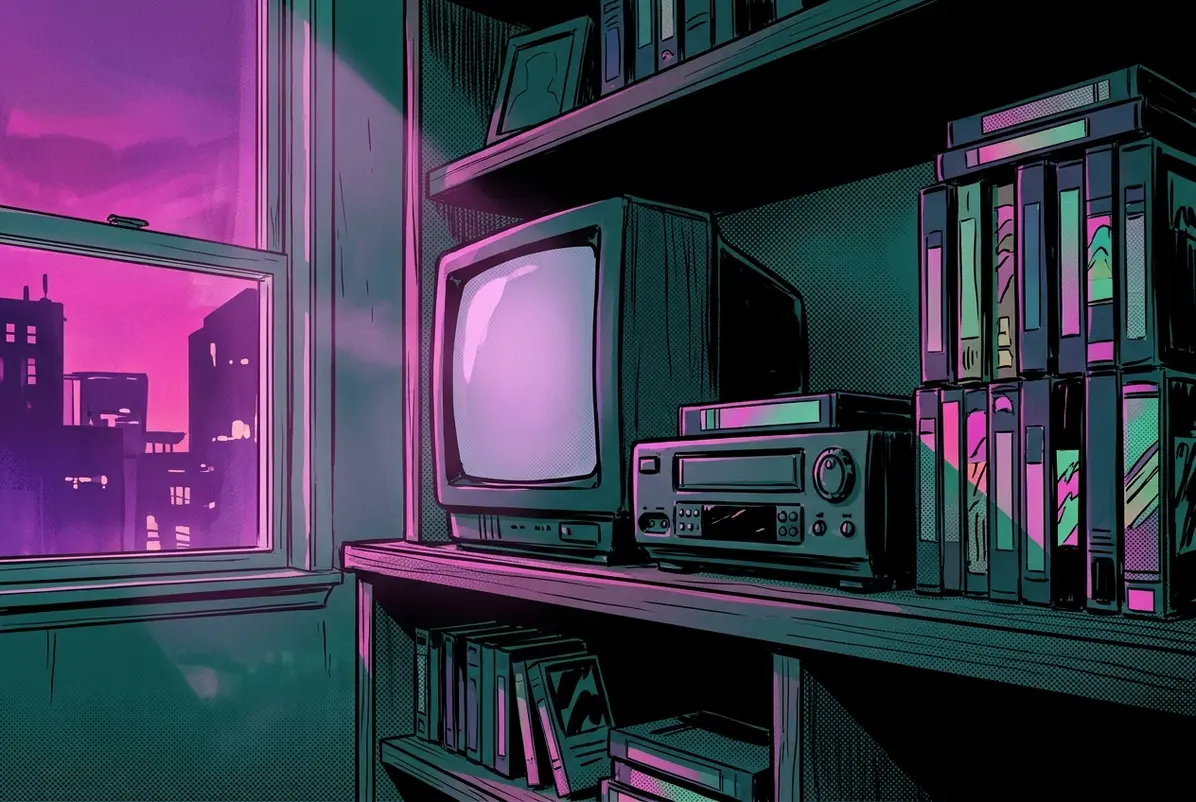
One Starlit TV customer had brought in eight VCRs collected secondhand, hoping the shop could get some of them working. The cassette on the shelf is only half of what has to survive.
Frequently asked questions
When did they stop making VCRs?
Funai Electric, described by Time as the last-known VCR manufacturer, announced in July 2016 that it would end VCR production by the end of that month.
Who was the last company to make VCRs?
Funai Electric of Japan. Its remaining machines were mostly sold in North America, including under the Sanyo name, after Panasonic had already withdrawn.
Why did Funai stop making VCRs?
A component supplier found it too tough to keep making parts at reduced sales volumes. Funai said it wanted to keep meeting customer requests, but without that part it could no longer build the machines.
How many VCRs were still being sold in 2015?
Funai sold about 750,000 VCRs worldwide in 2015, roughly one-twentieth of its peak of about 15 million a year.
Were the last VCRs standalone VHS players?
No. Funai's final models were VHS/DVD combination decks. Some, like the DV220FX4, had no TV tuner and needed an external tuner to receive broadcasts.
Can you still get a VCR repaired?
Yes. In 2026 Starlit TV in St. Clair Shores, Michigan, reported VCR repairs arriving weekly or every couple of weeks, often for belts and mechanical parts, quoted at $95 to $150.
'%3e%3cg id='Final-Copy-2_2_' transform='translate(1275.000000, 200.000000)'%3e%3cpath class='st0' d='M7.4,12.8h6.8l3.1-11.6H7.4C4.2,1.2,1.6,3.8,1.6,7S4.2,12.8,7.4,12.8z'/%3e%3c/g%3e%3c/g%3e%3c/g%3e%3cg id='final---dec.11-2020'%3e%3cg id='_x30_208-our-toggle' transform='translate(-1275.000000, -200.000000)'%3e%3cg id='Final-Copy-2' transform='translate(1275.000000, 200.000000)'%3e%3cpath class='st1' d='M22.6,0H7.4c-3.9,0-7,3.1-7,7s3.1,7,7,7h15.2c3.9,0,7-3.1,7-7S26.4,0,22.6,0z M1.6,7c0-3.2,2.6-5.8,5.8-5.8 h9.9l-3.1,11.6H7.4C4.2,12.8,1.6,10.2,1.6,7z'/%3e%3cpath id='x' class='st2' d='M24.6,4c0.2,0.2,0.2,0.6,0,0.8l0,0L22.5,7l2.2,2.2c0.2,0.2,0.2,0.6,0,0.8c-0.2,0.2-0.6,0.2-0.8,0 l0,0l-2.2-2.2L19.5,10c-0.2,0.2-0.6,0.2-0.8,0c-0.2-0.2-0.2-0.6,0-0.8l0,0L20.8,7l-2.2-2.2c-0.2-0.2-0.2-0.6,0-0.8 c0.2-0.2,0.6-0.2,0.8,0l0,0l2.2,2.2L23.8,4C24,3.8,24.4,3.8,24.6,4z'/%3e%3cpath id='y' class='st3' d='M12.7,4.1c0.2,0.2,0.3,0.6,0.1,0.8l0,0L8.6,9.8C8.5,9.9,8.4,10,8.3,10c-0.2,0.1-0.5,0.1-0.7-0.1l0,0 L5.4,7.7c-0.2-0.2-0.2-0.6,0-0.8c0.2-0.2,0.6-0.2,0.8,0l0,0L8,8.6l3.8-4.5C12,3.9,12.4,3.9,12.7,4.1z'/%3e%3c/g%3e%3c/g%3e%3c/g%3e%3c/g%3e%3c/svg%3e) Your Privacy Choices