

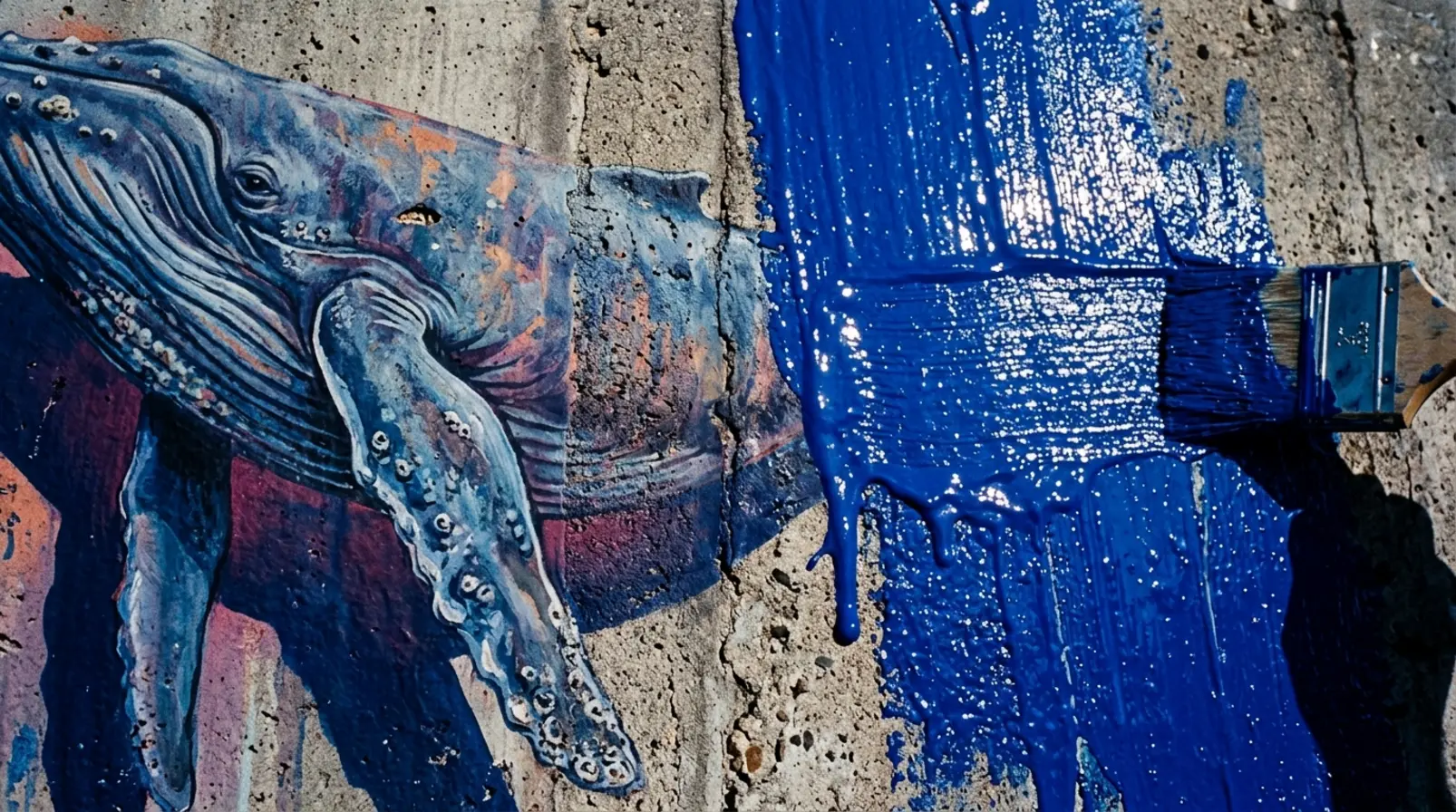

The Wyland vs. FIFA lawsuit is a $25 million federal legal dispute filed in June 2026 by marine artist Robert Wyland against Fédération Internationale de Football Association, FIFA-affiliated entities, and property-related co-defendants. The suit alleges that Wyland’s 17,000-square-foot Ocean Life mural in downtown Dallas, also known as Whaling Wall 82, was painted over without his consent to make way for World Cup 2026 promotional artwork, in violation of the Visual Artists Rights Act of 1990.
Wyland vs. FIFA: How a Dallas Landmark Disappeared Under Blue Paint
At the center of the dispute is Ocean Life, also known as Whaling Wall 82, an approximately 17,000-square-foot mural Wyland painted in 1999 on the side of a downtown Dallas building. The mural, featuring life-sized whales and other marine life, had become a recognizable part of the city’s skyline. Wyland painted the piece freehand, and local reporting has described the work as a nearly 30-year fixture of downtown Dallas before it was covered ahead of the World Cup.
Wyland painted the mural as part of a 100-piece series meant to raise awareness about ocean pollution and conservation. That series, the Whaling Walls project, ran from 1981 to 2008 and placed enormous marine-life murals in cities around the world, including landlocked places where whales were not part of the daily landscape. The point was not subtle. The ocean is downstream from everything. Even Dallas.
That is what made the blue paint feel so blunt. According to Reuters, Wyland’s lawsuit says the mural was covered in May without contacting him, and that the covering violated the Visual Artists Rights Act. The North Texas FIFA World Cup Organizing Committee had previously said the mural was being replaced with new artwork to celebrate and build excitement for the upcoming World Cup. Wyland saw something else: a conservation artwork drowned under a monochrome wash, not to preserve anything, but to brand a moment.
Wyland vs. FIFA: The VARA Claim and What Federal Law Actually Protects
Wyland’s lawsuit rests on the Visual Artists Rights Act, the 1990 federal law that gives certain visual artists moral rights in their work. Under 17 U.S.C. § 106A, the author of a qualifying work of visual art can, in some circumstances, prevent intentional distortion, mutilation, or destruction of a work of “recognized stature.” Ownership of the wall does not automatically erase the artist’s VARA rights. That is the whole pressure point.
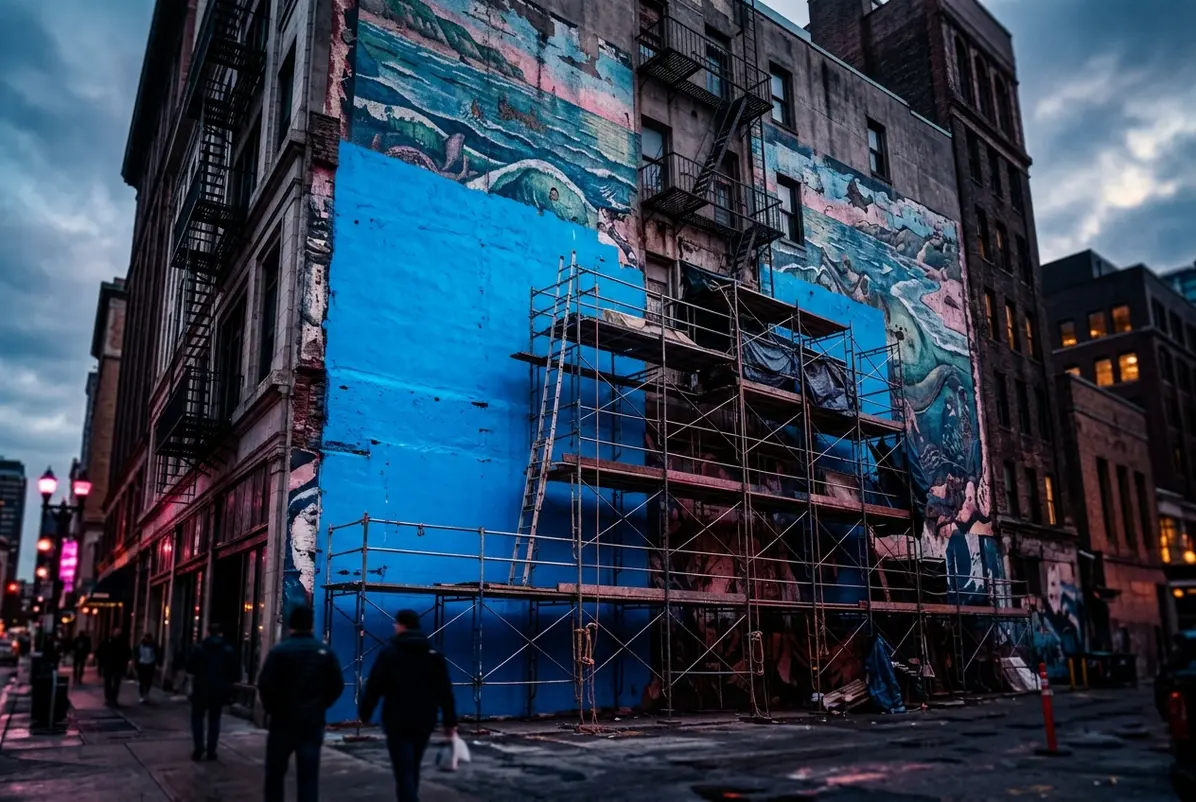
The building issue matters. VARA has special rules for works incorporated into buildings. If removing the work would destroy or mutilate it, the rights may depend on whether the artist gave written consent acknowledging that risk. If the work can be removed without destruction or damage, the building owner generally must make a good-faith attempt to notify the artist and give the artist a chance to remove it. The San Francisco Arts Commission’s summary of VARA and Section 113 lays out that framework: waiver, notice, removability, and damage are not side details. They are the machinery of the law.
The law has teeth. In the landmark 5Pointz case, a federal judge awarded graffiti artists $6.75 million after dozens of works at the Queens complex were whitewashed. The Second Circuit later upheld the award, and the U.S. Supreme Court declined to hear the appeal, leaving that ruling in place. That case did not make every mural untouchable. It did make clear that street and public-facing art can qualify for serious federal protection when a court finds recognized stature.
That phrase, “recognized stature,” is the hinge. The statute does not define it. Courts have looked at expert testimony, public recognition, artistic reputation, and third-party attention. In 5Pointz, the court rejected the idea that only masterpieces qualify. For Wyland, the argument is obvious: this was not a hidden sketch in a private hallway. It was a massive public mural that stood for roughly 27 years, covered two sides of an eight-story building, belonged to a global conservation series, and triggered immediate public backlash after its erasure.
Wyland vs. FIFA: Who Knew What, and When
The defendants’ accounts already diverge in ways that complicate the case. FIFA told Reuters that it had “no involvement in this whatsoever” and referred questions to the host city committee. Dallas’ World Cup organizing committee did not immediately respond to Reuters’ request for comment on the lawsuit. That matters because the lawsuit names FIFA, FIFA (Americas) Inc., FWC2026 US Inc., 3PZ Property Company LLC, and Slate Asset Management as defendants, but public responsibility has been harder to pin down than the blue paint on the wall.
The Guardian reported that the building’s owners said they donated the space for a public art project and were not paid for it, while FIFA again denied involvement and pointed inquiries toward the host city committee. The same report noted that the local organizing committee acknowledged communication shortcomings while distancing FIFA from blame. In other words, the early public posture is not confession. It is dispersal.
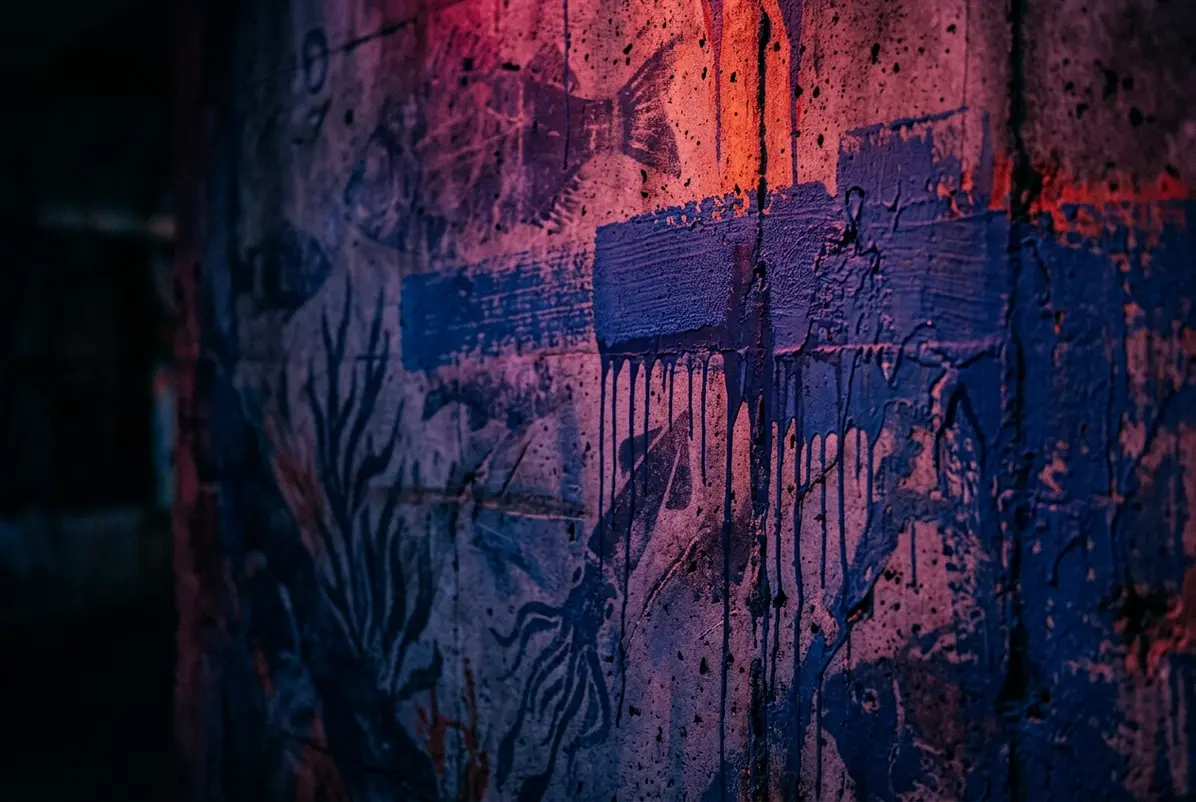
Wyland flatly disputes the idea that he was properly notified. In a May 15 report from FOX 4 Dallas-Fort Worth, he called the claim that he had been asked for permission “a lie with a capital L.” That quote is combustible, but it also identifies the central legal and cultural dispute. Was this a messy but lawful replacement of aging wall art, or the destruction of a protected public artwork without the artist’s consent?
Wyland’s attorneys also appear to be using FIFA’s own language to complicate the organization’s attempt to distance itself from host-city decisions. The complaint cites a March FIFA release quoting Chief Event Operations Officer Heimo Schirgi saying that the 2026 tournament is “the first FIFA World Cup that is fully under FIFA’s control.” That does not, by itself, prove liability. It does make the denial more interesting. Control is a glamorous word until something goes wrong.
Wyland vs. FIFA: Public Backlash and the Conservation Legacy at Stake
The mural’s destruction prompted an outcry from Wyland, Dallas residents, and public figures including Texas-born singer Kacey Musgraves, whose criticism was reported by local and national outlets. The reaction was not just about one wall. It was about the feeling that a city’s visual memory had been treated like available inventory.
Robert Wyland, born in 1956 and known professionally as Wyland, is an American artist and conservationist best known for his Whaling Walls, large outdoor murals featuring whales and other sea life. His own foundation describes the project as a global series created to inspire ocean and waterway stewardship. The body of work is enormous, literally. Losing even one piece from that body registers as a wound to a life’s project.
Wyland’s attorney Andrea Perez framed the case in civic terms. “VARA exists so that culturally significant pieces are treated with dignity and care,” she told Reuters. That line works because it is both legal and philosophical. Public murals are not billboards. They are not interchangeable signage to be swapped out whenever a new sponsor, tournament, or civic branding campaign rolls into town.
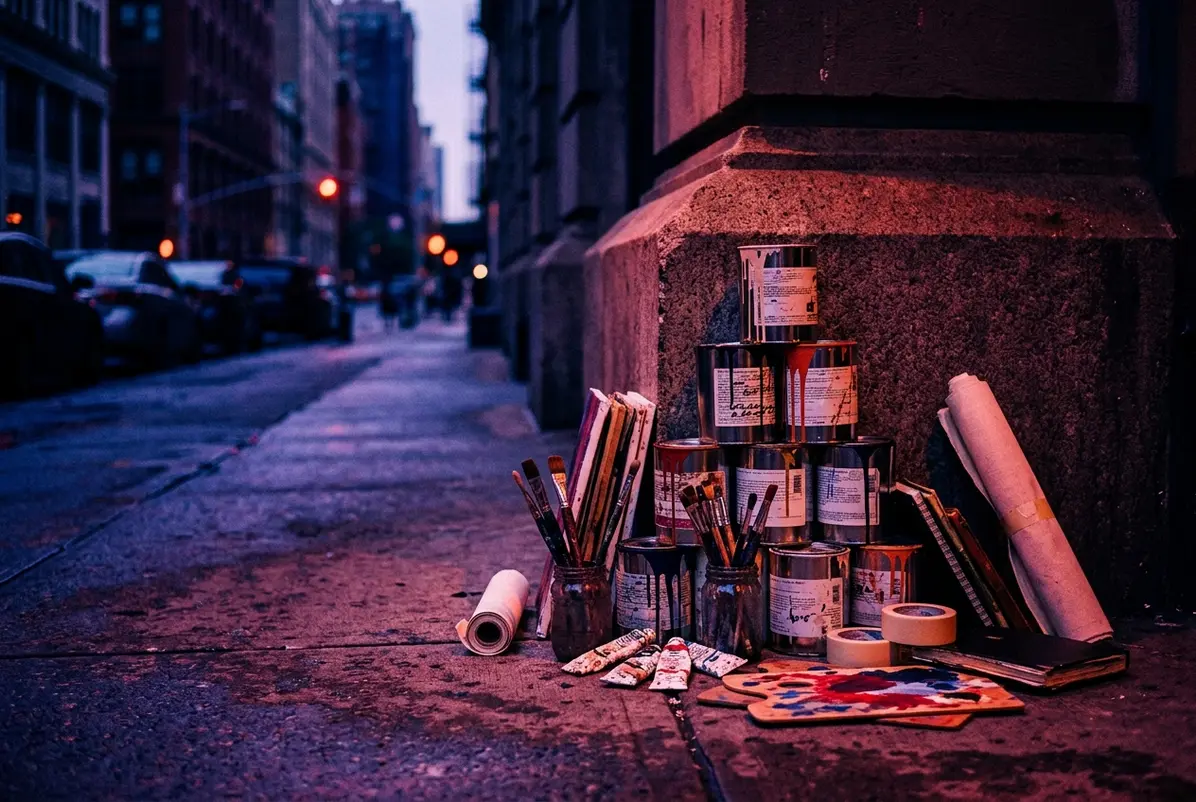
That is the deeper injury. A mural ages differently from a billboard. Its fading becomes part of the city. Its cracks become part of the record. To call an old public artwork “past its useful life,” as The Guardian reported one Downtown Dallas Inc. employee wrote in emails obtained by The Dallas Morning News, is to reveal the real conflict. The issue is not whether cities change. Of course they do. The issue is who gets to decide when memory has expired.
Wyland vs. FIFA: What Comes Next for Public Art and Mega-Events
Wyland is seeking at least $25 million in damages and a jury trial. The 2026 FIFA World Cup is scheduled to run from June 11 through July 19 across Canada, Mexico, and the United States. Dallas is set to host nine matches, including a semifinal, according to FIFA’s Dallas host-city announcement. The tournament will move quickly. The lawsuit will not.
Reasonable people can disagree about whether a decades-old mural on a privately owned building should remain forever. Property rights are real. Cities change. Paint decays. Buildings are renovated, sold, demolished, and rebranded. But what makes this case stand apart from a routine property dispute is the process, or the alleged lack of one. VARA does not make public art immortal. It does insist that certain works cannot simply be treated as disposable surface area.
The broader pattern is worth watching. Mega-events increasingly consume the visual identity of host cities, rebranding stadiums, streetscapes, signage, and public spaces under the logic of global sponsorship. Even AT&T Stadium is being referred to as “Dallas Stadium” for World Cup purposes, consistent with FIFA’s controlled tournament branding. When that same logic appears to reach a 17,000-square-foot conservation mural, the tension between global sports commerce and local cultural heritage stops being theoretical.
Wyland and the Wyland Foundation have said they support the excitement surrounding the 2026 FIFA World Cup but believe major international events should not come at the expense of public art. That is not a radical position. It is the minimum ask.
The whale mural did not disappear because the ocean stopped mattering. It disappeared because a wall became more valuable as message space than memory. That is the strange violence of the story. The same surface that once reminded Dallas it was connected to distant water was repainted to remind Dallas it was connected to a global spectacle. The wall remained useful. Only the whales were declared obsolete.
Wyland vs. FIFA: Frequently Asked Questions
What is the Wyland vs. FIFA lawsuit about?
Artist Robert Wyland filed a federal lawsuit seeking at least $25 million in damages after his Dallas mural Ocean Life, also known as Whaling Wall 82, was painted over ahead of the 2026 FIFA World Cup. The lawsuit alleges violations of the Visual Artists Rights Act of 1990.
What is the Visual Artists Rights Act?
The Visual Artists Rights Act of 1990, often called VARA, is a U.S. federal law that gives certain visual artists rights of attribution and integrity in qualifying works. In some circumstances, it allows artists to prevent intentional distortion, mutilation, or destruction of works of recognized stature.
Who are the defendants in the Wyland lawsuit?
The lawsuit names Fédération Internationale de Football Association, FIFA (Americas) Inc., FWC2026 US Inc., 3PZ Property Company LLC, and Slate Asset Management as defendants.
What was Whaling Wall 82?
Whaling Wall 82, also known as Ocean Life, was a large Wyland mural in downtown Dallas showing whales, dolphins, and other marine life. It was part of Wyland’s larger Whaling Walls project, a global series of public murals connected to ocean conservation.
Has VARA been used successfully in similar cases?
Yes. The best-known example is the 5Pointz case in New York, where artists won a $6.75 million judgment after their works were whitewashed. The Second Circuit upheld the award, and the U.S. Supreme Court declined to review the case.
What has FIFA said about the lawsuit?
FIFA told Reuters and other outlets that it had “no involvement in this whatsoever” and referred questions to the host city committee. Wyland’s lawsuit disputes the broader chain of responsibility, and that question remains unresolved.
'%3e%3cg id='Final-Copy-2_2_' transform='translate(1275.000000, 200.000000)'%3e%3cpath class='st0' d='M7.4,12.8h6.8l3.1-11.6H7.4C4.2,1.2,1.6,3.8,1.6,7S4.2,12.8,7.4,12.8z'/%3e%3c/g%3e%3c/g%3e%3c/g%3e%3cg id='final---dec.11-2020'%3e%3cg id='_x30_208-our-toggle' transform='translate(-1275.000000, -200.000000)'%3e%3cg id='Final-Copy-2' transform='translate(1275.000000, 200.000000)'%3e%3cpath class='st1' d='M22.6,0H7.4c-3.9,0-7,3.1-7,7s3.1,7,7,7h15.2c3.9,0,7-3.1,7-7S26.4,0,22.6,0z M1.6,7c0-3.2,2.6-5.8,5.8-5.8 h9.9l-3.1,11.6H7.4C4.2,12.8,1.6,10.2,1.6,7z'/%3e%3cpath id='x' class='st2' d='M24.6,4c0.2,0.2,0.2,0.6,0,0.8l0,0L22.5,7l2.2,2.2c0.2,0.2,0.2,0.6,0,0.8c-0.2,0.2-0.6,0.2-0.8,0 l0,0l-2.2-2.2L19.5,10c-0.2,0.2-0.6,0.2-0.8,0c-0.2-0.2-0.2-0.6,0-0.8l0,0L20.8,7l-2.2-2.2c-0.2-0.2-0.2-0.6,0-0.8 c0.2-0.2,0.6-0.2,0.8,0l0,0l2.2,2.2L23.8,4C24,3.8,24.4,3.8,24.6,4z'/%3e%3cpath id='y' class='st3' d='M12.7,4.1c0.2,0.2,0.3,0.6,0.1,0.8l0,0L8.6,9.8C8.5,9.9,8.4,10,8.3,10c-0.2,0.1-0.5,0.1-0.7-0.1l0,0 L5.4,7.7c-0.2-0.2-0.2-0.6,0-0.8c0.2-0.2,0.6-0.2,0.8,0l0,0L8,8.6l3.8-4.5C12,3.9,12.4,3.9,12.7,4.1z'/%3e%3c/g%3e%3c/g%3e%3c/g%3e%3c/g%3e%3c/svg%3e) Your Privacy Choices
Your Privacy Choices