

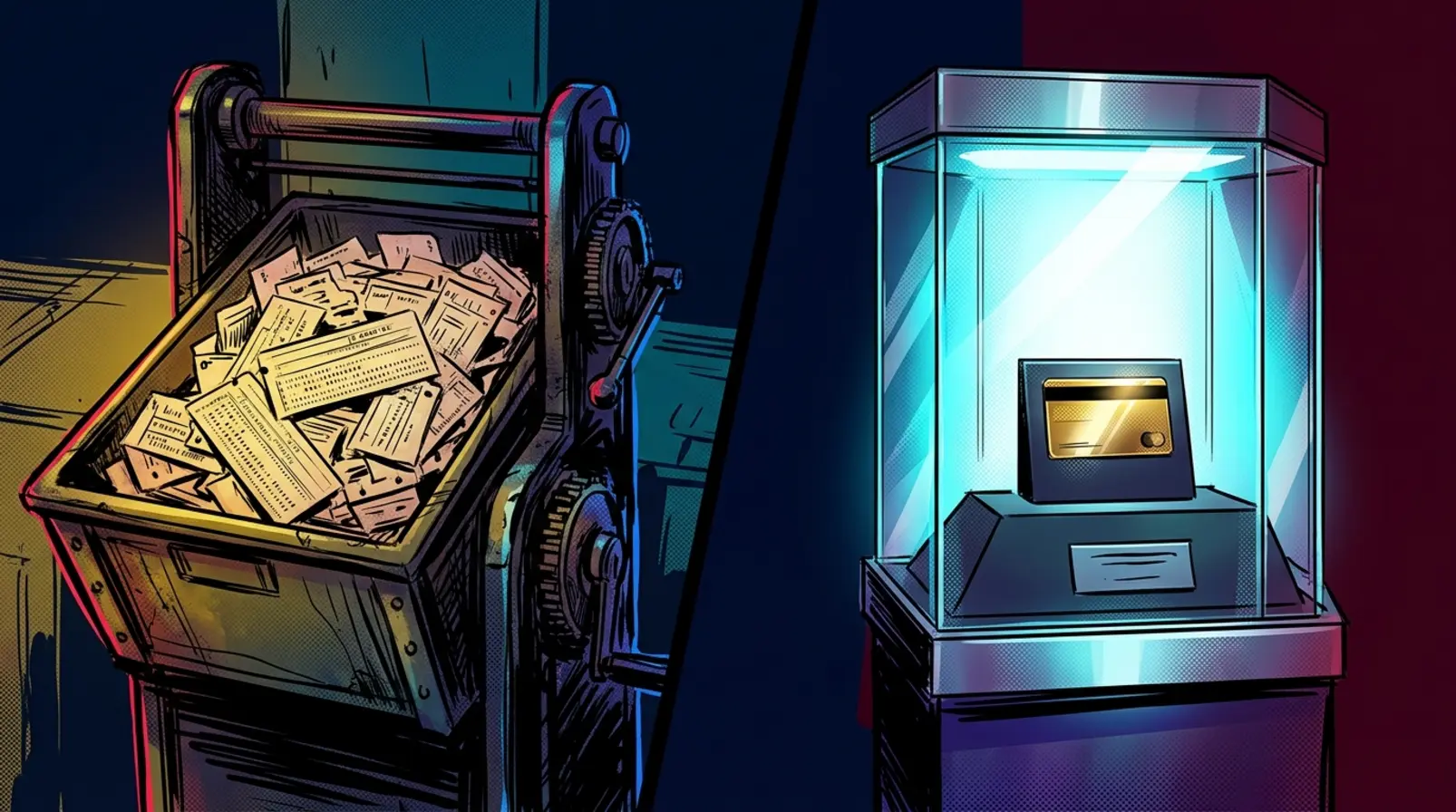


The Badge That Became the Convention
The popular take on San Diego Comic-Con‘s badge system goes something like this: it is a lottery, it is brutal, and everyone has the same shot. That version is not wrong, exactly. It is just too small.
The better story is that Comic-Con is the rare fan institution that succeeded so completely that admission became its own culture.
At a smaller convention, a badge is a ticket. At Comic-Con, the badge is something else: a plan, a credential, a family calendar event, a browser-window ritual, a reminder email, a Member ID, a preserved eligibility status, a thing parents remember to save for their children. The convention became so desirable that the process of getting into the convention started to resemble a convention of its own.
Comic-Con badges for general attendees are sold through two major online sales: Returning Registration and Open Registration. Comic-Con’s Returning Registration page describes that sale as being for eligible attendees who purchased a Comic-Con 2025 attendee badge, while Open Registration is the broader public sale for eligible members with a Comic-Con Member ID. In both systems, access depends on timing, inventory, account setup, and the waiting-room process. Being ready is not the same thing as getting in.
That is not scandal. That is scale. Comic-Con is managing demand that outgrew ordinary admission years ago. The badge system is not merely a sales mechanism anymore. It is the visible edge of a cultural problem every beloved institution eventually faces: what happens when more people want the ritual than the ritual can physically hold?
David Glanzer is an unusually useful figure through which to understand that transformation. KPBS has reported that Glanzer has attended Comic-Con since 1978, began volunteering soon after, and became its official spokesperson in 1984. Over the decades, he has become one of the event’s most familiar public voices. In interviews, he does not come across like someone standing outside the culture and managing it. He comes across like someone who watched a room become a world.
That distinction matters. This is not a story about Comic-Con betraying fandom. It is a story about fandom becoming infrastructure.
Returning Registration and the Culture of Continuity
Returning Registration is where the badge stops behaving like a simple ticket. To be eligible for Comic-Con 2026 Returning Registration, Comic-Con says a person must have purchased a Comic-Con 2025 attendee badge, and each person being purchased for must also be eligible and have a Member ID account. That requirement creates a simple but powerful rhythm: attend, preserve eligibility, try again next year.
For longtime attendees, that can feel like basic continuity. Comic-Con is not a random pop-up. It is a yearly pilgrimage, and many people build real relationships, traditions, work patterns, and family memories around it. Returning Registration acknowledges that history. It says, in effect, that the people who made it there last time get an early chance to keep the thread alive.
For newcomers, the same system can feel different. It can feel like arriving at a famous party and discovering that some of the guests already know the layout of the house. Not because they are cheating. Because they have lived with the ritual longer.
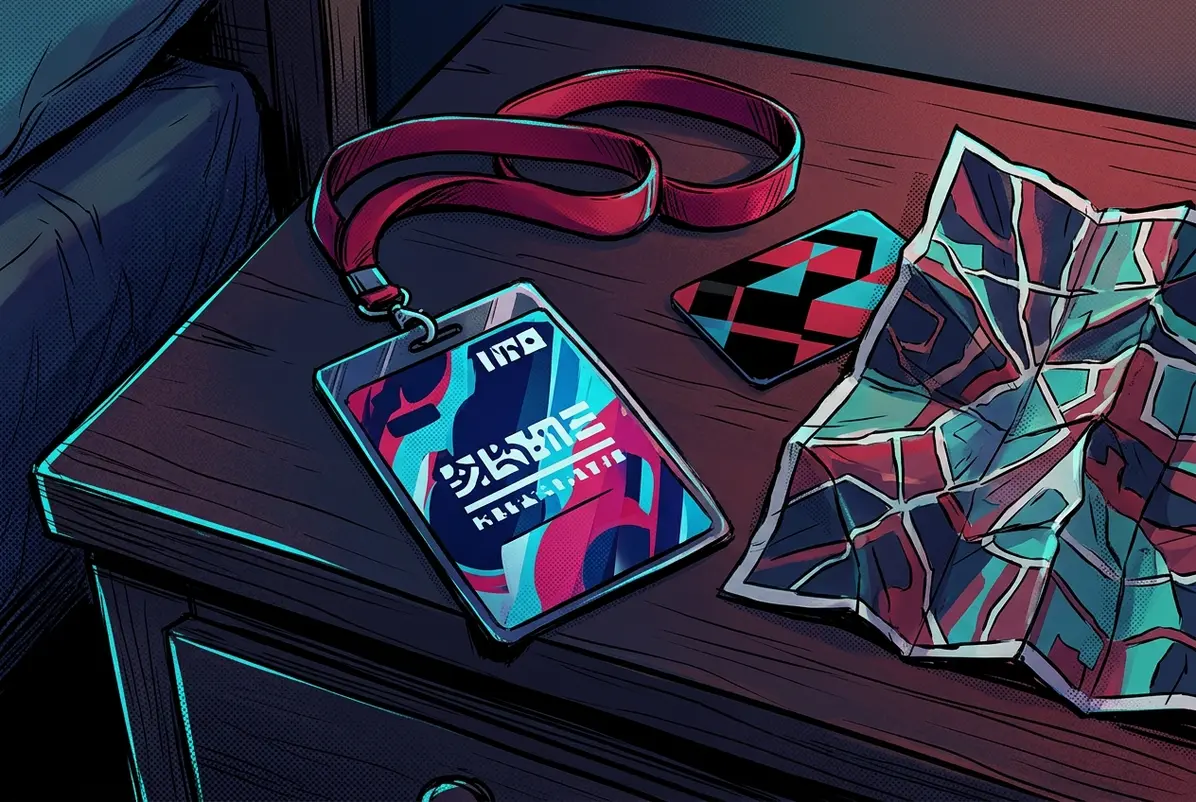
This is where the system becomes culturally interesting. Returning Registration is not merely a reward. It produces behavior. It teaches attendees to think in cycles. It makes eligibility something to preserve. It turns badge buying into a kind of maintenance practice: keep the account current, watch the dates, understand the rules, coordinate with friends, know what happens if a badge is refunded, never assume the door will open twice.
The language of fandom becomes procedural. People do not just talk about panels, exclusives, cosplay, hotels, trailers, and after-parties. They talk about Member IDs, buying groups, waiting rooms, validation, and eligibility flags. The administrative layer becomes part of the culture. The paperwork becomes part of the pilgrimage.
That is the strange achievement of Comic-Con’s scale. The convention is so important to its audience that the act of trying to attend has developed its own customs, folk knowledge, and survival tactics. The badge is not just what gets someone into Comic-Con. The badge is where Comic-Con begins.
The Family Ritual Hidden in the Child Badge
The child badge policy is the warmest and most revealing part of the system. Comic-Con’s official child badge policy says children age 12 and under may attend for free with a paying adult, with up to two children registered per paid adult attendee on-site. Children do not need their own Member ID to receive a child badge. For families, that is a meaningful policy. It keeps the convention from becoming even more expensive for parents, and it allows children to experience Comic-Con as something inherited through presence rather than purchased at the first possible moment.
But the policy also reveals how deeply Comic-Con now operates as a generational ritual. Comic-Con uses a static July 31 cutoff date to determine whether a child is considered a child or must move into junior status. The same policy tells parents that if a child will be 13 years old as of July 31, 2026, they should hold on to the child’s badge because there will be an opportunity for that child to become eligible for Comic-Con 2027 Returning Registration as a junior.
That is not sinister. It is actually one of the more family-friendly parts of the system. But it is fascinating because it shows how access becomes memory with rules attached.
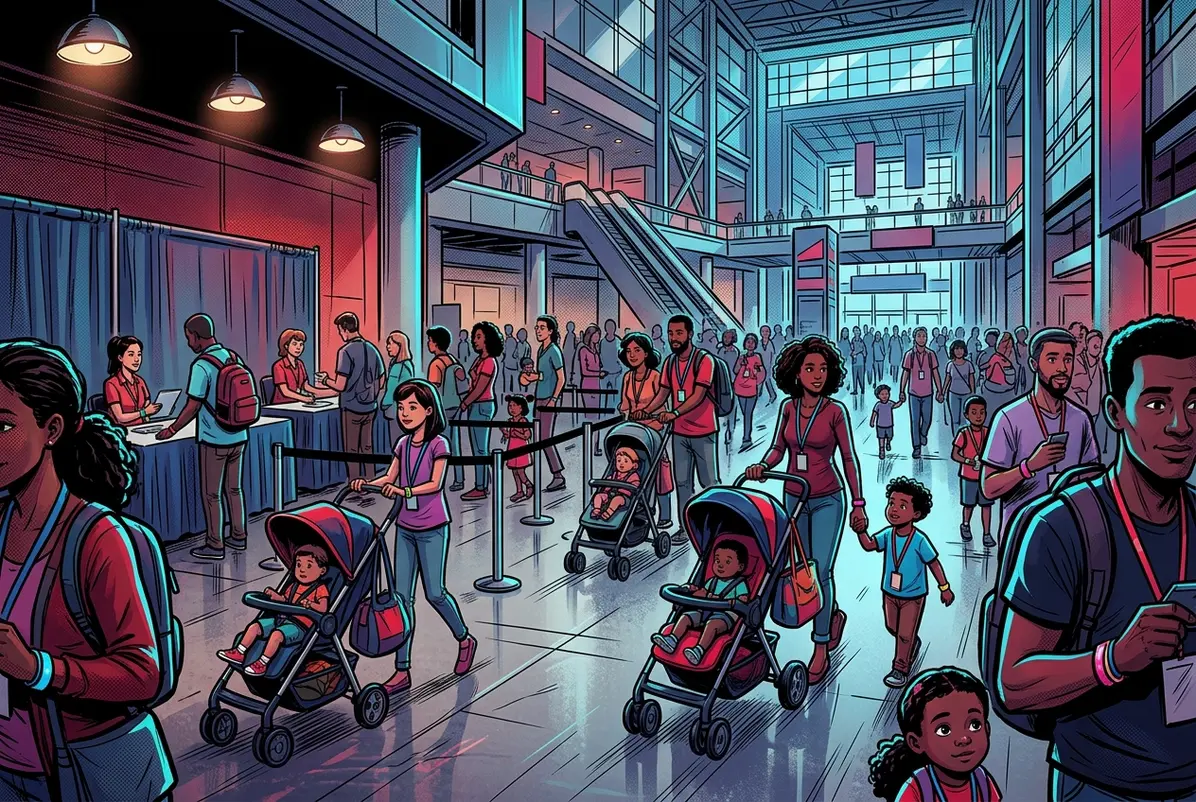
A child does not simply attend Comic-Con. Under the right conditions, that attendance can become part of their future eligibility. A parent’s badge helps bring the child into the room. The child’s badge becomes something worth saving. The birthday cutoff matters. The validation step matters. The family calendar matters. The convention becomes a thing a child grows into, not merely a thing they buy later.
This is the softer version of inheritance, and it is probably the truer one. It is not about aristocracy. It is about ritual. Comic-Con is one of the few pop-culture events large enough, old enough, and emotionally sticky enough for families to think of attendance across years rather than weekends. Parents do not just bring children to Comic-Con. They teach them how Comic-Con works.
That is what makes the policy so revealing. It turns fandom into continuity without needing to announce itself as such. The child badge is generous on the surface and structurally meaningful underneath. It is a kindness that also creates a path.
The Legend Tier and the Price of Calm
Then there is the Comic-Con Museum’s Legend membership, which makes the culture of admission even clearer. The Comic-Con Museum membership page lists the Legend membership at $1,900 and includes one four-day plus Preview Night badge to Comic-Con 2026, along with museum benefits such as unlimited admission, guest passes, a private docent tour, preview invitations, and name recognition inside the Museum.
This should not be framed like a shadowy back door. It is public, official, and tied to support for Comic-Con Museum. The page says what it includes. The transaction is not hidden. The more interesting point is cultural: in an ecosystem defined by uncertainty, certainty itself becomes a premium benefit.
That is why the Legend membership feels different from an ordinary museum membership. It is not only about access to a building or support for exhibitions, though it is those things too. It offers the one Comic-Con perk that cannot be easily replicated by enthusiasm, planning, or luck: calm.
The membership also matters because of what it can mean for the next cycle. Comic-Con’s complimentary pass policy says complimentary passes generally do not qualify recipients for Comic-Con 2027 Returning Registration unless they are received through Comic-Con Museum’s Legend Membership. Recipients whose codes are prefixed “LGND” are eligible to participate. So the Legend membership does not only secure a badge for a specific year. It can also place the recipient into the next Returning Registration conversation.
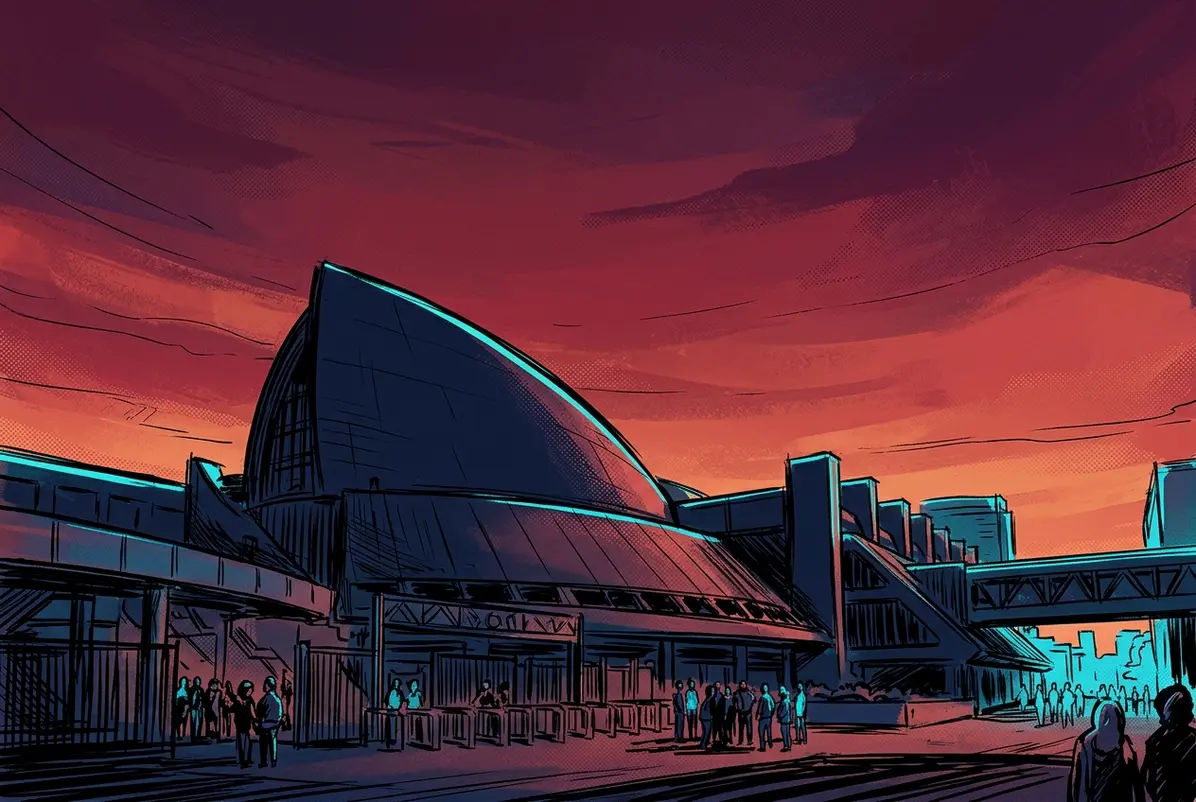
Again, the point is not scandal. The point is what the perk reveals. When admission becomes hard enough, people do not only pay for entry. They pay for predictability. They pay to stop refreshing, calculating, waiting, and hoping. The rarest commodity in the badge economy is not fandom. Comic-Con has more than enough of that. The rarest commodity is certainty.
That is not unique to Comic-Con. It is what happens wherever demand overwhelms capacity: concerts, theme parks, festivals, collector drops, limited screenings, restaurant reservations, sneaker releases. Once an event becomes bigger than its container, the access system becomes part of the event’s meaning. The queue becomes culture. The confirmation email becomes an artifact. The rules become lore.
What Comic-Con Built by Becoming Too Big to Be Simple
Comic-Con’s dilemma is real. If badges were easier to buy, the convention would need more space, more inventory, or fewer people wanting to go. None of those are simple. If returning attendees received no early opportunity, longtime fans would feel cut loose from a tradition they helped sustain. If returning attendees receive early opportunity, newcomers experience the system as a world already in motion. If family policies are generous, they create continuity. If premium memberships offer certainty, they expose how valuable certainty has become.
There is no clean answer here because Comic-Con is not solving a normal ticketing problem. It is stewarding a civic ritual with global demand. The City of San Diego has described Comic-Con as a major cultural and economic event, noting that Comic-Con 2024 generated an estimated regional impact of more than $160 million and more than $3 million in hotel and sales tax revenue for the city. That scale changes the meaning of a badge. It is not just a pass into a convention center. It is a claim on a weekend that thousands of other people want too.
The older Comic-Con still lives in memory as something looser, stranger, and easier to enter. KPBS has recalled stories from an earlier era when Glanzer would hand out stacks of passes while speaking at schools, back when the event still had to promote itself to get people to come. That anecdote now feels almost impossible. Not because Comic-Con lost the plot, but because the plot succeeded too well.
The distance between those stacks of passes and today’s badge culture is the distance between discovery and demand. Comic-Con did what every fan institution says it wants to do: it mattered, endured, expanded, and became part of people’s lives. Then came the harder problem. Once something becomes that beloved, access to it stops being ordinary.
That is why the badge matters. It carries more than admission. It carries planning, memory, eligibility, continuity, and the small rituals families build around a weekend they do not want to lose. Comic-Con did not merely become difficult to attend. It became important enough that attending required its own culture.
The badge was once proof that someone got in. Now it is part of the thing they are trying to get into. That is what happens when a beloved gathering becomes bigger than the building that holds it. Comic-Con succeeded so completely that admission became its own ritual.


'%3e%3cg id='Final-Copy-2_2_' transform='translate(1275.000000, 200.000000)'%3e%3cpath class='st0' d='M7.4,12.8h6.8l3.1-11.6H7.4C4.2,1.2,1.6,3.8,1.6,7S4.2,12.8,7.4,12.8z'/%3e%3c/g%3e%3c/g%3e%3c/g%3e%3cg id='final---dec.11-2020'%3e%3cg id='_x30_208-our-toggle' transform='translate(-1275.000000, -200.000000)'%3e%3cg id='Final-Copy-2' transform='translate(1275.000000, 200.000000)'%3e%3cpath class='st1' d='M22.6,0H7.4c-3.9,0-7,3.1-7,7s3.1,7,7,7h15.2c3.9,0,7-3.1,7-7S26.4,0,22.6,0z M1.6,7c0-3.2,2.6-5.8,5.8-5.8 h9.9l-3.1,11.6H7.4C4.2,12.8,1.6,10.2,1.6,7z'/%3e%3cpath id='x' class='st2' d='M24.6,4c0.2,0.2,0.2,0.6,0,0.8l0,0L22.5,7l2.2,2.2c0.2,0.2,0.2,0.6,0,0.8c-0.2,0.2-0.6,0.2-0.8,0 l0,0l-2.2-2.2L19.5,10c-0.2,0.2-0.6,0.2-0.8,0c-0.2-0.2-0.2-0.6,0-0.8l0,0L20.8,7l-2.2-2.2c-0.2-0.2-0.2-0.6,0-0.8 c0.2-0.2,0.6-0.2,0.8,0l0,0l2.2,2.2L23.8,4C24,3.8,24.4,3.8,24.6,4z'/%3e%3cpath id='y' class='st3' d='M12.7,4.1c0.2,0.2,0.3,0.6,0.1,0.8l0,0L8.6,9.8C8.5,9.9,8.4,10,8.3,10c-0.2,0.1-0.5,0.1-0.7-0.1l0,0 L5.4,7.7c-0.2-0.2-0.2-0.6,0-0.8c0.2-0.2,0.6-0.2,0.8,0l0,0L8,8.6l3.8-4.5C12,3.9,12.4,3.9,12.7,4.1z'/%3e%3c/g%3e%3c/g%3e%3c/g%3e%3c/g%3e%3c/svg%3e) Your Privacy Choices
Your Privacy Choices