


The Lobby Where the Illusion Still Held
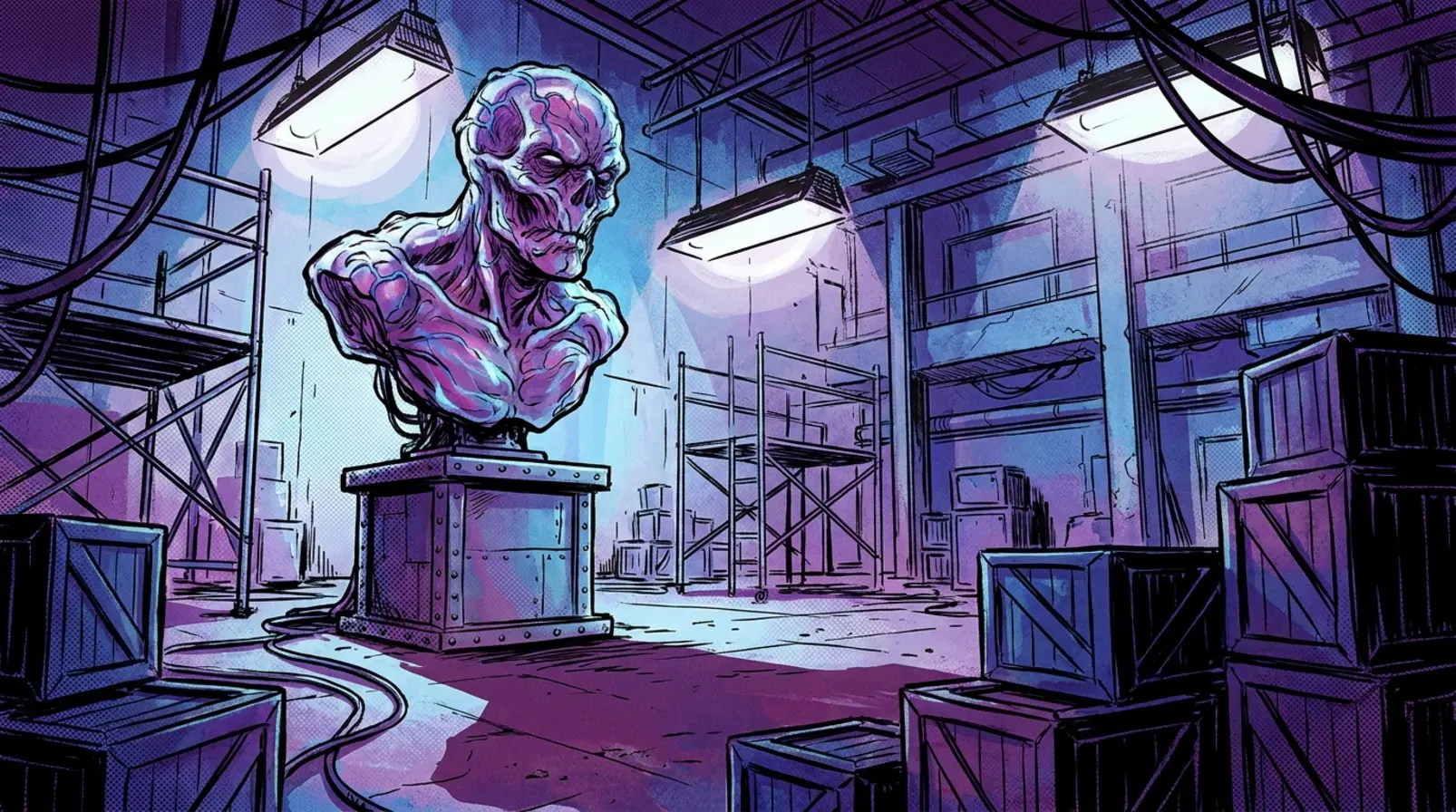
Pan across the Pantages Theater lobby in Universal Studios Florida’s Hollywood section and what you see is a museum of rubber and corn syrup. Shelved prosthetic heads. Framed stills from creature features. A severed arm that’s been making guests flinch since the Bush administration. On Monday, May 12, the doors close on the current version of the Universal Horror Make-Up Show, and the Pantages goes dark for a reimagining that Universal says will return later in 2026.
News first surfaced in December 2025 that the show would close after January 4, 2026, with a reimagined version set to debut later in the year “featuring classic and modern horror properties along with shockingly fun surprises.” Those plans were delayed, but the closure date is now officially confirmed as May 12.
A reimagined show is coming. Universal has promised as much. But what’s actually ending is something that can’t be reimagined, because it wasn’t really a show. It was an idea about what a theme park could be.
A Park That Was Supposed to Make Movies
Universal Studios Florida was originally designed to function as both a theme park and a working production studio, where movies, television series, commercials, and music videos would be produced onsite. When it opened on June 7, 1990, the pitch was explicit. Days before the park opened, Steven Spielberg discussed the concept on NBC’s Today: “This is an actual working studio. This isn’t just an amusement park, you know. First and foremost, this began with soundstages, post-production facilities, television facilities.”
The ambition was enormous. Lew Wasserman, CEO of MCA Inc., and Sid Sheinberg, its president, wanted to bring a theme park and working studio to Florida and have it become “Hollywood East.” Nickelodeon Studios was one of the early pillars behind the working studio concept, and popular kids’ shows like Double Dare were produced on location, with guests able to tour the facilities. Psycho IV: The Beginning was the first film produced at the Florida park while it was open to the public.
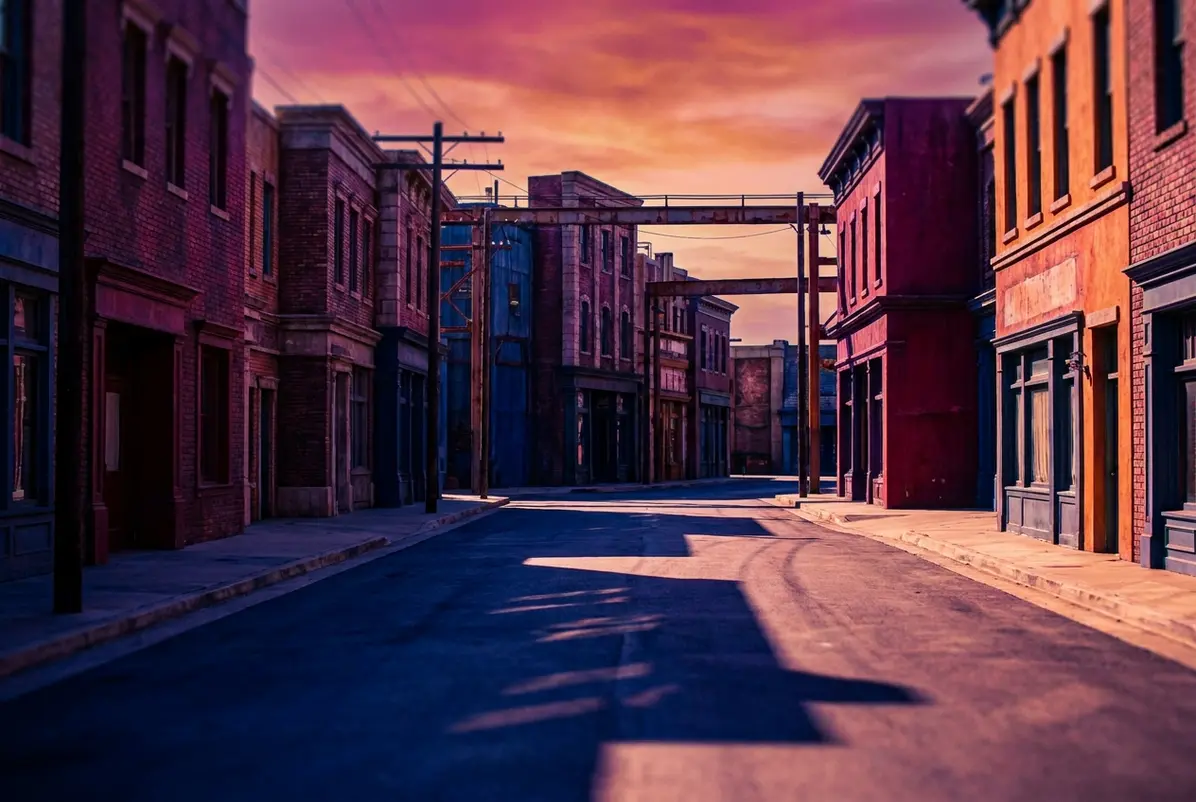
It reads like a beautiful contradiction in hindsight. The very thing that was supposed to distinguish Universal from Disney turned out to be logistically untenable. Disney heavily invested in the same working studio concept, but shortly after Universal Studios Florida opened, filming at the parks was becoming less attractive, with producers complaining of logistics, expenses, and limited resources. Universal ended the Production Studio Tour only five years into the park’s history in 1995, and Nickelodeon’s TV production moved to California in 2005.
To stay competitive, Universal broke ground on Islands of Adventure in 1995, recommitting itself primarily as a theme park, and the company shortened its marketing slogan from “See the Stars. Ride the Movies” to simply “Ride the Movies.”
The Show That Stayed Behind
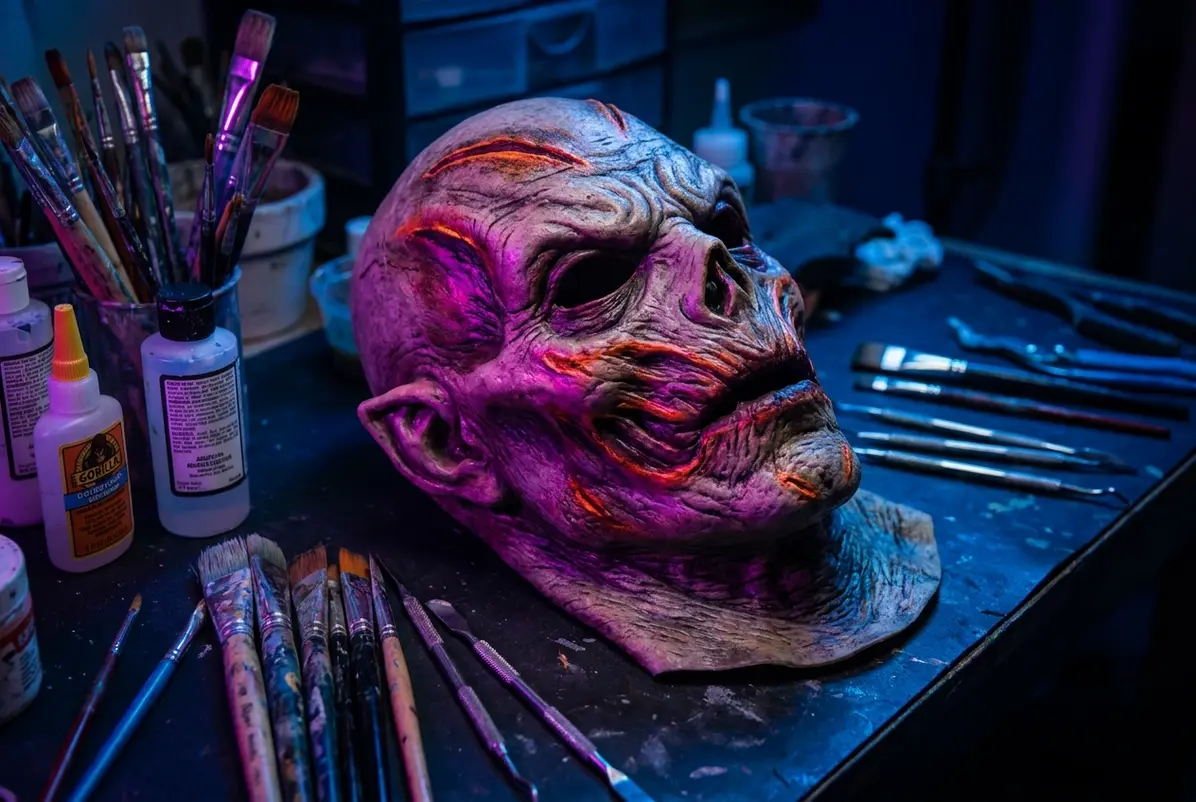
The Horror Make-Up Show opened in 1990 as part of the original Universal Studios Florida lineup, focusing on practical effects used in film production, demonstrating makeup techniques and prosthetics, combining scripted segments with live demonstrations and audience participation. In my view, what made it remarkable wasn’t the fake blood or the jump scares. It was the fact that it treated the audience as collaborators in the filmmaking process rather than passive consumers of intellectual property.
Since its debut, the show has been one of the few attractions preserving the park’s original focus on behind-the-scenes movie magic, using live actors, audience interaction, practical effects demonstrations, and improvisational comedy. It’s one of the few attractions in the park that doesn’t rely on screens, ride systems, or major technology upgrades to stay relevant.
What strikes me is how the Horror Make-Up Show managed to survive three and a half decades of IP-driven overhaul essentially by being too small to bother with. It was the show you wandered into because you needed air conditioning and came out of thinking differently about latex. There’s a case to be made that its persistence was less about Universal valuing the “working studio” ethos and more about the show occupying a theater that nobody urgently needed for a Harry Potter expansion.
What the Reimagining Means
Speculation among theme park observers suggests that the reimagined show could include newer properties like Terrifier or Blumhouse franchises, since the most recent clips featured in the current show are from the 2017 The Mummy. Universal has described the revamped show as one that will “showcase a mix of classic and modern horror properties along with shockingly fun surprises, all while staying true to the comedic and irreverent spirit that guests know and love.”
Online fan communities are already split on the question. Some longtime visitors see the show as a comfort stop, a low-key respite from the screen-heavy blockbusters dominating the rest of the park, and worry that updating it with modern IP will strip out the improvisational looseness that made it work. Others point out that the show’s references have calcified around a different era of filmmaking, and that first-time guests have no emotional connection to clips from a 2017 Mummy reboot that most people forgot existed.
There’s a long history of theme parks trying to update classic attractions, only to lose what made them work in the first place. The Horror Make-Up Show isn’t just about the content; it’s about the tone, the pacing, and the interaction between performers and guests. Fans are already wondering whether the new version will lean too heavily into intellectual properties or scripted moments.
My take is that both sides are right, and that’s what makes this genuinely interesting. The current show is a relic. It is also the last attraction at Universal Studios Florida that still operates on the premise that guests might want to understand how movies are made rather than simply inhabit movie worlds. Those are different philosophies, and the park has spent thirty-six years migrating from one to the other.
The Quiet Erosion of Process
The announcement is significant because the Horror Make-Up Show represents a living piece of Universal Studios Florida’s early history, and as many opening-era attractions have either closed or evolved into franchise-based experiences, this show remains a unique reminder of the park’s original concept. Consider the timeline. In addition to the Studio Tour, Universal filled its Orlando location with attractions that demystified the filmmaking process, including shows like Alfred Hitchcock: The Art of Making Movies and the Murder, She Wrote Mystery Theater. All of them are gone. The Hitchcock show closed in 2003. Murder, She Wrote shuttered in 1996. Nickelodeon Studios closed permanently on April 30, 2005, after much of its production had moved to Los Angeles.
To me, the Horror Make-Up Show was the last standing piece of a vision that said: the process is the spectacle. Not the franchise. Not the ride vehicle. The act of making something.
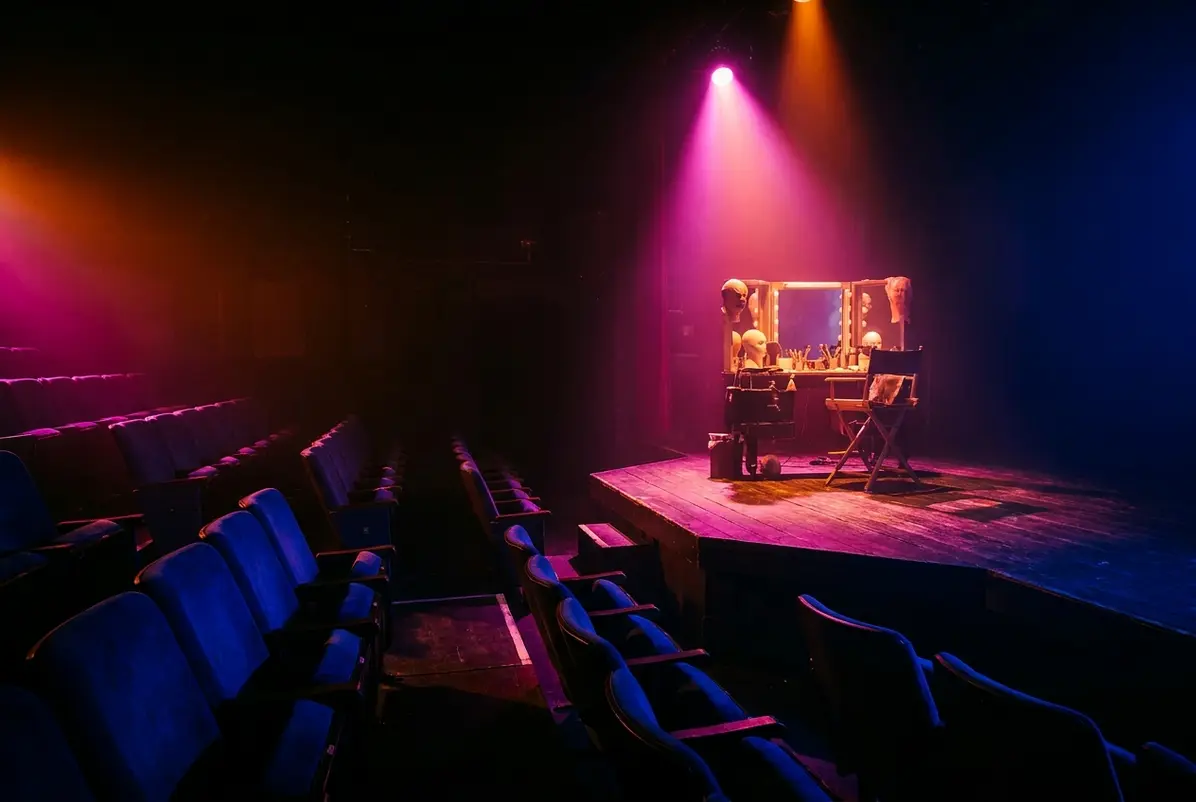
It feels like Universal knows this, at least in the abstract. The promise to keep the show’s “comedic and irreverent vibe” suggests awareness that the Pantages Theater holds something the rest of the park doesn’t. Whether they can thread that needle while also integrating Blumhouse IP and modern horror is a genuine open question. Reasonable people might disagree, but I think the answer depends entirely on whether the new show trusts its performers the way the old one did.
Last Call at the Pantages
Annual Passholders have been invited to snag limited reserved seating from May 4 through May 10, a short goodbye tour before the lights go out. By the time you read this, those final performances may already be underway. The lobby full of prosthetic heads and framed creature-feature stills will go dark. Something new will take its place.
I think what Universal is really closing isn’t a show. It’s a thesis statement. The idea that a theme park could double as a place where you learned how illusions worked, not just experienced them. That thesis failed commercially decades ago. The Horror Make-Up Show just kept performing it anyway, three times a day, in a 300-seat theater, to audiences who mostly wandered in to escape the Florida heat. There’s something moving about that. And something honest about finally letting it go.
'%3e%3cg id='Final-Copy-2_2_' transform='translate(1275.000000, 200.000000)'%3e%3cpath class='st0' d='M7.4,12.8h6.8l3.1-11.6H7.4C4.2,1.2,1.6,3.8,1.6,7S4.2,12.8,7.4,12.8z'/%3e%3c/g%3e%3c/g%3e%3c/g%3e%3cg id='final---dec.11-2020'%3e%3cg id='_x30_208-our-toggle' transform='translate(-1275.000000, -200.000000)'%3e%3cg id='Final-Copy-2' transform='translate(1275.000000, 200.000000)'%3e%3cpath class='st1' d='M22.6,0H7.4c-3.9,0-7,3.1-7,7s3.1,7,7,7h15.2c3.9,0,7-3.1,7-7S26.4,0,22.6,0z M1.6,7c0-3.2,2.6-5.8,5.8-5.8 h9.9l-3.1,11.6H7.4C4.2,12.8,1.6,10.2,1.6,7z'/%3e%3cpath id='x' class='st2' d='M24.6,4c0.2,0.2,0.2,0.6,0,0.8l0,0L22.5,7l2.2,2.2c0.2,0.2,0.2,0.6,0,0.8c-0.2,0.2-0.6,0.2-0.8,0 l0,0l-2.2-2.2L19.5,10c-0.2,0.2-0.6,0.2-0.8,0c-0.2-0.2-0.2-0.6,0-0.8l0,0L20.8,7l-2.2-2.2c-0.2-0.2-0.2-0.6,0-0.8 c0.2-0.2,0.6-0.2,0.8,0l0,0l2.2,2.2L23.8,4C24,3.8,24.4,3.8,24.6,4z'/%3e%3cpath id='y' class='st3' d='M12.7,4.1c0.2,0.2,0.3,0.6,0.1,0.8l0,0L8.6,9.8C8.5,9.9,8.4,10,8.3,10c-0.2,0.1-0.5,0.1-0.7-0.1l0,0 L5.4,7.7c-0.2-0.2-0.2-0.6,0-0.8c0.2-0.2,0.6-0.2,0.8,0l0,0L8,8.6l3.8-4.5C12,3.9,12.4,3.9,12.7,4.1z'/%3e%3c/g%3e%3c/g%3e%3c/g%3e%3c/g%3e%3c/svg%3e) Your Privacy Choices
Your Privacy Choices