


The Plastic Prison
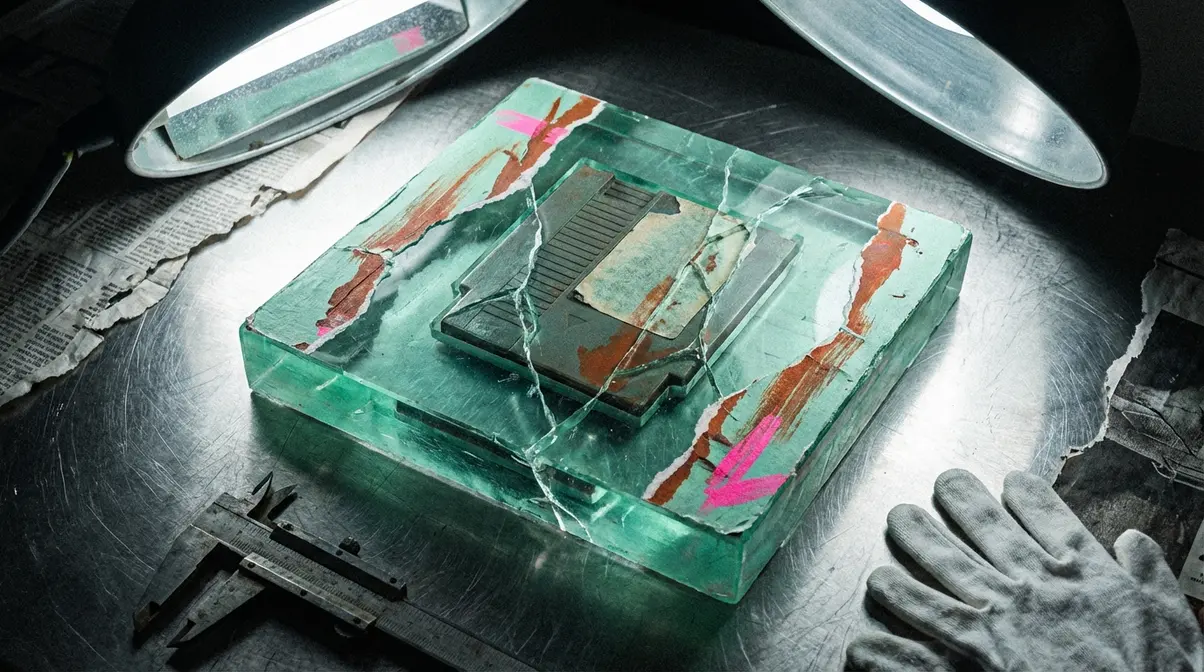
In July 2021, a sealed copy of Super Mario 64 sold at auction for $1.56 million. The cartridge—graded 9.8 A++ by a company called Wata Games—had never been opened. Never played. It sat entombed in acrylic, a pristine relic of a game you could buy online any Tuesday afternoon for thirty dollars if you just wanted to, you know, play it.
Two years later, similar copies were selling for a fraction of that price.
What happened in between wasn’t just a market correction. It was the moment video game collecting collided with modern financial speculation—and briefly turned nostalgia into an asset class.
The 6,500% Problem
Before 2017, the most expensive video game ever sold cost around $30,000: a sealed copy of Super Mario Bros. that appeared on eBay that July. Expensive, sure, but within the logic of collectors. Rare thing. Perfect condition. Iconic game.
Then Wata Games launched.
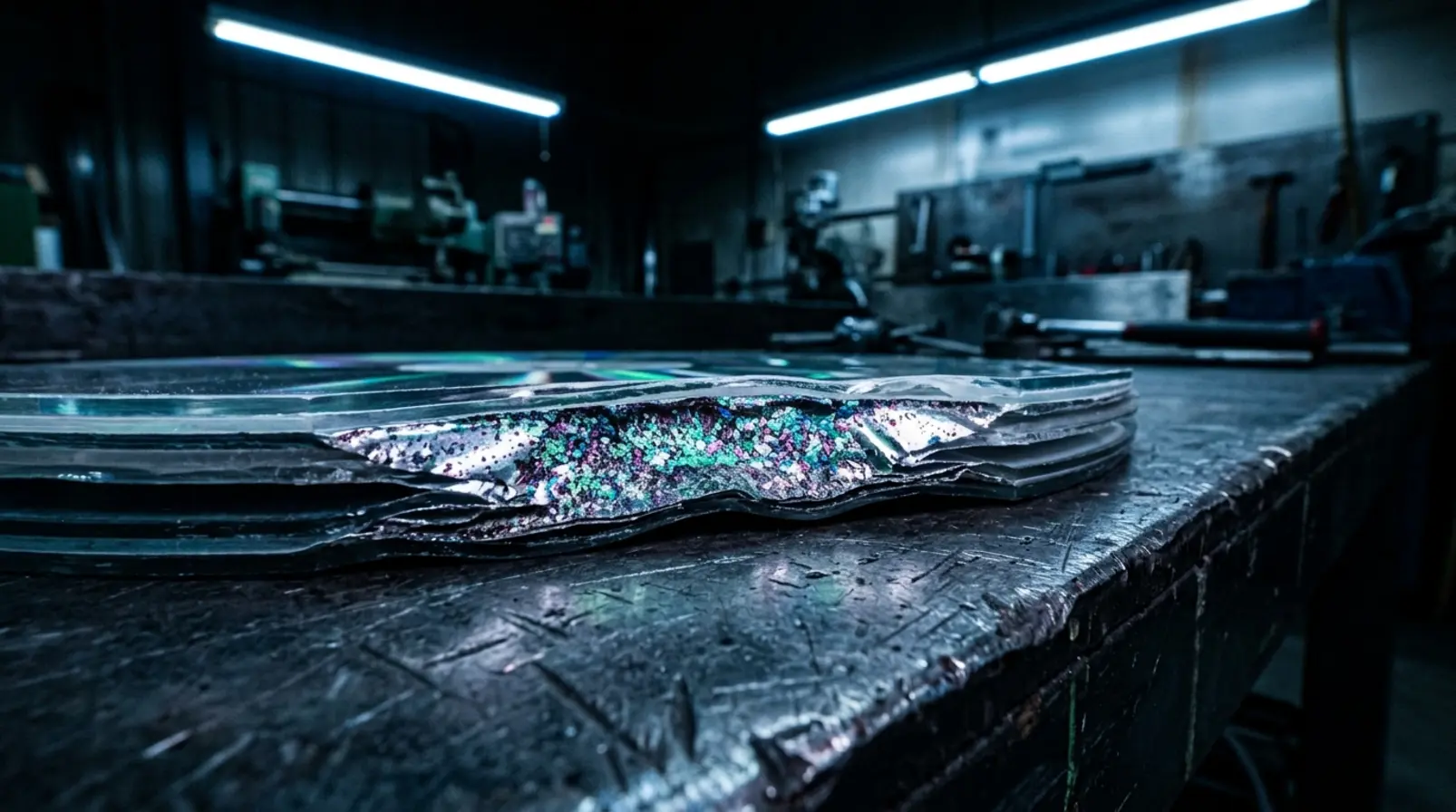
The company graded video games the way coin dealers grade quarters—assigning numerical scores, sealing them in acrylic slabs, and charging fees tied to the estimated value of the item. Higher-value games cost more to grade. A collectible worth thousands could cost hundreds to certify.
Around the same time, Heritage Auctions—the largest collectibles auction house in the United States—began prominently selling Wata-graded games. Prices began climbing fast.
That same Super Mario Bros. cartridge that once fetched $30,000 sold for over $100,000 in 2019. By July 2021, another sealed copy reached $870,000. A month later, one sold for $2 million.
In four years, the ceiling of the hobby had moved by orders of magnitude.
The Skepticism
Collectors noticed something strange about the boom.
While pristine sealed copies of early Nintendo games are legitimately rare, the underlying titles themselves were anything but. Nintendo shipped tens of millions of cartridges during the 1980s and 1990s. The rarity came from condition, not existence.
Online communities began asking uncomfortable questions. How many sealed copies actually existed? How many had already been graded but not sold? And why did every record-breaking sale seem to push the next one even higher?
The debate escalated in August 2021 when YouTuber and speedrunning personality Karl Jobst released a long investigative video arguing that the market had been artificially inflated. His reporting pointed to the close relationship between grading companies, auction houses, and prominent collectors who stood to benefit from rising prices.
None of it proved a coordinated scheme. But it suggested an ecosystem with powerful incentives to keep prices climbing.
The Pawn Stars Moment
Then there was the television appearance.
In a 2019 episode of Pawn Stars, a collector brought in a sealed copy of Super Mario Bros.. The show called in an expert to evaluate it: Wata Games president Deniz Kahn.
During the segment, Kahn estimated the cartridge could be worth more than $300,000. The valuation was startling at the time, coming less than a year after similar copies had sold for far less.
To critics, the moment looked less like an appraisal than a preview of where the market was about to go.
To supporters, it was simply a knowledgeable expert recognizing a rare collectible before everyone else did.
Either way, the clip circulated widely among collectors—and the prices kept climbing.
When Nostalgia Becomes Infrastructure
There has always been a philosophical divide in game collecting: are games meant to be preserved, or played?
Grading culture answers with a third option: neither.
A graded game exists in permanent suspension. Too valuable to open. Too encased to touch. It becomes less like a toy and more like a financial artifact—something to store, insure, and eventually sell.
Collectors argued about whether this changed the hobby or merely formalized what had already been happening. Comic books, coins, and sports cards all went through similar transformations.
But video games had always carried an extra layer of intimacy. These weren’t just collectibles; they were the objects people grew up with. The cartridges themselves still remembered.
Turning them into sealed investment vehicles felt, to some collectors, like locking childhood behind museum glass.
The Lawsuit
In May 2022, a class-action lawsuit was filed in California against Wata Games and Heritage Auctions. The complaint accused the companies of market manipulation, misleading promotion, and undisclosed conflicts of interest.
Both companies denied the allegations.
The lawsuit also highlighted another frustration among collectors: grading delays. Customers who paid for expedited services sometimes waited months for their games to be processed, even as high-profile auction pieces appeared quickly on the market.
The legal fight is still working its way through the system. But by the time it arrived, the market had already begun to change.
The Cooling
The pandemic collectibles boom that fueled record video game prices didn’t last.
By 2023, many of the headline sales from 2021 looked increasingly like the peak of a speculative surge. Prices for high-end graded games fell substantially from their highs, though rare copies still commanded impressive sums.
The speculative money that had briefly flooded retro gaming moved on to other corners of nostalgia: Pokémon cards, trading cards, new collectibles chasing the same logic.
Meanwhile, the games themselves remained easy to play. Emulation, FPGA hardware, and digital storefronts made it easier than ever to experience the classics without touching the collector market at all.
What’s Left
The person who paid $1.56 million for Super Mario 64 owns something unusual.
Not just a rare object, and not quite a game anymore.
What they bought was a symbol of a particular moment—when nostalgia, speculation, and the machinery of modern collectibles briefly aligned to turn a plastic cartridge into a million-dollar asset.
Whether that moment represents a new era of preservation or a cautionary tale about financializing culture depends on who you ask.
But the next time a childhood relic sells for seven figures, collectors will be watching more closely.


'%3e%3cg id='Final-Copy-2_2_' transform='translate(1275.000000, 200.000000)'%3e%3cpath class='st0' d='M7.4,12.8h6.8l3.1-11.6H7.4C4.2,1.2,1.6,3.8,1.6,7S4.2,12.8,7.4,12.8z'/%3e%3c/g%3e%3c/g%3e%3c/g%3e%3cg id='final---dec.11-2020'%3e%3cg id='_x30_208-our-toggle' transform='translate(-1275.000000, -200.000000)'%3e%3cg id='Final-Copy-2' transform='translate(1275.000000, 200.000000)'%3e%3cpath class='st1' d='M22.6,0H7.4c-3.9,0-7,3.1-7,7s3.1,7,7,7h15.2c3.9,0,7-3.1,7-7S26.4,0,22.6,0z M1.6,7c0-3.2,2.6-5.8,5.8-5.8 h9.9l-3.1,11.6H7.4C4.2,12.8,1.6,10.2,1.6,7z'/%3e%3cpath id='x' class='st2' d='M24.6,4c0.2,0.2,0.2,0.6,0,0.8l0,0L22.5,7l2.2,2.2c0.2,0.2,0.2,0.6,0,0.8c-0.2,0.2-0.6,0.2-0.8,0 l0,0l-2.2-2.2L19.5,10c-0.2,0.2-0.6,0.2-0.8,0c-0.2-0.2-0.2-0.6,0-0.8l0,0L20.8,7l-2.2-2.2c-0.2-0.2-0.2-0.6,0-0.8 c0.2-0.2,0.6-0.2,0.8,0l0,0l2.2,2.2L23.8,4C24,3.8,24.4,3.8,24.6,4z'/%3e%3cpath id='y' class='st3' d='M12.7,4.1c0.2,0.2,0.3,0.6,0.1,0.8l0,0L8.6,9.8C8.5,9.9,8.4,10,8.3,10c-0.2,0.1-0.5,0.1-0.7-0.1l0,0 L5.4,7.7c-0.2-0.2-0.2-0.6,0-0.8c0.2-0.2,0.6-0.2,0.8,0l0,0L8,8.6l3.8-4.5C12,3.9,12.4,3.9,12.7,4.1z'/%3e%3c/g%3e%3c/g%3e%3c/g%3e%3c/g%3e%3c/svg%3e) Your Privacy Choices
Your Privacy Choices